Silicone Roof Coating
Silicone is not automatically better than acrylic. It is better in specific conditions, and worse in others. Here is how to tell which one your roof actually needs.
What is a silicone roof coating and when should you use one?
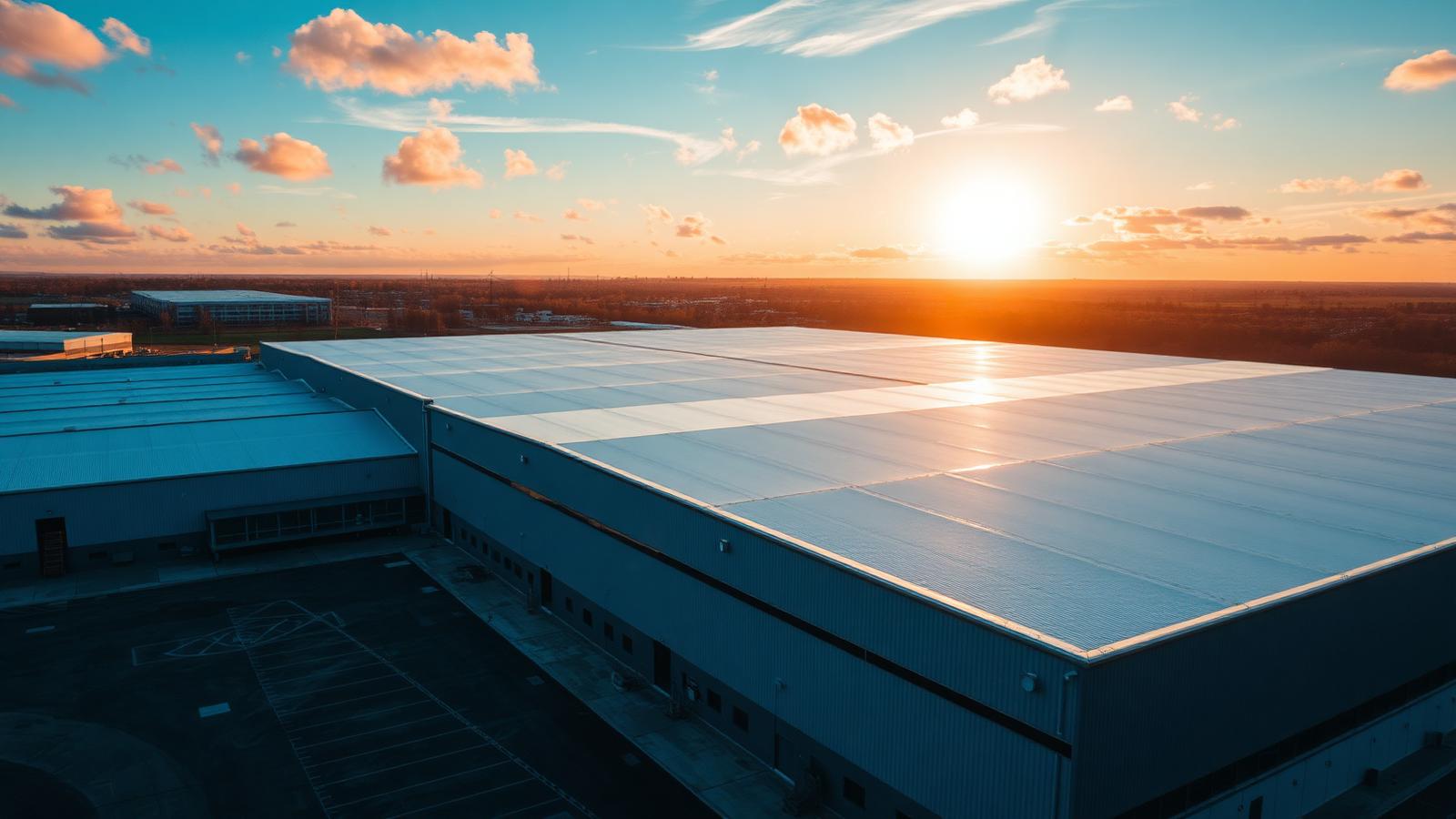
A silicone roof coating is a fluid-applied membrane that cures into a seamless, waterproof surface over an existing roof. Its defining advantage is ponding water resistance: silicone does not re-emulsify when water sits on it, which makes it the right choice for flat roofs with slow drainage where an acrylic coating would eventually break down.


Real project photos from Conklin-trained contractors in the White Roofing Systems network. See more completed projects
Signs your roof is a silicone candidate
- Standing water that remains more than 48 hours after rain
- Low-slope or dead-flat roof with undersized or blocked drains
- An existing coating that has softened, blistered, or washed thin in the ponding areas
- A single-ply membrane that is still sound but has failed seams
- Repeated leaks in the same low spots year after year
Why the wrong coating fails in ponding water
Acrylic coatings are water-based. They perform well on roofs that drain, and they are the more economical choice when drainage is good. But when water sits on acrylic for days at a time, the film can soften and thin out in exactly the spots that are already the most vulnerable.
The failure is predictable and it is always in the same place: the low areas. A coating chosen on price rather than drainage behavior will hold up everywhere except where you needed it most.
- Acrylic softens under long-term ponding, silicone does not
- Silicone holds its reflectivity but attracts more dirt over time
- Silicone must be recoated with silicone, so the first choice is a long-term one
- Neither coating fixes a wet deck, that requires replacement
How a silicone restoration is installed
The roof is cleaned and, on most substrates, primed. Seams, laps, penetrations, and any repaired areas are reinforced with fabric and base coat. Silicone is then applied at the specified thickness in a single or double pass depending on the system.
Because silicone is a high-solids product, it builds thickness quickly and cures with humidity rather than evaporation, which means it can be installed in conditions where acrylic would not cure properly.
- Handles ponding water without breaking down
- Cures in humid conditions and at lower temperatures than acrylic
- Seamless membrane over the existing roof, no tear-off
- Reflective surface reduces rooftop heat load
- Non-prorated warranty with a renewable recoat option
Request a Free Roof Inspection
Tell us your building address and roof type. We route your request to the nearest Conklin-trained commercial roofing contractor, usually within 24 hours.
Frequently Asked Questions
How long does a silicone roof coating last?
+
Silicone vs. acrylic roof coating, which is better?
+
How much does silicone roof coating cost per square foot?
+
Can silicone be applied over an existing coating?
+
Does silicone coating get slippery?
+
No-cost commercial roof inspection
Get a Straight Answer on Your Roof
Call 1-309-303-3128 or request a free inspection. You get photo documentation, a written proposal, and an honest recommendation, even when that recommendation is to wait.
Keep Reading on This Site
Industry Sources
- Cool Roof Rating Council(opens in a new tab)
Third-party reflectance and emittance ratings.
- Cool Roof Rating Council. Building Owner Resources(opens in a new tab)
How reflective roof surfaces lower cooling load.
- U.S. EPA. Using Cool Roofs to Reduce Heat Islands(opens in a new tab)
Measured surface-temperature and energy impacts.