Why Summer Heat Is the Most Expensive Season for Black Commercial Roofs
How Summer Heat Affects Commercial Roofs
Why does summer heat cost so much for commercial roofs? Summer heat hits your commercial roof hard, costing you more in energy bills, HVAC wear, and roof repairs. When your roof gets too hot, it transfers that heat into your building, making your cooling system work overtime and putting stress on the roof itself.What You See or Feel
You might notice your power bills going up, especially in summer. Your building's AC might struggle to keep certain areas cool, or you might hear more complaints from tenants or employees about the heat inside. Sometimes, you'll see new leaks pop up in late summer, or your roof just seems to be aging faster than it should.Why It Happens and What It Costs If Ignored
Dark roofs absorb a lot of sunlight, heating up to very high temperatures on a sunny day. This heat doesn't stay on the surface; it moves into the roof system and down into your building. It also heats up the air around your rooftop AC units, making them less efficient. Your roof essentially becomes a big battery, soaking up heat all day and slowly releasing it, even into the evening. This constant heating and cooling, called thermal cycling, causes your roof materials to expand and contract every day. Over time, this movement stresses the roof, especially at seams, flashing, around pipes, drains, and edges. These are the spots where leaks often start. Ignoring this stress means small issues turn into bigger ones, leading to costly repairs, water damage inside your building, and even early roof failure. Your HVAC system also pays a price, running longer and harder, which shortens its lifespan and drives up your electricity bills, especially with peak demand charges from utilities.The Solution: A Cooler, Protected Roof
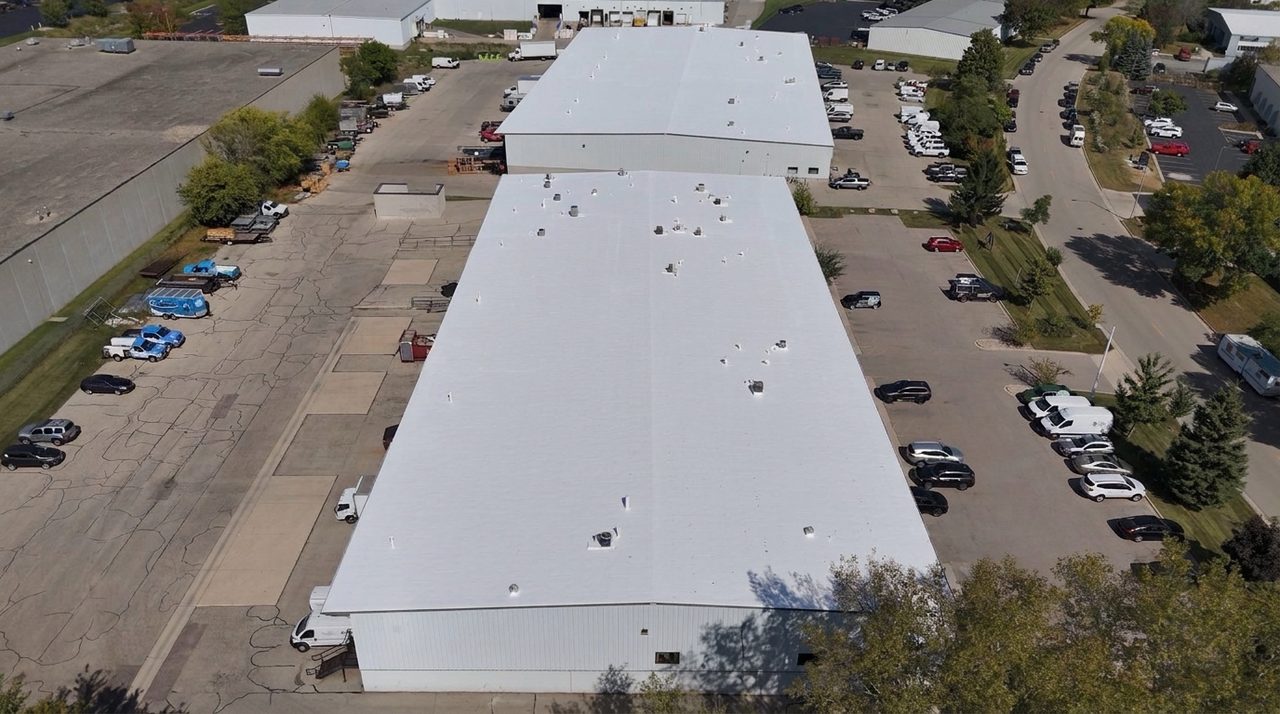
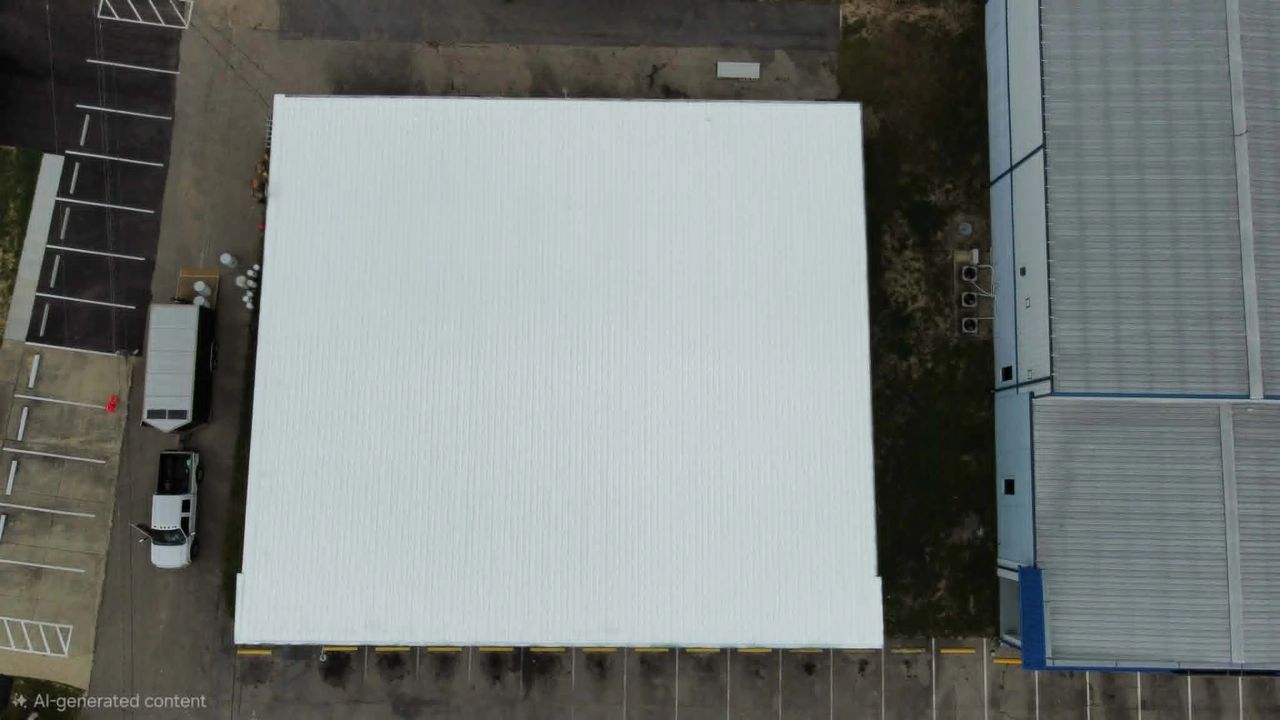
We address this problem by applying a reflective coating system directly over your existing commercial roof. This process is called commercial roof restoration. Here's how we do it: 1. **Inspection and Repair:** First, we do a thorough inspection of your roof. We look for any areas that are wet, damaged, or compromised. We often use moisture scanners to find hidden water under the surface. If we find wet insulation, we remove and replace it. If the roof deck is failing, we'll tell you the roof is beyond restoration and replacement is likely needed. 2. **Cleaning and Preparation:** We clean the entire roof surface to remove dirt, debris, and any loose materials. This makes sure the new coating sticks properly. 3. **Reinforcing Seams and Details:** We pay special attention to seams, flashing, and around penetrations like pipes and AC units. These are the areas most prone to movement and leaks. We reinforce them with fabric and special sealants to create a strong, waterproof barrier. 4. **Applying the Base Coat:** We apply a seamless base coat that adheres tightly to your existing roof. 5. **Applying the Reflective Top Coat:** Finally, we apply a bright white, highly reflective top coat. This Conklin acrylic system is designed to reflect sunlight. This significantly lowers the surface temperature of your roof, reducing the heat absorbed by your building. This process creates a seamless, durable, and reflective layer that protects your roof and reduces your building's energy use. It extends your roof's life without the cost and disruption of a full tear-off. Our contractors installing Conklin systems know how to apply these systems correctly, making sure the details that matter get done right.Frequently Asked Questions
Does a white roof really make a difference in cooling costs?
Yes, a reflective white roof can significantly lower your building's internal temperature and reduce your cooling costs. By reflecting most of the sun's energy, it prevents a lot of heat from entering your building, so your HVAC system doesn't have to work as hard.How long does a roof coating system last?
Service life depends on the roof's condition, the system used and how well it is maintained; ask the contractor to put the expected service life in writing. They can usually be recoated to extend their life even further, giving you a long-term solution.What if my roof is already leaking?
If your roof is leaking, we first need to identify the cause and repair any damage, including removing wet insulation. Our restoration process addresses existing leaks by sealing penetrations, seams, and damaged areas before applying the full coating system, creating a watertight surface. However, if there's widespread structural damage or saturation, a restoration may not be the right fit. We'll be honest with you about your options. Ready to protect your commercial roof from summer heat and lower your energy bills? Call us at (309) 303-3128 or visit our contact page to schedule a free, no-obligation roof inspection and estimate. Our contractors installing Conklin systems are ready to help.Keep Reading on This Site
Industry Sources
- National Roofing Contractors Association(opens in a new tab)
Commercial roofing standards and guidance.
- Cool Roof Rating Council. Building Owner Resources(opens in a new tab)
How reflective roof surfaces lower cooling load.
- U.S. EPA. Using Cool Roofs to Reduce Heat Islands(opens in a new tab)
Measured surface-temperature and energy impacts.
Frequently Asked Questions
How summer heat affects commercial roofs at the surface level?
On clear summer days, many dark commercial roof surfaces can reach extremely high temperatures. That surface heat doesn’t stay “up there.” It radiates, it conducts into the assembly, and it elevates the temperature around rooftop units.
Why black roofs get expensive in summer?
Black and dark membranes absorb more solar energy and hold more heat. The cost shows up in three places: the roof assembly, the HVAC system, and the electrical bill structure. Many owners focus on “kWh used,” but in summer, demand charges can be the silent multiplier.
Why does thermal stress is a roof killer: seams, details, and movement matter?
Commercial roof failures rarely start in the middle of a clean field sheet. They start where complexity lives: transitions, parapets, penetrations, skylights, curbs, drains, and seams. Those areas move, flex, and experience more localized temperature swings.
Why does moisture + heat: the combo that turns small issues into big ones matter?
Heat doesn’t just stress the membrane. It amplifies the consequences of trapped moisture. If a roof assembly contains wet insulation, summer heat can increase vapor pressure and drive moisture movement inside the system.