Pros and Cons of Foam Commercial Roofing Systems
Pros and Cons of Foam Commercial Roofing Systems
What are the pros and cons of foam commercial roofing systems? Foam roofing systems, also known as Spray Polyurethane Foam (SPF), offer good insulation and seamless protection for many commercial buildings. However, they need a protective topcoat and proper installation is critical for them to perform well.Symptom
You're looking at different options for your commercial roof. Maybe your old roof is failing, or you're building new and want something efficient. You keep hearing about "foam roofs" and want to know if they're a good fit for your building. You need to understand what this system offers and where its weaknesses lie before you commit.Problem
Choosing a roofing system without understanding its full picture can lead to unexpected costs or performance issues down the road. If you pick a system that isn't right for your building's needs or environment, you could end up with a roof that doesn't last, costs too much to maintain, or doesn't deliver the energy savings you expected. This can mean more headaches, more repairs, and higher utility bills for your business.Solution
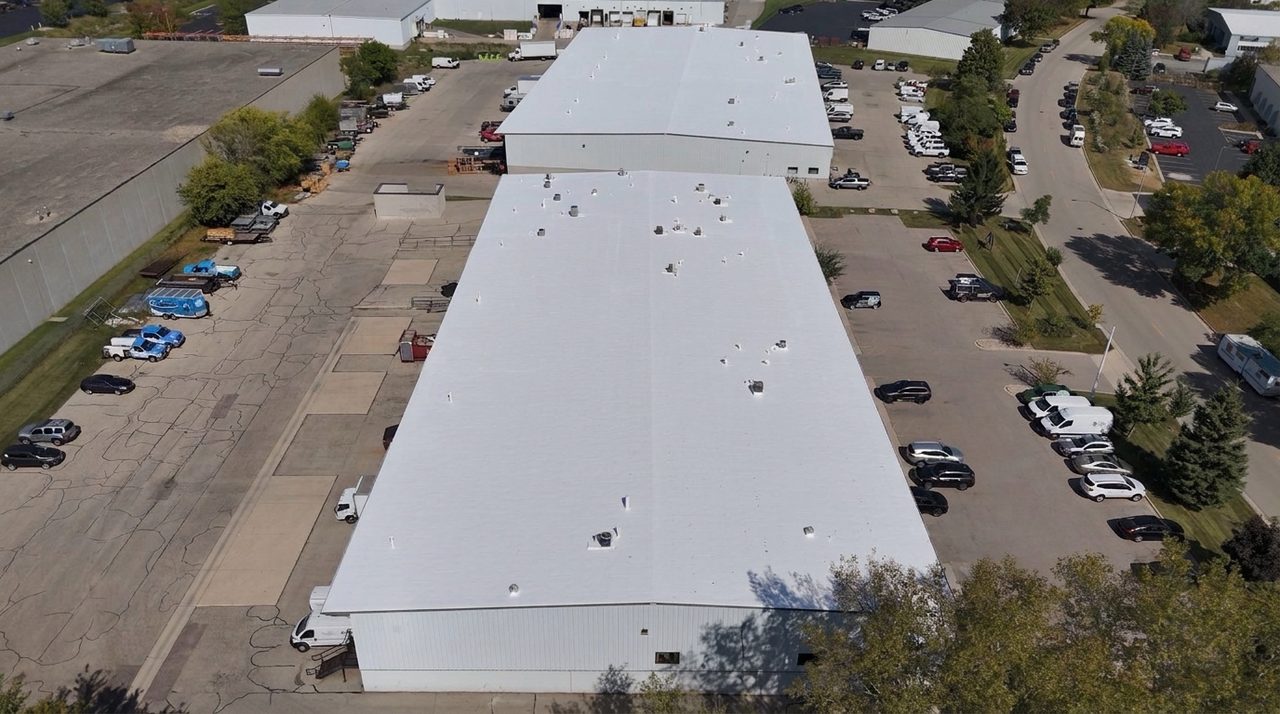
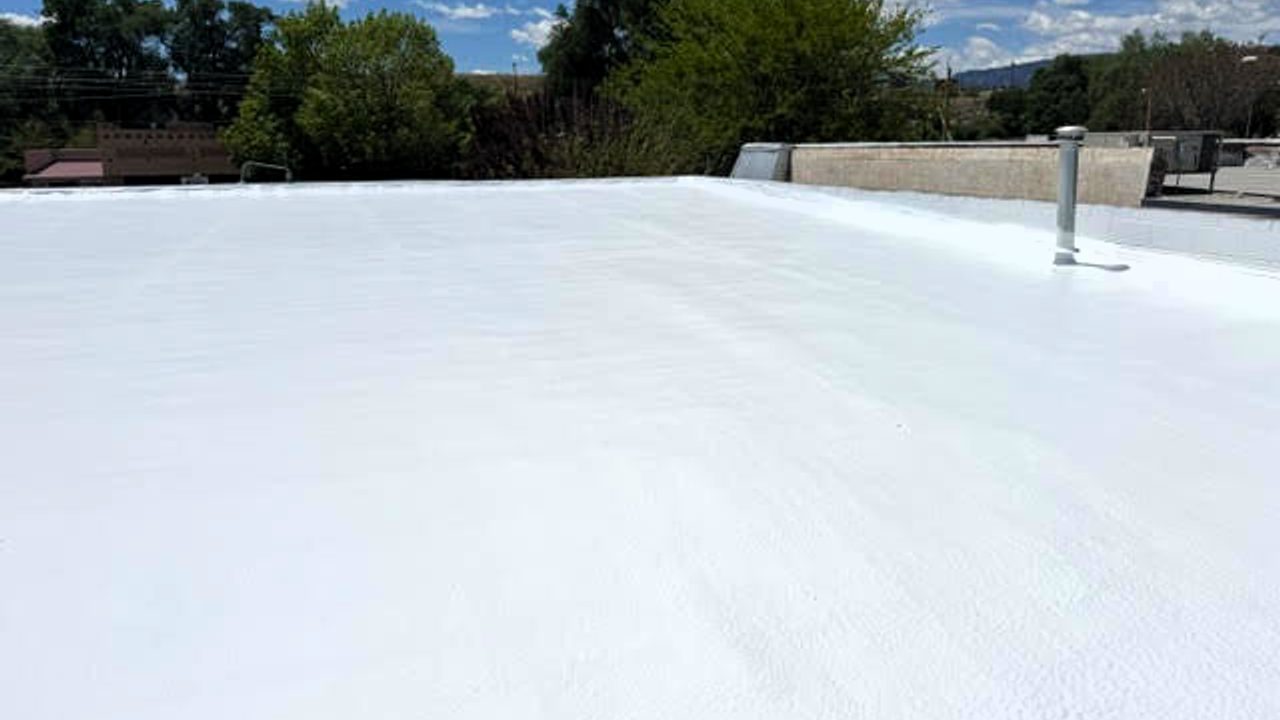
A foam roofing system is applied as a liquid that hardens into a seamless, insulated layer. This process usually involves two main parts: the foam layer and a protective coating on top. Here's how it generally works and what to consider: **How it's done:** 1. **Surface Prep:** The existing roof surface is cleaned thoroughly. Any loose debris, dirt, or contaminants are removed to ensure good adhesion of the foam. Repairs might be made to the deck or existing membrane if needed. 2. **Foam Application:** A specialized spray gun mixes and applies two liquid components that react to form the foam. This foam expands and hardens quickly, creating a monolithic (seamless) layer over the entire roof, including around penetrations like HVAC units and skylights. The thickness of the foam is carefully controlled to achieve the desired insulation value. 3. **Protective Coating:** Once the foam has cured, an acrylic coating is applied over it. This coating protects the foam from UV rays, impacts, and weather. Without this coating, the foam would degrade from sunlight exposure. Multiple coats are often applied to ensure full coverage and durability. 4. **Granule Broadcast (Optional but Recommended):** While the topcoat is still wet, granules can be broadcast over the surface. These granules add another layer of protection against impact and improve the roof's reflectivity, helping to lower energy costs even further. **Pros of Foam Roofing Systems:** * **Seamless & Watertight:** Because it's sprayed on, foam creates a fully seamless membrane. This means no seams to leak, which is a common failure point for many traditional roofing systems. * **Excellent Insulation:** The foam itself has high R-value (insulation value). This can lead to significant energy savings by keeping your building cooler in summer and warmer in winter. * **Lightweight:** SPF systems are relatively light, which means they usually don't put much extra stress on your building's structure. * **Can Go Over Existing Roofs:** In many cases, foam can be sprayed directly over an existing roof, saving on tear-off and disposal costs. This is a common practice with Conklin's foam roofing system. * **Durability:** With proper maintenance and recoating when needed, a foam roof can last for decades. The foam itself is very durable; it's the topcoat that needs attention over time. **Cons of Foam Roofing Systems:** * **UV Degradation:** Without the protective topcoat, the foam will break down from sunlight exposure. This makes the topcoat crucial for the system's longevity. * **Installation Expertise:** Applying foam correctly requires specialized equipment and contractors installing Conklin systems. Poor installation can lead to problems like improper density, poor adhesion, or uneven surfaces. * **Damage Susceptibility:** While durable, exposed foam can be damaged by foot traffic, sharp objects, or falling debris. The topcoat and granules help, but it's not indestructible. * **Weather Dependent Installation:** Foam cannot be installed in wet or windy conditions, and there are temperature limitations. This can sometimes lead to delays during installation. * **Aesthetics:** Some building owners find the textured appearance of a foam roof, even with a coating, less appealing than a smooth membrane. **Limits and Caveats:** Foam roofs are a great choice for many buildings, but they aren't for every situation. * **Deck Condition:** The existing roof deck must be structurally sound and free from excessive moisture. We can't spray foam over a crumbling deck or saturated insulation. * **Drainage:** While foam can be tapered to improve drainage, severe ponding water issues should be addressed before installation. * **Existing Roof Condition:** While often applied over existing roofs, if the existing roof is too far gone with widespread structural damage or saturated insulation, a full tear-off might be necessary before installing any new system, including foam. If you're considering a foam roof, it's essential to have a professional installing Conklin systems inspect your building to see if it's a good fit. They can assess your specific roof and recommend the best roofing solution.Frequently Asked Questions
Does a foam roof save energy?
Yes, foam roofing systems are excellent insulators. The foam layer itself has a high R-value, meaning it resists heat transfer very well. This helps keep your building cooler in the summer and warmer in the winter, which can significantly reduce your heating and cooling costs.How long does a foam roof last?
Service life depends on the roof's condition, the system used and how well it is maintained; ask the contractor to put the expected service life in writing. The foam itself is durable; the key to longevity is maintaining the reflective topcoat that shields the foam from UV rays and weather.Can foam roofing be applied over my existing roof?
Often, yes. One of the benefits of a foam roofing system is its ability to be sprayed directly over many existing commercial roof types, such as metal, modified bitumen, or single-ply membranes. This can save you money by avoiding the costly and disruptive process of tearing off the old roof. However, the existing roof must be dry and in good enough condition to serve as a proper substrate. Thinking about a foam roofing system for your commercial building? Our contractors installing Conklin systems are ready to provide a thorough inspection and discuss whether this system is the right fit for your needs. Call us today at (309) 303-3128 or visit our contact us page to schedule an on-site consultation.Keep Reading on This Site
Industry Sources
- National Roofing Contractors Association(opens in a new tab)
Commercial roofing standards and guidance.
- Cool Roof Rating Council. Building Owner Resources(opens in a new tab)
How reflective roof surfaces lower cooling load.
- U.S. EPA. Using Cool Roofs to Reduce Heat Islands(opens in a new tab)
Measured surface-temperature and energy impacts.
Frequently Asked Questions
What Is Foam Roofing?
A foam roofing system, also called spray polyurethane foam (SPF) roofing, is a multi-component roofing solution that’s directly sprayed onto your commercial building’s flat roof to create a strong, durable, and lightweight layer of protection.
Why does the benefits of foam roofing systems matter?
Affordability, durability, and easy installation are among the strongest benefits of foam roofing systems. Let’s explore what that looks like in practice.
What is affordable commercial roofing?
Foam roofing systems have a very reasonable cost per square foot, but that’s not where the magic lies. Consider this. Foam commercial roofing isn’t only quick to install, reducing the labor costs you incur, but it can also be applied over existing commercial roofing, slashing the cost associated with tear-offs.
What is easy installation?
Quick and easy installation is one of the most impressive benefits of foam roofing systems. You’ll get a durable new roof with extremely minimal disruptions to all your daily operations. With any luck, you won’t even notice that your team of roofers was hard at work!