Repairing or Replacing Your Commercial Roof in 2026: Tax Advantages and Energy Savings
Repairing Commercial Roofs
Why repair a commercial roof instead of replacing it? Repairing your commercial roof can extend its life, save money on energy bills, and protect your building's structure and contents. It's often a smart choice when the roof's core structure is still sound but has localized issues.What You See or Experience
You might notice leaks inside your building, water stains on ceilings, or higher energy bills than usual. Sometimes, you'll see visible damage on the roof itself – cracks, splits, bubbling, or areas where water collects and doesn't drain. Your HVAC system might be working harder to keep the building cool or warm, or tenants might complain about inconsistent temperatures.Why it Happens and What it Costs if Ignored
Commercial roofs take a beating from the weather – sun, rain, snow, and wind. Over time, these elements wear down the roof materials. Small cracks can form, seams can separate, or flashing around vents and skylights can come loose. When these small issues are ignored, water can get into the roof system. This isn't just about a few drips; water can saturate the insulation, which makes it useless for keeping heat in or out. Wet insulation means your energy bills go up because your HVAC system has to run constantly. Worse, water can rot the roof deck underneath, grow mold, and damage interior finishes or equipment. If water sits on the roof (ponding water), it adds weight and breaks down the roof material faster. Ignoring these problems makes them bigger and much more expensive to fix later, possibly leading to a full roof replacement instead of a simple repair.How White Roofing Systems Repairs Commercial Roofs
When we talk about repairing commercial roofs, we're focused on targeted fixes that make sense for your specific roof. We don't just patch a leak; we find out why it's leaking and address the root cause. This starts with a thorough inspection. We'll get up on your roof, walk every inch, and look at all the details – seams, flashing, drains, and any areas showing wear. Sometimes, we use tools like infrared cameras to find wet insulation that isn't visible from the surface. Once we understand the problem, we'll recommend a repair plan. This could involve: * **Cleaning the Roof:** Removing dirt, debris, and any standing water to get a clear look and prepare surfaces. * **Fixing Flashing and Penetrations:** These are common leak points. We’ll repair or replace damaged flashing around vents, pipes, skylights, and parapet walls to ensure a watertight seal. * **Repairing Seams and Splits:** For roofs with seams that have separated or materials that have split, we clean the areas, then apply special patches or coatings that bond to the existing material, creating a new, durable seal. * **Addressing Ponding Water:** If water isn't draining correctly, we might adjust the roof's slope in specific areas or clear clogged drains to prevent future ponding. * **Patching Damaged Areas:** For isolated damage like punctures or small holes, we prepare the area and apply a multi-layer patch system using compatible materials to create a strong, waterproof repair. * **Moisture Management:** If we find wet insulation, we'll talk to you about the best way to handle it. Sometimes, we can remove and replace small, localized wet spots. If a large amount of insulation is wet, a full commercial roof restoration might be a better long-term solution. We only recommend repairs when we genuinely believe they'll extend the life of your roof and protect your building effectively. If the roof is too far gone – widespread wet insulation, a failing deck, or too many leaks to count – we’ll be honest with you. At that point, a Conklin roof coating system or a full replacement might be the only viable options. Our goal is to give you the most cost-effective and reliable solution for your situation.Frequently Asked Questions
How do I know if my roof needs repair or a full replacement?
It depends on the extent of the damage. If leaks are localized, the roof deck is sound, and insulation is mostly dry, repairs often make sense. If there are widespread leaks, a soft or deteriorated deck, or a lot of wet insulation, a full restoration or replacement might be needed. A professional inspection by a contractor installing Conklin systems can tell you exactly what's going on.What kind of materials do you use for repairs?
We use high-quality, durable materials that are compatible with your existing roof system. For many repairs, we use Conklin products because they are designed to form strong, watertight bonds and last a long time. These can be acrylic coatings, sealants, and fabrics that integrate seamlessly with your existing roof structure, especially if we're preparing it for a future coating system like an EPDM roof coating or metal roof coating.How long does a commercial roof repair last?
The lifespan of a repair depends on the type of damage, the materials used, and how well the repair was done. A quality repair, properly applied, can last many years and significantly extend the overall life of your roof. Regular maintenance and inspections also help keep repairs holding strong.Get Your Roof Inspected Today
Don't let small roof problems turn into big, expensive ones. Our contractors installing Conklin systems can inspect your commercial roof, pinpoint any issues, and give you an honest recommendation for repair or restoration. Protect your investment and your budget. Call us at (309) 303-3128 or visit our contact page to schedule an inspection.Keep Reading on This Site
Industry Sources
- National Roofing Contractors Association(opens in a new tab)
Inspection and maintenance best practices.
- Cool Roof Rating Council. Building Owner Resources(opens in a new tab)
How reflective roof surfaces lower cooling load.
- U.S. EPA. Using Cool Roofs to Reduce Heat Islands(opens in a new tab)
Measured surface-temperature and energy impacts.
Frequently Asked Questions
Why Roof Repairs Matter More in 2026?
Commercial buildings are operating in a tighter financial environment. Energy prices remain volatile, labor is more expensive, and insurance carriers are scrutinizing deferred maintenance more closely than ever. Roof neglect is no longer invisible.
Why does energy efficiency and roof performance matter?
One of the most overlooked benefits of proper roof repair is improved energy efficiency. Even minor membrane separation or insulation compression can reduce thermal performance. When insulation becomes saturated, its R-value drops significantly, increasing HVAC runtime and operating costs. The U.S.
Why does reflectivity and hvac load reduction matter?
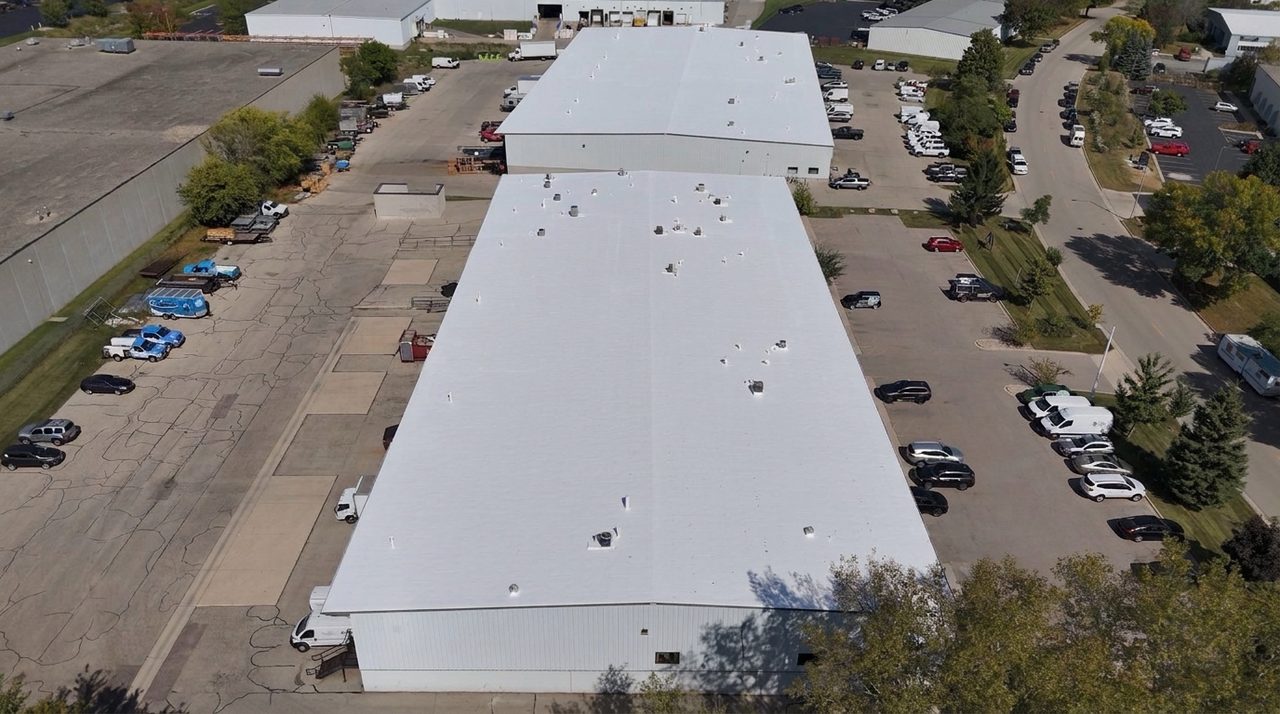
White Roofing Systems focuses on reflective roofing technologies that can reflect sunlight when restoration or coating is appropriate. While not every repair requires a full reflective system, integrating reflective components during repair work can reduce rooftop temperatures and ease HVAC load.
When Repair Is the Right Decision?
Repairing commercial roofs in 2026 makes sense when the underlying system remains structurally sound.