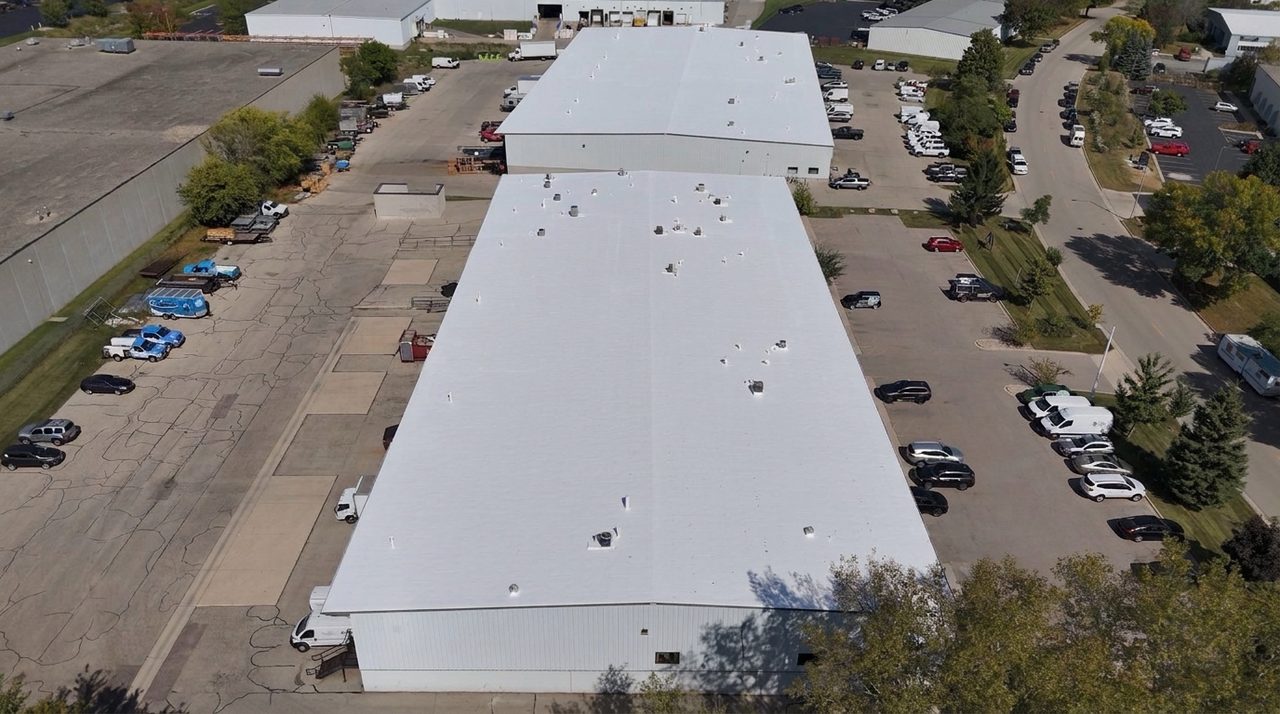
Top Three Most Common Commercial Roofing Types
Most Common Commercial Roofing Types We See
You asked: What are the most common commercial roofing types?
The most common commercial roofing types we work on are metal, modified bitumen, and single-ply membranes like TPO or EPDM. Each has its own way of protecting your building, and we often deal with them when they start showing wear and tear.
What You See or Experience
You might notice different things depending on your roof type. For metal roofs, you might see rust spots, loose panels, or water leaking in. With flat roofs like modified bitumen or single-ply, you might spot puddles that don't drain, cracks, blisters in the membrane, or seams pulling apart. Sometimes, it's just a higher utility bill because your roof isn't reflecting heat like it used to, or you find water stains on your ceiling after a rain.
Why It Happens and What It Costs If Ignored
Roofs break down for a few main reasons. The sun beats on them day after day, causing materials to shrink, expand, and crack. Rain, snow, and ice wear away surfaces or find tiny openings to get inside. Wind can lift and tear materials, especially around edges and penetrations. Foot traffic from maintenance crews, falling debris, and chemical exposure can also cause damage. When these issues are ignored, small leaks turn into bigger ones, damaging insulation, decking, and even the building’s structure. Wet insulation loses its R-value, meaning your HVAC system works harder, costing you more in energy bills. What starts as a small repair can quickly become a full roof replacement if you let the problems fester, costing you far more money and disrupting your business operations.
How We Actually Do the Work
Here at White Roofing Systems, we focus on restoring your existing roof with a Conklin acrylic coating system, rather than always tearing it off. We work on many common commercial roof types, including:
- Metal Roofs: For metal roofs, we start by cleaning the surface thoroughly, removing all rust, dirt, and loose paint. We then repair any holes or weak spots and seal all seams and fasteners with a special caulking. After that, we apply a rust-inhibiting primer. Finally, we spray or roll on multiple layers of a reflective acrylic coating that seals the entire roof, stopping leaks and reflecting the sun’s heat. This protects the metal from further rust and extends its life for many years. You can learn more about this process on our metal roof coating page.
- Modified Bitumen Roofs: These are common on flat or low-slope buildings. When we restore them, we first clean the roof to remove dirt and debris. We then address any areas where the membrane is delaminating, cracking, or showing signs of damage. Sometimes, we’ll reinforce critical areas like seams and flashing with fabric embedded in a base coat. Once prepped, we apply our Conklin acrylic coating systems directly over the existing modified bitumen. This creates a seamless, watertight layer that also reflects sunlight, helping to cool your building.
- Single-Ply Roofs (TPO, EPDM): Many commercial buildings have single-ply roofs. For these, the process also starts with a thorough cleaning. We inspect the seams, which are often the first place these roofs fail, and repair any loose or open areas. We might need to prime the surface depending on the existing membrane type. Then, we apply our acrylic coating system. This system bonds directly to the single-ply membrane, reinforcing it, sealing it against leaks, and providing a highly reflective top surface. This approach can add years to the life of an EPDM roof or TPO roof that might otherwise need to be replaced.
- Sprayed Polyurethane Foam (SPF) Roofs: While not as common as the others, we also restore SPF roofs. We repair any damage to the foam, ensure it's clean and dry, and then apply our protective acrylic topcoat. This coating shields the foam from UV rays and weather, which is crucial for its longevity. More details are on our foam roofing system page.
It's important to know that not every roof can be restored. If your roof deck is rotten, or if the insulation is completely saturated with water, a coating system won't fix those problems. In those cases, a full tear-off and replacement might be the only safe and responsible option. We always do a thorough inspection to determine if restoration is the right path for your specific roof.
Frequently Asked Questions
Can a coating really fix a leaking roof?
Yes, in many cases. Our coating systems create a seamless, monolithic membrane over your existing roof, effectively sealing leaks. If the leaks are due to minor cracks, aging materials, or failing seams, a coating can often stop them. However, if the roof deck or insulation underneath is severely compromised, those issues must be addressed first.
How long does a roof coating last?
A Conklin roof coating system, properly installed and maintained, can last for many years. Service life depends on the roof's condition, the system used and how well it is maintained; ask the contractor to put the expected service life in writing. Its lifespan depends on the specific system, application quality, and environmental factors.
Is a roof coating cheaper than a full roof replacement?
Generally, yes. A roof restoration with a coating system is almost always more cost-effective than a complete tear-off and replacement. It saves on labor for demolition, disposal fees, and new material costs. Plus, it causes less disruption to your business operations.
If you're dealing with a leaky or aging commercial roof, don't wait for the problem to get worse. Our contractors installing Conklin systems can inspect your roof and give you an honest assessment of its condition and whether a coating system is the right solution. Call us today at (309) 303-3128 or visit our contact page to schedule an inspection.
Keep Reading on This Site
Industry Sources
- National Roofing Contractors Association(opens in a new tab)
Commercial roofing standards and guidance.
- Cool Roof Rating Council. Building Owner Resources(opens in a new tab)
How reflective roof surfaces lower cooling load.
- U.S. EPA. Using Cool Roofs to Reduce Heat Islands(opens in a new tab)
Measured surface-temperature and energy impacts.
Frequently Asked Questions
Why does things to keep in mind before choosing a roofing material matter?
Before opting for a roofing material, we have to mention three critical things to be aware of. So, if you want your roof to last, consider these things: - Durability. In roofing, a material that can survive the effects of weather over a long period of time without suffering considerable degradation is called durable.
Why does top three most common commercial roofing types matter?
The top three most common commercial roofing types we will mention in this blog are: - Built-Up Roofing (BUR), - Single-Ply Roofing, - Metal Roofing.
What is 1\. built-up roofing (bur)?
Built-Up Roofing System is one of the oldest and most common commercial roofing types for buildings with low-slope or flat roofs.
What is 2\. single-ply roofing?
Single-Ply roofing is also one of the most favored commercial roofing options, as it is made from just one layer of material that can be divided into two divisions, thermoplastics and synthetic rubber. In this blog, we will discuss three types of single-ply roofing materials: TPO, PVC, and EPDM.