Winter Hazards for Commercial Roofs
Winter Hazards for Commercial Roofs
What kind of problems can winter weather cause for commercial roofs? Winter weather can damage commercial roofs through heavy snow, freeze-thaw cycles, and ice dams. These issues can lead to leaks, structural damage, and costly repairs if not addressed.Symptom
You might notice water stains inside your building, icicles forming along the roof edge, or standing water on the roof after a partial melt. Sometimes, you won't see anything until a major leak or even structural sag appears, often after a heavy snowfall or a period of freezing and thawing.Problem
When snow piles up, it adds a lot of weight to your roof. If it's more than your roof was built to handle, the roof structure can sag, crack, or even collapse. When temperatures go up and down, snow and ice on the roof melt during the day and refreeze at night. This freeze-thaw cycle pushes water into small cracks, expanding them as the water turns to ice. This can break down your roof materials and flashings. Melted snow can also get trapped by ice at the roof edges, forming ice dams. These dams stop water from draining off the roof, forcing it under shingles or into seams, leading to leaks inside your building. All this extra moisture and weight can also damage insulation, wood decks, and the structural integrity of your facility. Ignoring these issues can lead to expensive repairs, lost inventory, and business downtime.Solution
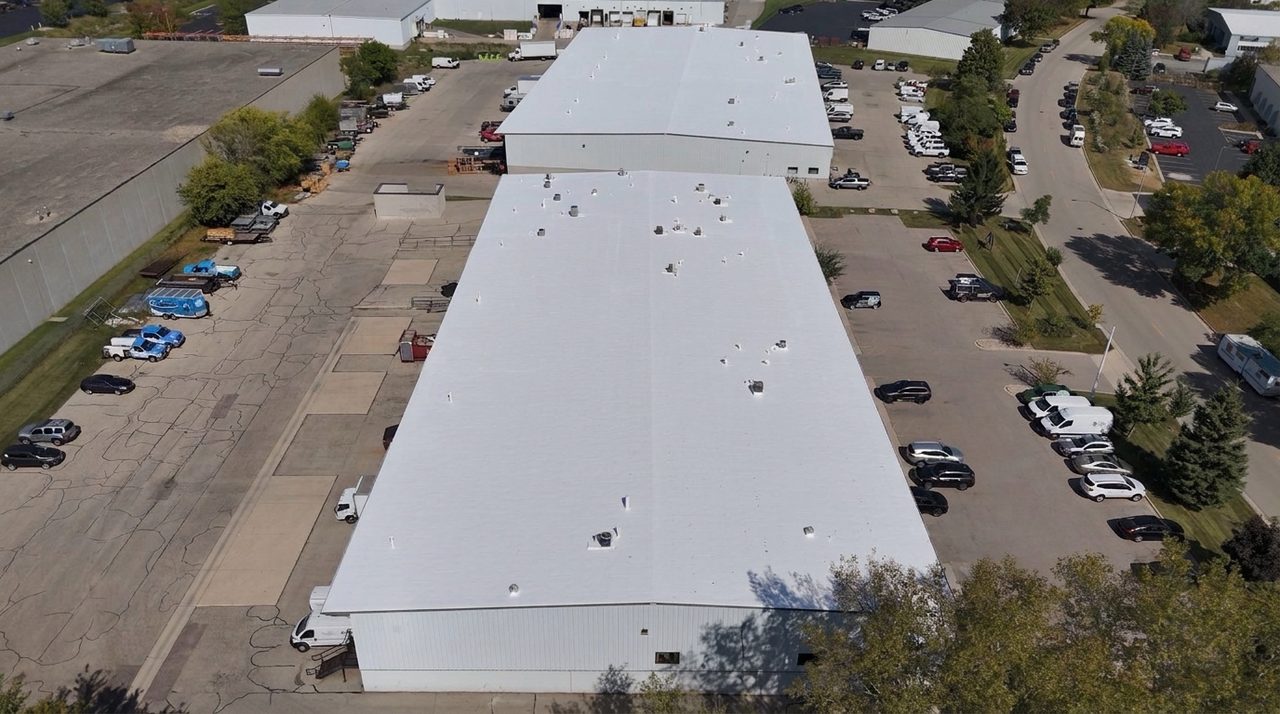
First, before winter hits, have a contractor installing Conklin systems inspect your roof. They'll look for weak spots, damaged membranes, clogged drains, and areas where water might pool. Here’s how we address winter issues with our roof coating systems: 1. **Inspection and Repair:** We start by thoroughly cleaning the roof. Then, we fix any existing damage like cracks, punctures, or loose seams. This includes replacing any insulation that's wet, as a coating won't stop leaks through saturated insulation. We also make sure the roof deck is sound. If the deck is failed or the roof is too far gone, restoration isn't an option, and you'd need a full tear-off and replacement. 2. **Reinforcing Vulnerable Areas:** Areas around drains, vents, and roof edges are often where leaks start, especially with ice dams. We reinforce these spots with extra layers of coating and fabric to create a strong, waterproof barrier. 3. **Coating Application:** We apply our Conklin acrylic coating system in multiple layers. This creates a seamless, flexible, and waterproof surface that can handle the stress of freeze-thaw cycles. The white surface also reflects sunlight, which can help melt snow more evenly and reduce ice buildup, though it won't prevent all ice formation in severe conditions. 4. **Improved Drainage:** We ensure all drains and scuppers are clear and functioning correctly to prevent water from backing up and forming ice. While a coating helps shed water, good drainage is key to preventing ponding, which can lead to leaks and ice formation. 5. **Ongoing Maintenance:** After the coating is applied, regular inspections, especially before and after winter, help catch any small issues before they become big problems. We check for debris, clear drains, and address any new damage quickly. This approach creates a tough, continuous membrane that protects your roof from winter’s worst, reducing the risk of leaks and extending your roof's life. It’s important to remember that roof coatings are for restoration, not a fix-all for a structurally unsound or completely failed roof.Frequently Asked Questions
Can a roof coating stop ice dams from forming?
A roof coating, especially a white one, can help by reflecting sunlight and promoting more even snow melt. This can reduce the conditions that lead to ice dams. However, a coating alone can't stop all ice dam formation, especially in very cold climates or where insulation issues are present. Proper attic ventilation and insulation are also critical to prevent heat loss from inside the building from melting snow and contributing to ice dams.Does snow need to be removed from a commercial roof?
It depends on the amount of snow and your roof's structural capacity. If snow accumulation is very heavy and exceeds the roof's design load, removal might be necessary to prevent structural damage. Always have a professional commercial roofing contractor assess the situation, as improper snow removal can damage the roof membrane.How can I prepare my roof for winter?
The best way is to have a professional inspection before winter starts. A contractor installing Conklin systems can identify and repair any existing damage, clear drains, and ensure your roof is sealed and ready for cold temperatures, heavy snow, and ice. This proactive step can save you from costly surprises once winter hits. Don't let winter weather catch your commercial roof unprepared. Call us at (309) 303-3128 for a free, no-obligation roof inspection. Our contractors installing Conklin systems are ready to assess your roof's condition and recommend the right solutions to protect your investment. You can also visit our contact page to get in touch.Keep Reading on This Site
Industry Sources
- National Roofing Contractors Association(opens in a new tab)
Commercial roofing standards and guidance.
- Cool Roof Rating Council. Building Owner Resources(opens in a new tab)
How reflective roof surfaces lower cooling load.
- U.S. EPA. Using Cool Roofs to Reduce Heat Islands(opens in a new tab)
Measured surface-temperature and energy impacts.
Frequently Asked Questions
Why does caring for your commercial roof in the winter matter?
One element that can have a negative impact on a roof assemblies is precipitation in the form of rain and snow. When precipitation occurs as the temperature is falling, the result is ice or snow. Without proper maintenance to your commercial roof, can create havoc to your roof assembly.
Why does commercial roof inspections in winter matter?
Doing roof inspections before winter is the best way to prevent some of your roof issues! If your roof isn’t properly cared for, the roof problems caused by winter conditions can lead to everything from interior leaks to roof material damage to structural collapse.
Why does hiring a commercial roofer for your roof inspections matter?
Here at White Roofing Systems, our team of trained Conklin contractors can help you with your roof maintenance in the winter time. By doing a thorough inspection of your commercial roof before winter sets in to be sure it is in the best condition.