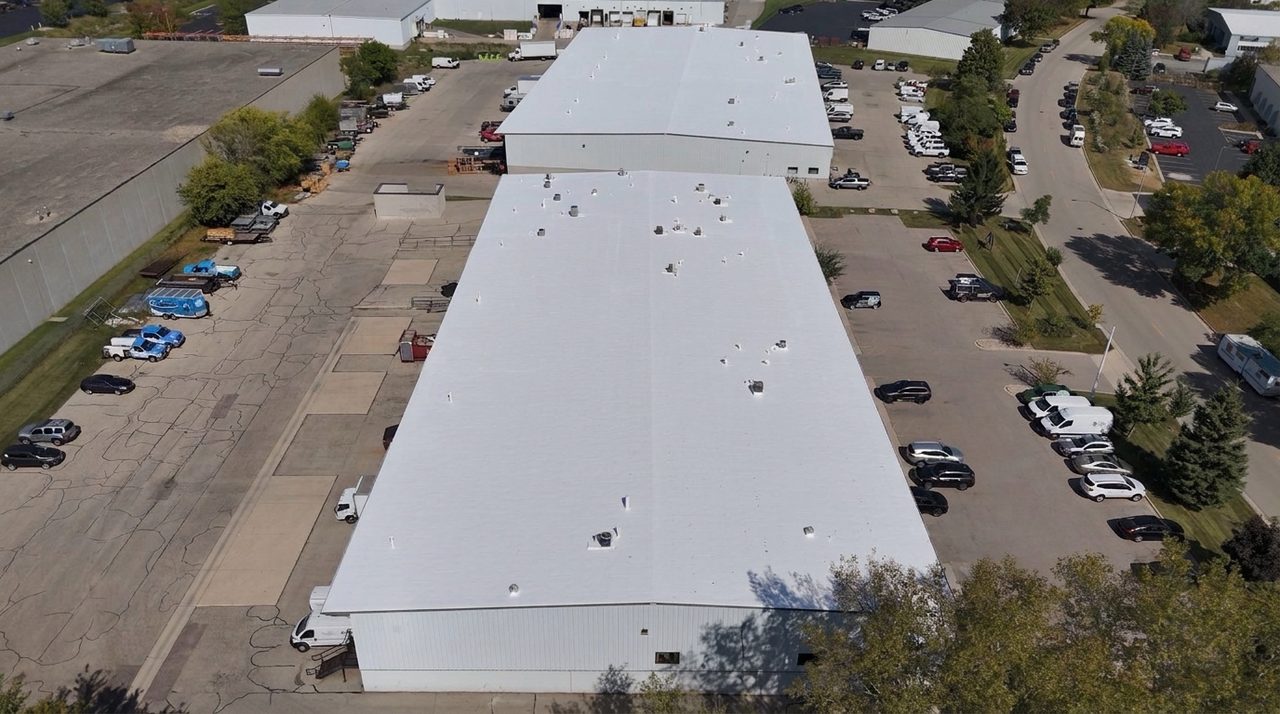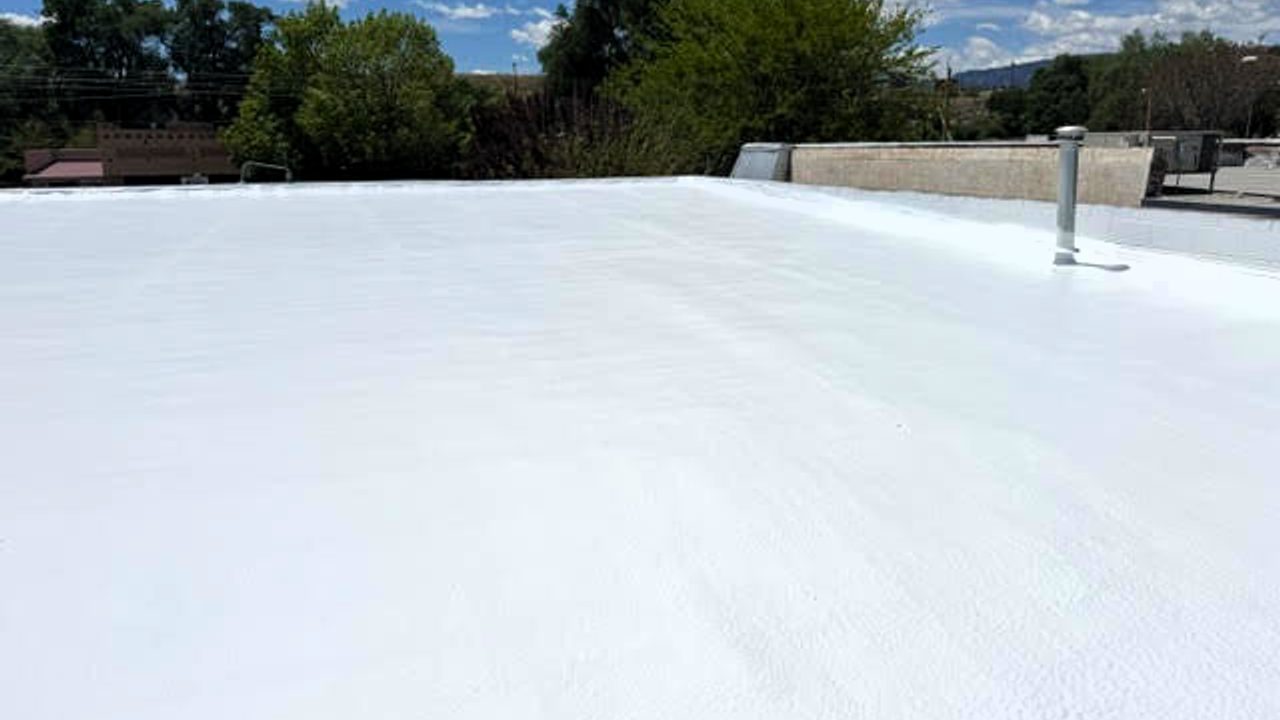
Benefits of Spray Polyurethane Foam (SPF) roof systems
Benefits of Spray Polyurethane Foam (SPF) Roof Systems
What are the benefits of spray polyurethane foam (SPF) roof systems? SPF roof systems offer many benefits, including excellent insulation, a seamless waterproof barrier, and lightweight durability. They can also help lower your building's energy bills and extend the life of your roof.You’ve heard about spray foam roofing and are wondering if it’s a good fit for your building. Maybe you’re seeing high energy bills, leaks, or your existing roof is just getting old and showing its age. You’re looking for a lasting solution that saves money and protects your building.
Old roofs cost you money in a few ways. They can leak, causing damage inside your building to inventory, equipment, or even the building’s structure. They can also be poor insulators, letting heat escape in winter and seep in during summer. This makes your HVAC system work harder, driving up energy costs. If you ignore these issues, small leaks become big ones, and wasted energy continues to eat into your budget. Eventually, you’ll face a full tear-off and replacement, which is expensive and disruptive.
A Conklin spray polyurethane foam (SPF) roof system fixes these problems by providing a seamless, insulated, and waterproof layer right over your existing roof. Here's how we install it:
- Inspection and Preparation: First, we inspect your current roof. We clean the surface thoroughly, removing dirt, debris, and any loose materials. We repair any significant damage or active leaks to make sure the surface is ready for the foam. Sometimes, if the existing roof is too far gone or has too much wet insulation, we might need to remove some sections or even the whole thing.
- Foam Application: We use specialized equipment to spray the liquid polyurethane foam directly onto your roof. This foam expands almost immediately, creating a seamless, closed-cell insulation layer. We apply it to the right thickness to get the insulation value your building needs. The foam sticks to almost any surface, including metal, concrete, wood, and even old built-up roofs.
- Coating Application: Once the foam has cured, which happens very quickly, we apply one or two layers of a white, reflective Conklin acrylic coating. This coating protects the foam from UV rays, harsh weather, and foot traffic. It also gives the roof its bright white finish.
- Detailing: We pay close attention to details like parapet walls, skylights, vents, and other penetrations, ensuring a watertight seal around every feature. The seamless nature of SPF means there are no seams for water to get through.
Once installed, your new SPF roof offers continuous insulation, stopping thermal bridges where heat usually escapes. The white topcoat reflects sunlight, keeping your building cooler in the summer. This reduces the load on your heating and cooling systems, saving you money on energy bills. Plus, it’s a tough, durable surface that can last for decades with proper maintenance. While SPF is great for many roofs, it’s not suitable for roofs with extensive structural damage or those that are constantly under standing water without proper drainage. In those cases, other solutions might be better.
An SPF system can also be renewed. Instead of replacing the entire roof after its warranty period, we can often just clean the surface and apply a new topcoat, extending its life for many more years at a fraction of the cost of replacement.
Frequently Asked Questions
Can SPF roof systems really lower my energy bills?
Yes, absolutely. The foam itself is a powerful insulator, reducing heat transfer through the roof. When topped with a reflective white Conklin coating, it also reflects a lot of the sun’s energy away from your building. This means your HVAC system doesn't have to work as hard, leading to noticeable savings on your heating and cooling costs.
How long do SPF roof systems last?
A properly installed and maintained Conklin SPF roof system can last for many decades. The foam itself is very durable. The key to its longevity is the protective top coating. Service life depends on the roof's condition, the system used and how well it is maintained; ask the contractor to put the expected service life in writing. This makes it a very sustainable roofing choice.
Is an SPF roof system heavy?
No, SPF roof systems are very lightweight. They add very little load to your building's structure compared to traditional roofing materials. This can be a big advantage, especially for older buildings or when you want to avoid adding stress to the existing roof deck.
If you're dealing with an aging roof, leaks, or high energy costs, it's time to get a professional opinion. Our contractors installing Conklin systems can inspect your roof and let you know if a Conklin SPF system is the right choice for your building. Call us at (309) 303-3128 or visit our contact page to schedule an on-site evaluation.
Keep Reading on This Site
Industry Sources
- Spray Polyurethane Foam Alliance(opens in a new tab)
SPF roofing application and maintenance guidance.
- Cool Roof Rating Council. Building Owner Resources(opens in a new tab)
How reflective roof surfaces lower cooling load.
- U.S. EPA. Using Cool Roofs to Reduce Heat Islands(opens in a new tab)
Measured surface-temperature and energy impacts.
Frequently Asked Questions
What is spray foam roofing systems?
It is applied by a professional contractor as a liquid using plural-component spray equipment and expands 30 times its original liquid volume to form a hard, closed-cell monolithic roof surface.
Why does benefits of spray polyurethane foam (spf) roof systems matter for commercial buildings?
The fact is that Spray Polyurethane Foam (SPF) has been used as a roofing and insulation material for over 40 years. During the subsequent years, foam roofing systems have proven themselves to be durable, affordable, and good for the environment.
What should building owners know about benefits of spray polyurethane foam (spf) roof systems?
It is applied by a professional contractor as a liquid using plural-component spray equipment and expands 30 times its original liquid volume to form a hard, closed-cell monolithic roof surface.
How does benefits of spray polyurethane foam (spf) roof systems affect roof performance?
Cooling savings depend on the building, its insulation and the local climate, so no single percentage fits every roof.