Longevity, Flexibility, and Four More Benefits of Foam Roofing for Your Commercial Building
Benefits of Foam Roofing for Your Commercial Building
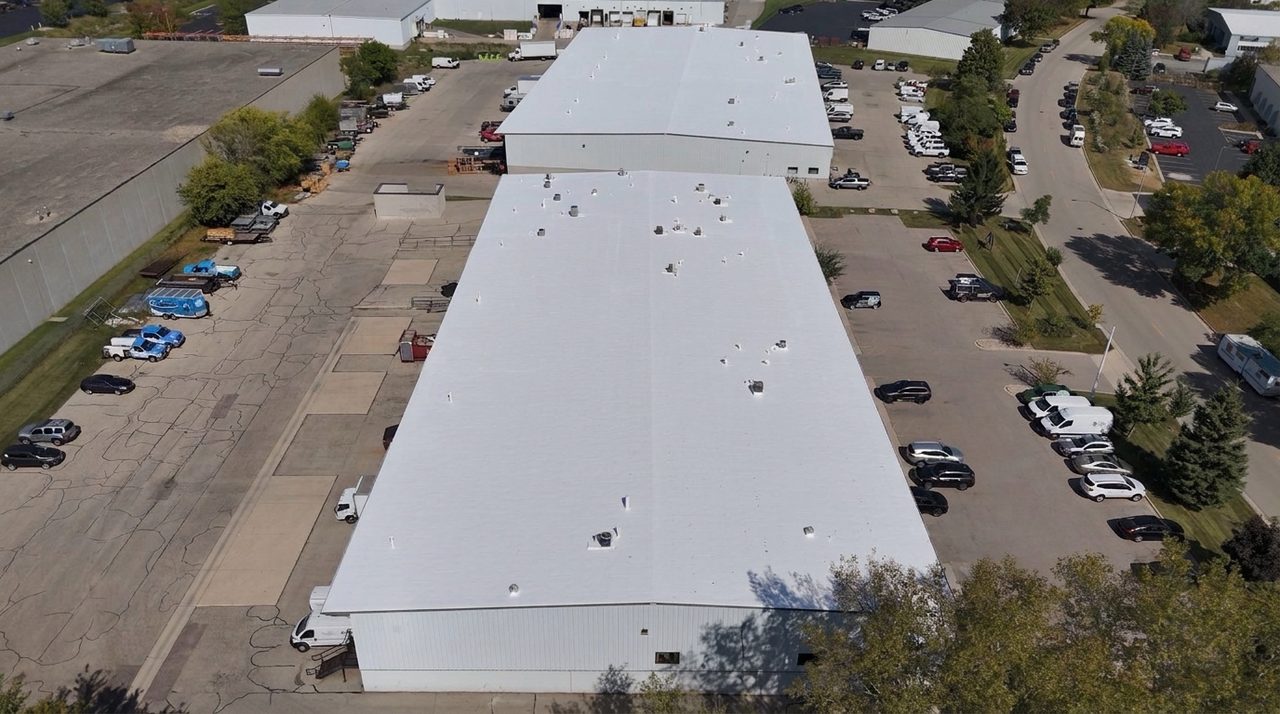
What are the benefits of foam roofing for your commercial building? Foam roofing, also known as Spray Polyurethane Foam (SPF), offers several key benefits. It creates a seamless, insulating layer on your roof, which can reduce energy costs, resist leaks, and provide long-term protection against the elements.When you're dealing with an older commercial roof, you might notice higher energy bills or find leaks that are tough to track down. Maybe the old roof is just showing its age, with cracks or failing seams. These are common issues that facility managers and building owners face.
If these problems aren't fixed, they don't just go away. Leaks can lead to water damage inside your building, affecting inventory, equipment, and even the building's structure. High energy bills eat into your operating budget. Ignoring these signs can lead to a full roof replacement, which is a much bigger and more expensive job than fixing the problems early.
A contractor installing Conklin systems can help by installing a Conklin Spray Polyurethane Foam (SPF) Roofing System. This isn't just a repair; it's a complete restoration that adds a tough, insulating layer directly to your existing roof. Here's how we typically get it done:
- Inspection and Repair: First, we check your roof thoroughly. Any loose debris, dirt, or old coatings need to be removed. We'll fix any major damage or weak spots to make sure the roof surface is solid and clean. We'll also address any areas of wet insulation or rotten decking. This step is critical because the foam needs a stable base to bond with.
- Primer Application: Once the roof is clean and repaired, we apply a primer. This helps the foam stick better to the roof surface.
- Foam Application: Next, we spray the polyurethane foam directly onto your roof. This foam expands and hardens, forming a seamless, monolithic layer. Because it's sprayed on, it can fill in uneven areas, go around vents and pipes, and create a tight seal across the entire roof surface. This seamless layer eliminates the common weak points found in roofs with many seams, like traditional membranes or metal panels. We make sure to apply the foam to the correct thickness for insulation and strength.
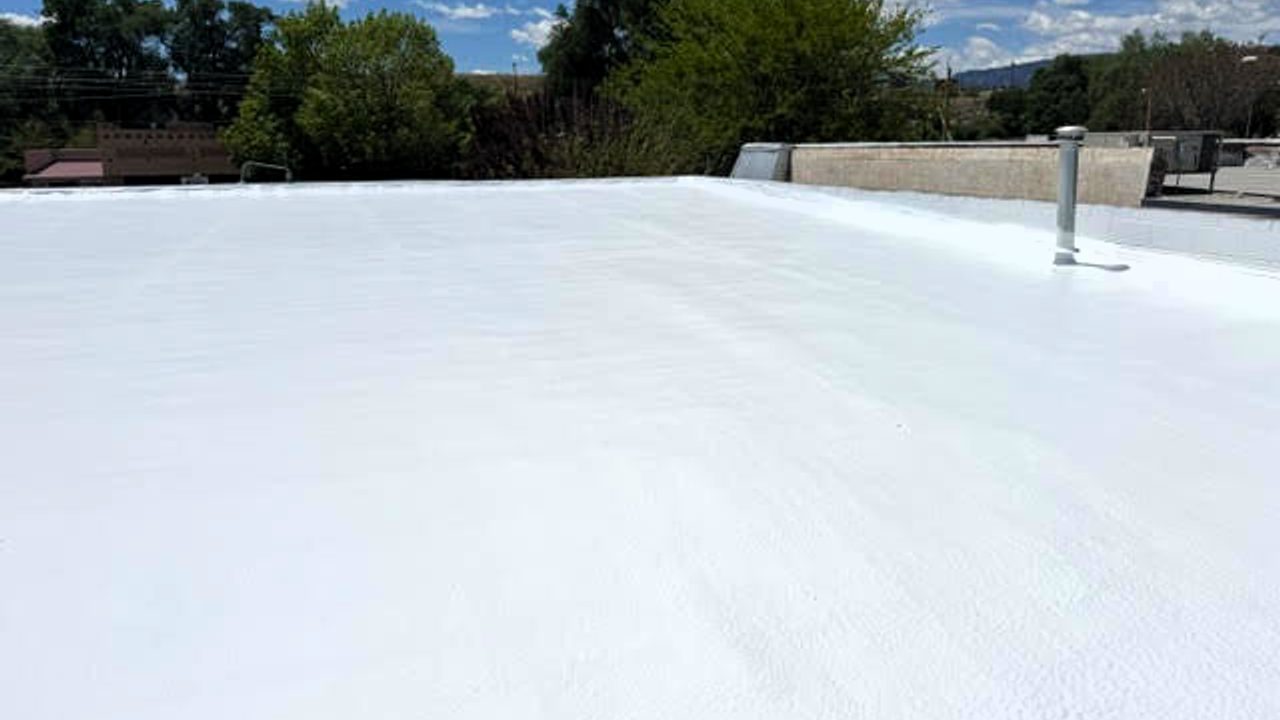
- Top Coat Application: After the foam cures, we apply one or more layers of protective top coat. This acrylic coating is usually white, which reflects sunlight and UV rays, further reducing the roof's surface temperature and adding another layer of waterproofing. This top coat also makes the roof resistant to hail, wind, and foot traffic.
- Final Inspection: We always do a final walk-through to ensure everything is applied correctly and meets our quality standards.
This process creates a durable, energy-efficient roof that can last for decades. However, foam roofs aren't a good fit for every building. If your roof deck is completely failed or the existing roof is too far gone with widespread wet insulation, a restoration might not be the best option. A contractor installing Conklin systems will tell you upfront if your roof is past the point of restoration during the inspection.
Frequently Asked Questions
What makes foam roofing good for insulation?
Spray Polyurethane Foam (SPF) has a high R-value, which means it's very good at resisting heat transfer. When we spray it on your roof, it creates a thick, unbroken layer of insulation. This helps keep heat out in the summer and in during the winter, reducing how much your HVAC system has to work. This can lead to lower energy bills for your building.
How long does a foam roof typically last?
A well-installed and properly maintained Conklin SPF roof system can last a very long time. With regular maintenance and re-coating every 10-15 years, it can perform for 20-30 years or even longer. The key is consistent upkeep, just like any other roofing system.
Can foam roofing be applied over any existing roof?
Foam roofing can be applied over many types of existing commercial roofs, including metal, modified bitumen, built-up roofs, and single-ply membranes. However, the existing roof needs to be structurally sound, dry, and clean. We always do a thorough inspection to make sure your roof is a good candidate for an SPF system. If there's too much damage or widespread wet insulation, a full tear-off and replacement might be necessary instead.
Want to know if a foam roof system is right for your building? Our network of contractors installing Conklin systems can provide a free, no-obligation roof inspection. They'll assess your roof's condition and explain your options clearly. Give us a call at (309) 303-3128 or visit our contact page to schedule your inspection today.
Keep Reading on This Site
Industry Sources
- Spray Polyurethane Foam Alliance(opens in a new tab)
SPF roofing application and maintenance guidance.
- Cool Roof Rating Council. Building Owner Resources(opens in a new tab)
How reflective roof surfaces lower cooling load.
- U.S. EPA. Using Cool Roofs to Reduce Heat Islands(opens in a new tab)
Measured surface-temperature and energy impacts.
Frequently Asked Questions
How long does longevity, flexibility, and four more benefits of foam roofing for your commercial building last?
Service life depends on the roof's condition, the system used and how well it is maintained; ask the contractor to put the expected service life in writing. That’s much better than other types of commercial roofing available in today’s market. The long life expectancy of this type of roofing means less money spent on roof replacement through the years.
What is flexibility?
Buildings settle, expand, contract, and move over time and with the weather. This type of natural movement and shifting can wreak havoc on other types of commercial roofing materials, but not urethane foam.
What is variety of applications?
Urethane foam roofing can be used on nearly every type of building. It’s an excellent option for warehouses, hospitals, universities, and industrial complexes because roof repair or replacement often means a portion of the building is shut down for regular operations during the roofing process.
What is seamlessness?
Every roofer knows that seams are just places where water can creep in and create problems. Roof leaks are much less common with foam roofing because it’s seamless, unlike shingles, sheets, and shakes. Foam roofing is installed with proper water management practices in place.