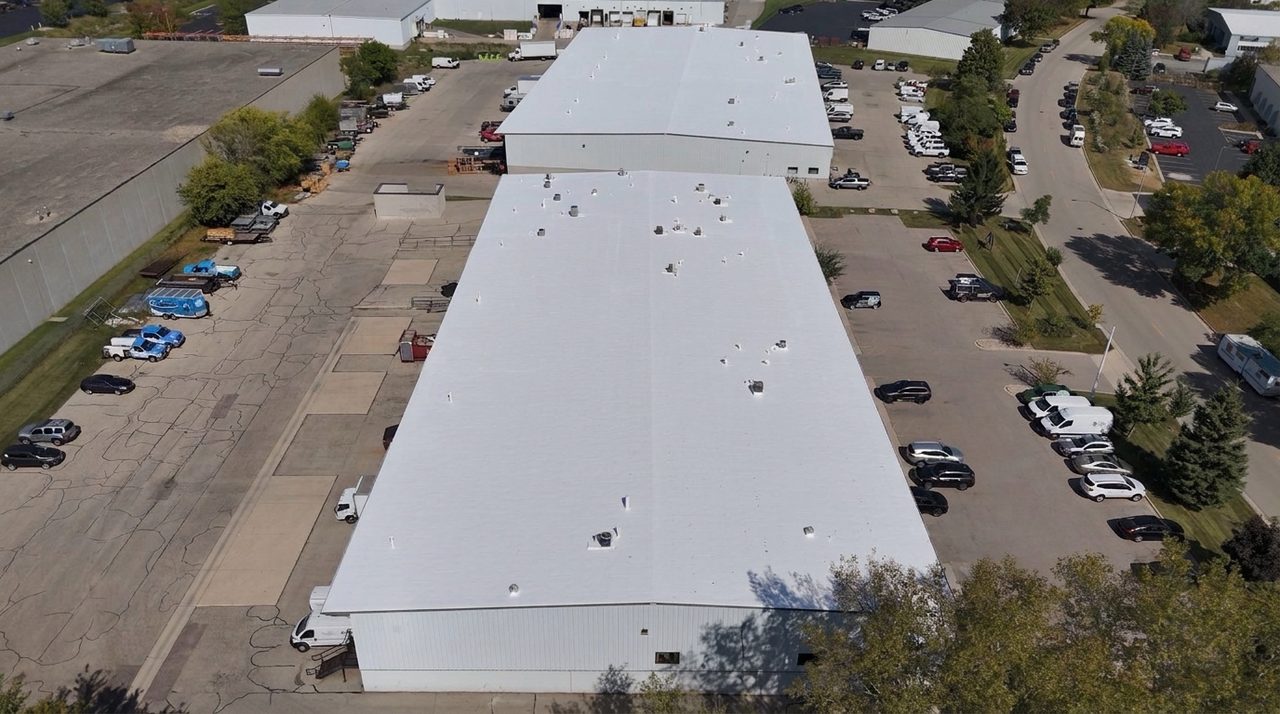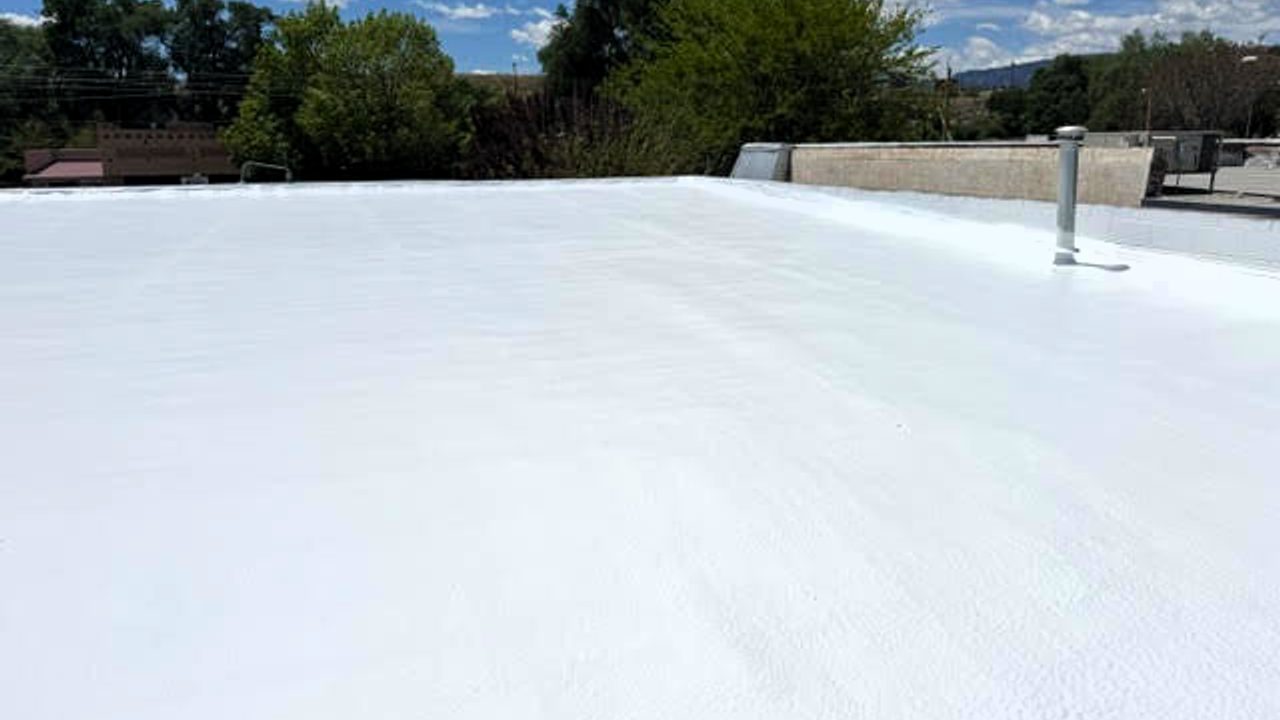
Foam Roof Problems
Common Issues with Foam Roofing Systems
What are the common problems with foam roofs?
Foam roofing, also known as Spray Polyurethane Foam (SPF), is a good roofing option for many commercial buildings. But like any roofing system, it can have issues if not installed right or maintained well. The main problems are weather limitations during installation, potential for overspray, and the need for proper surface preparation and ongoing maintenance.
You see cracks, divots, or exposed foam on your roof.
If you have a foam roof, you might notice small cracks, indentations, or areas where the protective top coat seems to be worn away, exposing the foam underneath. You might also see standing water in certain spots or even small leaks inside your building. Sometimes, if the foam wasn't applied correctly, it can look uneven or have blisters.
Why foam roofs fail and what it costs.
A foam roof works by having a seamless layer of insulating foam, protected by a top coating. If this top coating gets damaged, or if the foam isn't installed right, problems start. UV rays from the sun can break down exposed foam quickly, leading to more cracking and deterioration. Water can then get into the exposed foam, causing it to absorb moisture, lose its insulating value, and eventually lead to leaks. When water gets into the foam, it can sit there and become heavy, putting stress on the roof deck. If left alone, these small issues turn into bigger problems, costing you more in repairs, higher energy bills because the insulation isn't working, and eventually a full roof replacement much sooner than expected.
Here are some of the reasons these problems happen:
- Installation in bad weather: SPF needs specific weather conditions to be applied right. This means warm, dry weather with low wind. If foam is sprayed in cold, wet, or windy conditions, it won't cure properly, leading to poor adhesion and an uneven, weak roof from day one.
- Overspray: Because it's sprayed on, foam can be carried by wind to other parts of your property, or even neighboring properties. While not a health hazard, it can stick to cars, windows, or landscaping, causing a cleanup headache.
- Poor surface preparation: Foam can go over many existing roofs, but the surface must be clean and dry. If there's dirt, debris, or moisture, the foam won't stick well. This leads to delamination, where the foam separates from the old roof, creating air pockets and weak spots.
- Lack of maintenance: The protective top coat on a foam roof wears down over time due to sun, weather, and foot traffic. If this coat isn't inspected and recoated every 10-18 years as needed, the foam underneath will be exposed and start to break down. This is the most common reason for premature foam roof failure.
- Improper repairs: If a foam roof is damaged, it needs to be repaired with the right materials and techniques. Patching it incorrectly can create new weak spots or prevent proper adhesion of future coatings.
Ignoring these issues costs you money. You'll pay more to heat and cool your building, face expensive emergency repairs for leaks, and might have to replace your entire roof decades too early.
What we do and its limits.
When we come out to look at your foam roof, we first figure out what's causing the problem. Most issues with foam roofs can be solved by cleaning, repairing, and recoating the existing system. Here's our process:
- Inspection: We do a thorough inspection of your roof to find all areas of damage, including cracks, punctures, areas of standing water, and any places where the foam is exposed or has absorbed water. We check the condition of the top coat and the foam itself.
- Moisture Survey: If we suspect water has gotten into the foam, we might use moisture detection equipment to find out how much water is present and where. If the foam is saturated with water, it might need to be removed and replaced in those areas. This is a critical step, because coating over wet foam just traps the moisture, leading to continued problems.
- Repair and Patching: We clean and remove any loose debris from the affected areas. We then repair cracks, holes, and damaged sections using specialized foam patching materials that match the original system. For areas of saturated foam, we cut out the wet sections and replace them with new, dry foam.
- Cleaning: The entire roof surface is thoroughly cleaned to remove dirt, grime, and mildew. This helps ensure proper adhesion of the new coating.
- Priming (if needed): Depending on the condition of the existing coating and the type of new coating, a primer might be applied to ensure a strong bond.
- Base Coat Application: We apply a tough, flexible base coat. This layer seals the foam and adds another layer of protection.
- Top Coat Application: Finally, we apply a highly reflective top coat, typically a white acrylic coating. This top coat protects the foam from UV rays, harsh weather, and foot traffic. It also reflects most of the sun's heat, which can significantly lower your building's energy costs.
Our Conklin roof coatings are designed to bond directly to foam, restoring its protective layer and extending the life of your roof. The result is a seamless, waterproof, and energy-efficient system that can last for many years. We can recoat most foam roofs that are structurally sound and not excessively damaged or saturated with water. However, if your foam roof is completely deteriorated, has widespread water saturation, or the underlying deck has failed, a restoration might not be enough. In those cases, a full roof replacement would be the only lasting solution.
Frequently Asked Questions
When is it too late to restore a foam roof?
It's generally too late when the foam itself is widely saturated with water, has severe, widespread cracking and erosion, or if the underlying roof deck is damaged. If more than 25-30% of the foam is wet, or if the structural integrity of the foam is compromised beyond isolated repairs, a full replacement is usually more cost-effective than trying to restore it. We can tell you the honest truth after an inspection.
How often does a foam roof need to be recoated?
A properly installed foam roof with a good top coat typically needs to be recoated every 10 to 18 years. This timeline can depend on the thickness of the original coating, the amount of foot traffic, and the climate your building is in. Regular inspections help determine the best time for recoating before the foam itself becomes exposed.
Can a foam roof be installed over an old roof?
Yes, one of the benefits of foam roofing is that it can often be installed directly over many existing roof types, like asphalt, modified bitumen, concrete, and even some metal roofs. This saves on tear-off costs and landfill waste. The key is that the existing roof must be stable, dry, clean, and provide a good surface for the foam to adhere to.
Need an honest opinion on your foam roof? Our contractors installing Conklin systems provide straightforward answers and effective solutions. Don't let minor roof issues turn into major expenses. Call us at (309) 303-3128 or visit our contact page to schedule an inspection today. We'll help you understand your options and find the right fix for your building.
Keep Reading on This Site
Industry Sources
- Spray Polyurethane Foam Alliance(opens in a new tab)
SPF roofing application and maintenance guidance.
- Cool Roof Rating Council. Building Owner Resources(opens in a new tab)
How reflective roof surfaces lower cooling load.
- U.S. EPA. Using Cool Roofs to Reduce Heat Islands(opens in a new tab)
Measured surface-temperature and energy impacts.
Frequently Asked Questions
Why does spray polyurethane foam (spf) roofing systems are matter?
1. Energy Efficient 2. Durable 3. Seamless 4. Waterproof 5. Environmentally Friendly 6. Renewable 7. Easy to Install
Why does a few problems with foam roofs are matter?
#### Weather Concerns…. This means that you will be at the mercy of Mother Nature to get your foam roof repaired or installed. Foam Roofing is done by a spray installation process. This type of application technique means that the SPF needs to be installed at a specific weather conditions.