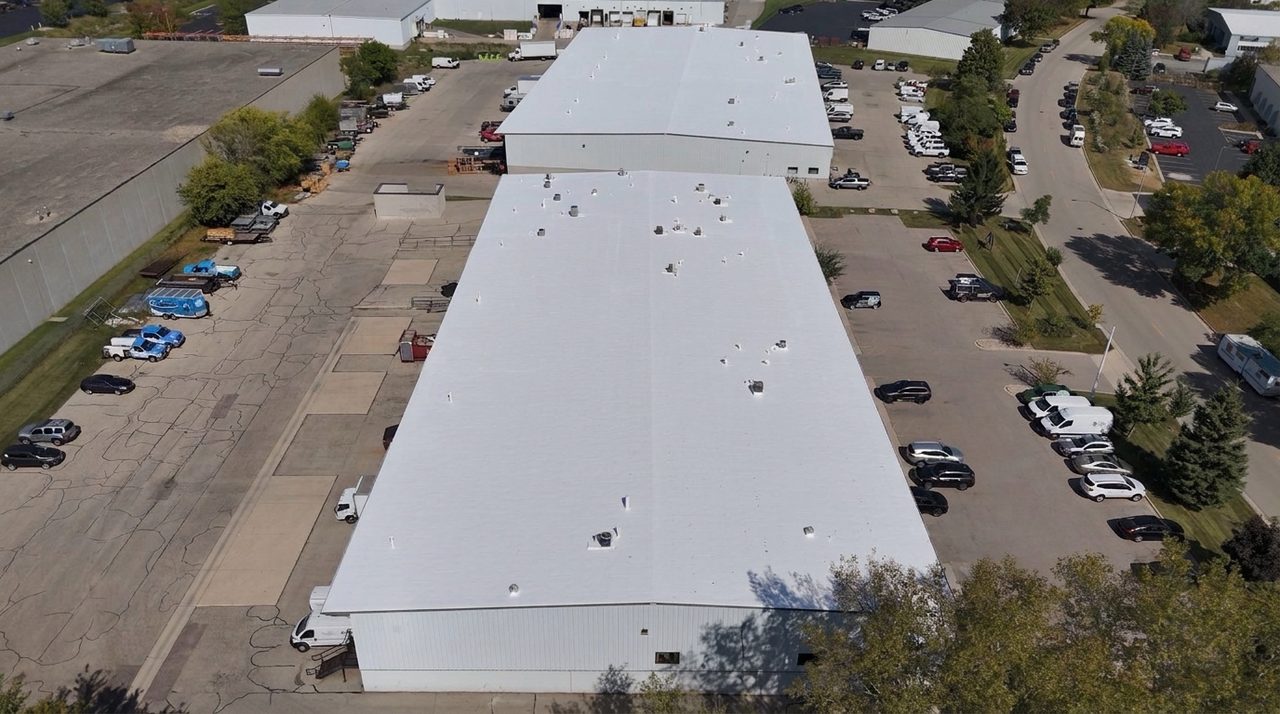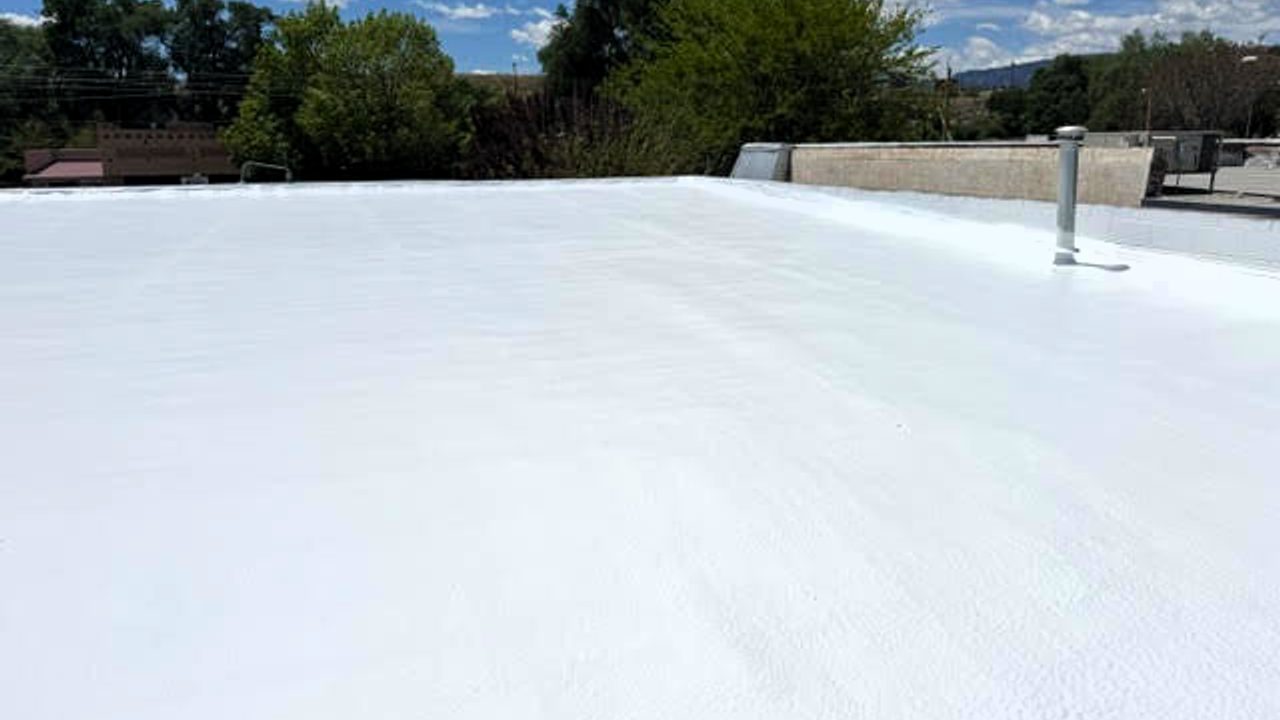
Spray Foam Roofing problems
Understanding Spray Foam Roofing Problems
You're wondering: "What are the common problems with spray foam roofing?" Spray foam roofing can have issues like inconsistent application thickness, lack of UV protection, or damage from foot traffic if not installed or maintained correctly. However, most problems come from poor installation, not the material itself.What You See:
You might notice an uneven roof surface, parts of the foam looking yellow or degraded, or water pooling in certain spots. Sometimes, you might see small dents or punctures if the roof has been walked on without proper care. If your energy bills are still high after installing a foam roof, it could point to an installation problem.The Problem If Ignored:
If your spray foam roof has issues, ignoring them can lead to bigger problems. Uneven application can cause water to collect, leading to leaks and eventually damaging the building structure. If the foam isn't properly coated, UV rays from the sun will break it down over time, making it brittle and ineffective. Small punctures or thin spots can turn into leaks, letting water into your building and potentially damaging insulation, ceilings, and equipment. This means costly repairs down the road, higher energy bills, and a shorter lifespan for your roof.The Solution:
Spray polyurethane foam (SPF) roofing, when done right, is a tough and efficient roofing system. It's not the foam itself that usually causes problems, but how it's put down and cared for. Here’s how a proper spray foam roof should be installed and maintained to avoid common issues: 1. Surface Prep: We start by making sure the existing roof surface is clean, dry, and free of loose debris. Any wet insulation is removed, and the deck is inspected for damage. A dirty or wet surface won't allow the foam to stick properly. 2. Foam Application: The foam is sprayed in layers, building up to a consistent thickness across the entire roof. This thickness is crucial for proper insulation and drainage. Our contractors installing Conklin systems are careful to ensure an even application, avoiding thin spots or high points where water could pond. If the roof deck is too far gone, or if existing insulation is soaked, spray foam might not be the right fit, and we'll tell you honestly. 3. Protective Topcoat: Once the foam is cured, we apply a protective Conklin acrylic coating over it. This topcoat is vital. It shields the foam from UV rays, which would otherwise break down the foam over time, turning it yellow and brittle. It also adds another layer of waterproofing and makes the roof surface durable enough for regular foot traffic and maintenance. 4. Regular Maintenance: Even the best spray foam roof needs care. This means regular inspections to catch any small issues, like punctures or wear on the coating, before they become big problems. If the topcoat starts to show signs of wear after many years, another application of restorative coating can extend the roof's life for decades. When installed by experienced, contractors installing Conklin systems, a spray foam roof can provide excellent insulation, leak protection, and a long lifespan. Most problems attributed to SPF roofing come from shortcuts taken during installation or a lack of understanding of the system's requirements.Frequently Asked Questions
Is spray foam roofing easily damaged by walking on it?
A properly installed spray foam roof, especially one with a durable Conklin topcoat, can handle normal foot traffic for maintenance. The topcoat adds strength and resistance to punctures. However, sharp objects can still cause damage, so care is needed during roof inspections or other work.How long does spray foam roofing last?
Service life depends on the roof's condition, the system used and how well it is maintained; ask the contractor to put the expected service life in writing. The key is the regular recoating, which keeps the foam protected from the elements.Is spray foam roofing expensive to install?
We don't provide per-square-foot prices because every roof is different. However, spray foam roofing often proves to be very cost-effective over its lifespan. Its strong insulation properties can significantly lower energy bills, and the ability to restore it with recoats instead of full replacement saves money in the long run. The actual cost depends on the current roof condition, size, and other project details, which requires an on-site inspection. If you’re looking into spray foam roofing for your commercial building, get it done right the first time. Contact White Roofing Systems today for a free, no-obligation roof inspection. Our contractors installing Conklin systems will assess your building and provide an honest recommendation. Call us at (309) 303-3128 or visit our contact page to schedule your inspection.Keep Reading on This Site
Industry Sources
- Spray Polyurethane Foam Alliance(opens in a new tab)
SPF roofing application and maintenance guidance.
- Cool Roof Rating Council. Building Owner Resources(opens in a new tab)
How reflective roof surfaces lower cooling load.
- U.S. EPA. Using Cool Roofs to Reduce Heat Islands(opens in a new tab)
Measured surface-temperature and energy impacts.
Frequently Asked Questions
What is spray foam myths?
Spray polyurethane foam technology does not have a solid track record for commercial roofing. Because a number of commercial roofing companies have installed this roof system poorly or incorrectly, this misnomer is one of the greater misconception to emerge in the commercial roofing industry.
Why does spray foam roofing problems matter for commercial buildings?
Having been around in the United States since the 1960s, spray foam roofing has emerged as a popular, energy-saving roofing solution for many building owners. Spray foam has been a questionable roofing system for years.
What should building owners know about spray foam roofing problems?
Building owners often realize that spray polyurethane foam roofing offers them a reliable and long lasting roof protecting system in addition to cost-effectiveness. Despite SPF’s popularity, it is still normal that some members of the public have negative impressions of it and despise it.
How does spray foam roofing problems affect roof performance?
Spray polyurethane foam may be suitable for other applications, but not for roofing. Despite this fairly popular notion, spray polyurethane foam actually has shown a great track record for commercial roof application.