Spray Foam Roofs
What Are Spray Foam Roofs and How Do They Work?
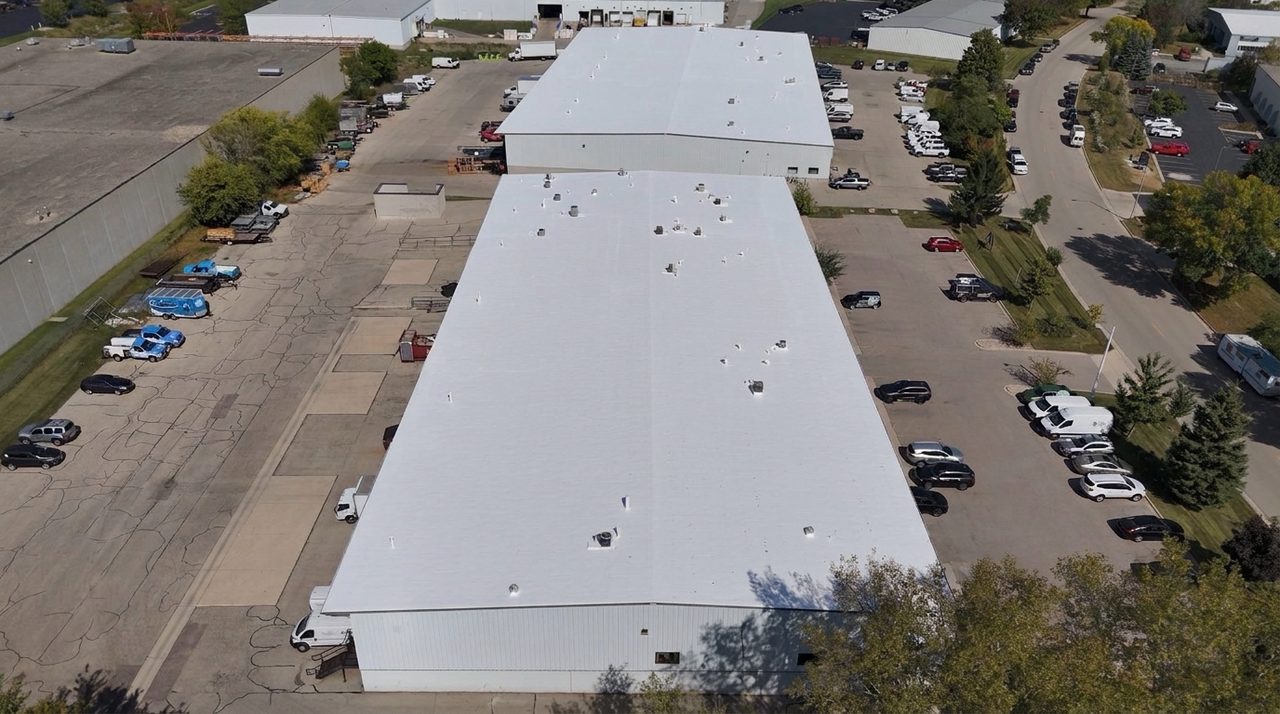
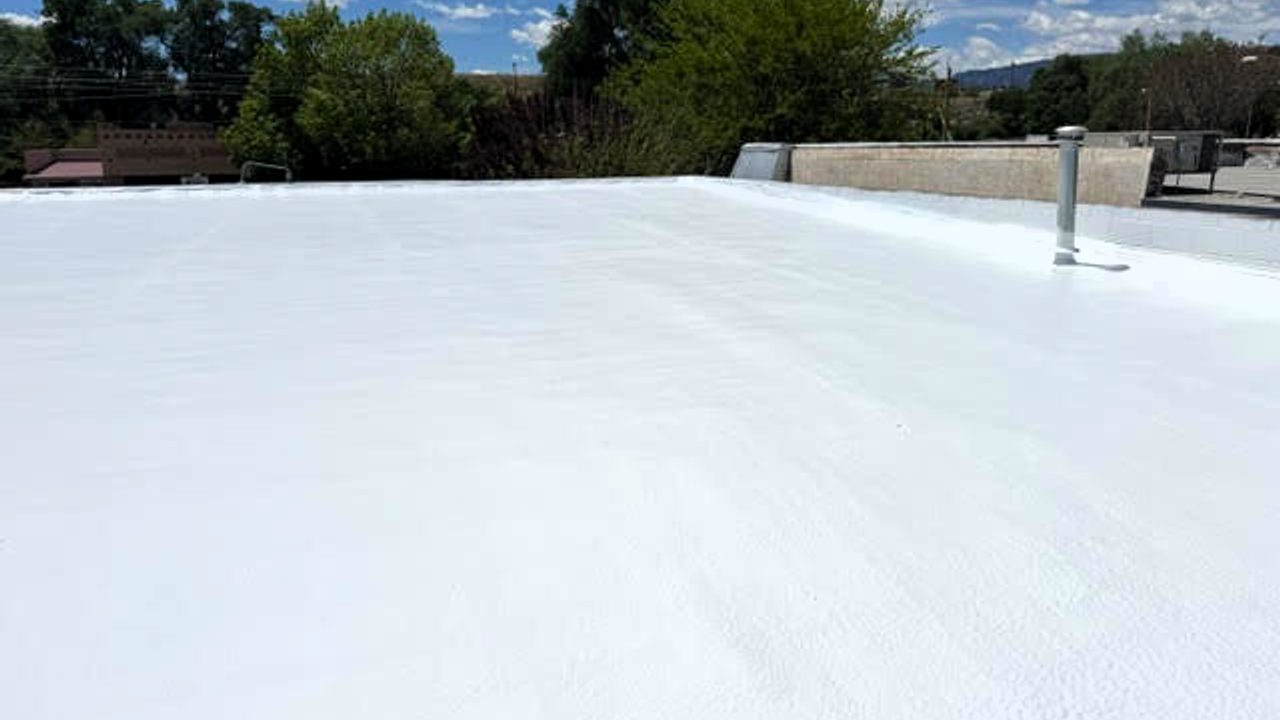
What are spray foam roofs and how do they work? A spray foam roof is a roofing system made by spraying two liquid chemicals, polyol and isocyanate, onto a prepared roof surface. These liquids react and expand to form a solid, seamless layer of foam, which is then protected by a top coating.High Energy Bills, Leaks, or Roof Deterioration
You might be seeing your energy bills climb year after year, or perhaps you've noticed water stains inside your building. Your existing roof could be showing cracks, ponding water, or just looking worn out, letting heat escape in winter and seep in during summer.Inefficient Roofs Lead to Costly Problems
Traditional roofs often have seams, which are common points for leaks. As they age, insulation can break down, leading to significant energy loss. Flat or low-slope roofs are also prone to ponding water, which speeds up deterioration and can cause structural damage if ignored. These issues drive up utility costs, lead to expensive repairs, and shorten the lifespan of your roof.A Seamless, Insulating Spray Foam System
A spray foam roofing system, also known as SPF (Sprayed Polyurethane Foam), addresses these problems by creating a seamless, insulating, and waterproof layer directly on your existing roof. Here's how contractors installing Conklin systems install it: 1. **Inspection and Preparation:** First, we inspect your current roof to make sure it's a good candidate for foam. The roof deck must be sound, and the surface clean and dry. Any debris, dirt, or oils are removed. Existing leaks are addressed, and severely damaged areas of the old roof are repaired or replaced. 2. **Foam Application:** The two liquid components of the foam are kept separate until they reach the spray gun. Inside the gun, they mix and are sprayed onto the roof surface. They react instantly, expanding to form a closed-cell foam layer. This layer adheres tightly to the roof, filling in cracks, gaps, and creating a monolithic, seamless membrane. Because it's sprayed, we can build up the thickness in low spots to improve drainage and prevent ponding water. 3. **Protective Coating:** Once the foam is in place and cured, we apply one or more layers of a reflective, Conklin acrylic top coating. This coating protects the foam from UV rays, weathering, and foot traffic. It also provides the reflective surface that bounces sunlight away from the building, further reducing cooling costs. This process creates a highly insulated, waterproof, and durable roofing system. The foam itself is made of millions of closed cells, which means water can't easily penetrate it. Even if the top coating is damaged in one spot, the foam underneath will still resist water penetration, localizing any potential issue. The seamless nature of the system eliminates the weakest points of most traditional roofs – the seams. **Limits of the System:** While very effective, spray foam isn't a miracle cure for every roof. It needs a stable, structurally sound substrate to adhere to. If your roof deck is rotten, or if insulation is saturated with water and cannot dry out, those issues must be resolved before foam can be applied.Frequently Asked Questions
How long do spray foam roofs last?
With proper maintenance and re-coating every 10-20 years, a spray foam roof can last for decades, often as long as the building itself. The foam layer does not degrade much over time; it's the top coating that needs refreshing to maintain protection from UV and weather.
Can spray foam roofs be installed over any existing roof?
Spray foam can be applied over many types of existing roofs, including metal, modified bitumen, EPDM, and concrete. However, the existing roof must be stable, structurally sound, and free of widespread wet insulation. An on-site inspection by a Conklin contractor is needed to confirm suitability.
Are spray foam roofs energy efficient?
Yes, spray foam is one of the most energy-efficient roofing materials available. Its high R-value (a measure of insulating power) creates an excellent thermal barrier, reducing heat transfer through the roof. The reflective top coat also helps by deflecting sunlight, which can significantly lower cooling costs in warm climates.
If you're dealing with a leaky roof, high energy bills, or just need a reliable roofing solution that lasts, a spray foam system might be right for your building. Our network of contractors installing Conklin systems provides expert inspections and installations. Call us today at (309) 303-3128 or visit our contact page to schedule a free, no-obligation roof assessment.
Keep Reading on This Site
Industry Sources
- Spray Polyurethane Foam Alliance(opens in a new tab)
SPF roofing application and maintenance guidance.
- Cool Roof Rating Council. Building Owner Resources(opens in a new tab)
How reflective roof surfaces lower cooling load.
- U.S. EPA. Using Cool Roofs to Reduce Heat Islands(opens in a new tab)
Measured surface-temperature and energy impacts.
Frequently Asked Questions
How long does a spray foam (SPF) roof last?
Service life depends on the roof's condition, the system used and how well it is maintained; ask the contractor to put the expected service life in writing. The protective acrylic top coat needs periodic renewal; your contractor should give you the recoat schedule in writing.
Is spray foam roofing energy efficient?
Yes. SPF delivers an R-value of roughly 6.5 per inch, the highest of any commercial roofing material, and the white reflective top coat further reduces cooling load.
Can spray foam be applied over an existing roof?
In most cases, yes. SPF can be sprayed directly over metal, BUR, modified bitumen, and most single-ply systems after cleaning and primer. When the existing roof qualifies, that avoids tear-off costs.
Does spray foam roofing qualify for ENERGY STAR?
No. The EPA ended the ENERGY STAR label for roof products on June 1, 2022. Reflective roof products are now compared using Cool Roof Rating Council (CRRC) ratings. Some utilities still offer cool-roof rebates; check with yours.