Conklin Roofing vs Spray Foam Roof: 7 Costly Problems to Avoid
Conklin Roofing vs Spray Foam Roof: What's the Difference for My Building?
You're asking: What's the difference between Conklin roofing and spray foam roof systems? The main difference is what's underneath the protective layer. Conklin systems are a coating applied directly to your existing roof, while spray foam systems first apply an insulating foam layer, then coat that. This difference affects how they perform over time, especially when it comes to water.Your Current Roof is Failing, or You're Looking for a Long-Term Solution
You might be seeing leaks, high energy bills, or your old roof just looks worn out. You know you need to do something, and you're looking for an upgrade that lasts. Maybe someone has suggested spray foam, or you've heard about Conklin coatings, and you're trying to figure out which one is better for your building. You're trying to avoid choosing a system that will cause more headaches and cost more money down the road.Not All "Seamless" Systems Are Equal, Leading to Hidden Water Damage and Costly Repairs
Many building owners look at two roofing options like Conklin coatings and spray foam and think they'll behave similarly because both are often called "seamless" or "restorative." But they don't. The real problem comes from how spray foam handles water if its protective top coating gets damaged. Spray foam is like a sponge; if water gets in, it can travel sideways within the foam layer without you knowing. This hidden water can cause structural damage, rot, and widespread problems that are expensive and difficult to find and fix. Skipping maintenance on a spray foam roof can quickly turn a small problem into a very costly one.Understand How Each System Works to Choose the Right Fit for Your Roof
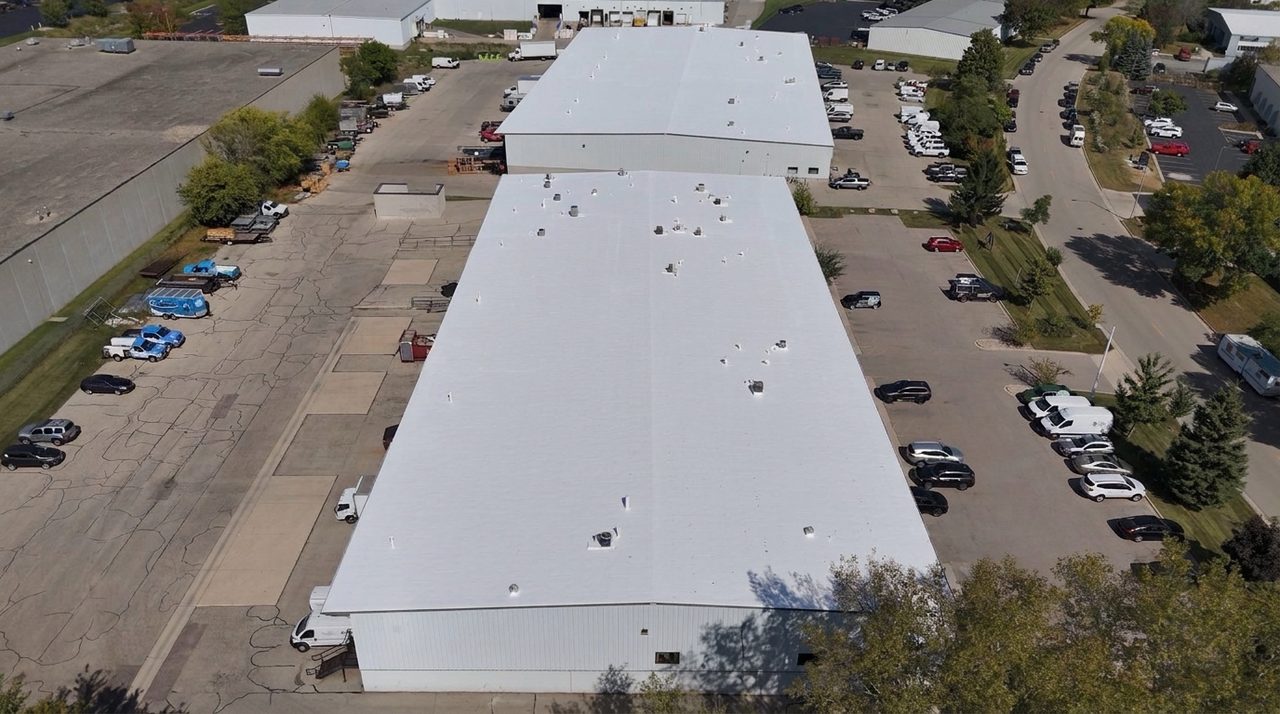
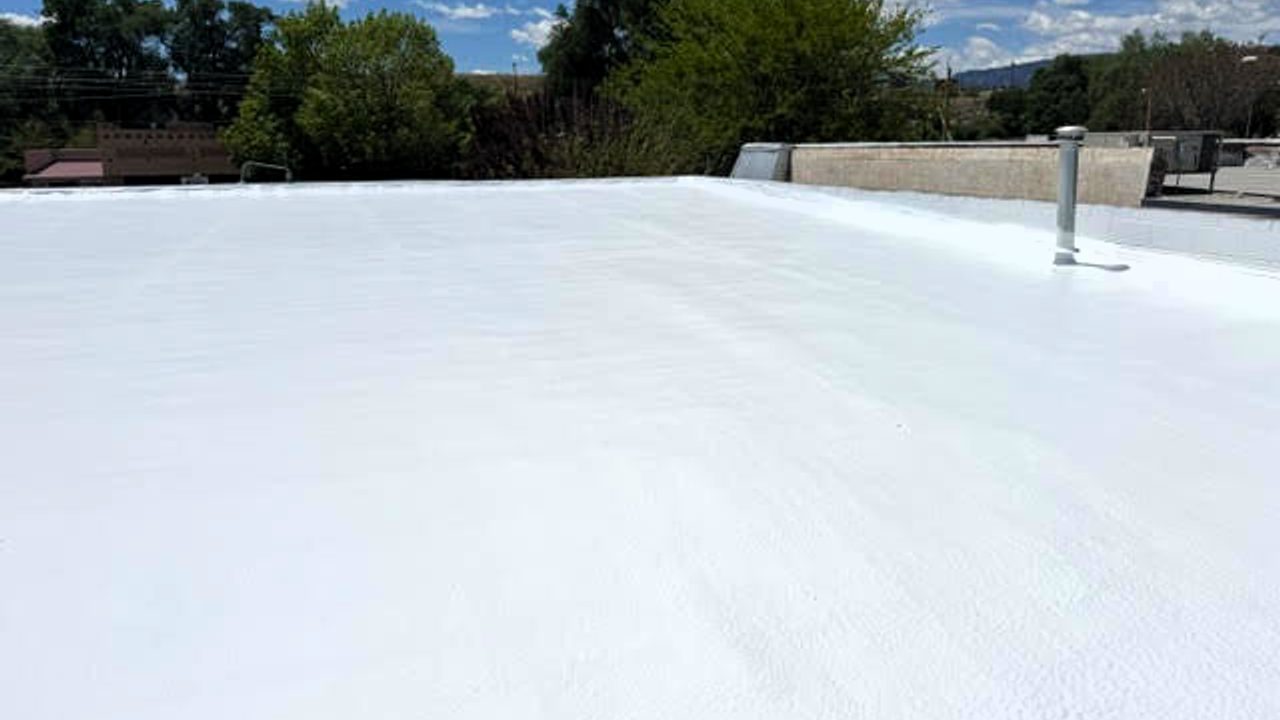
Our job is to help you understand the real differences so you can make an informed choice. We install Conklin roofing systems. These are fluid-applied acrylic coatings that form a seamless, reflective membrane right over your existing roof. There's no foam layer underneath that can hold water. Here's how we typically restore a roof with a Conklin system: 1. **Inspection and Repair:** First, we do a thorough inspection of your roof. We find and fix any soft spots or damaged areas. If your roof has widespread wet insulation, we have to remove that and replace it. If the roof deck is failing or the roof is too far gone, restoration might not be the best option, and we'll tell you that honestly. 2. **Clean the Roof:** We thoroughly clean the roof surface to make sure the coating sticks properly. 3. **Prime (if needed):** Some roof types need a primer coat for better adhesion. 4. **Reinforce Seams and Penetrations:** We apply a base coat and fabric reinforcement to all seams, fasteners, and areas around pipes, vents, and other penetrations. This is a critical step for preventing leaks. 5. **Apply Top Coats:** We then apply two layers of a reflective acrylic top coat. This creates a strong, seamless, and reflective surface that protects your roof from the weather and reflects UV rays, helping to keep your building cooler.Why Conklin is Different From Spray Foam
* **No Water Absorption Risk:** With a Conklin system, the coating itself is the barrier. If it gets damaged, the problem is usually localized and easy to spot and repair. There's no underlying foam to absorb water and hide widespread damage. * **Easier Maintenance:** Both systems need maintenance, but with Conklin, you're maintaining a protective surface. With spray foam, you're maintaining a coating that protects a water-sensitive foam layer. If you miss maintenance on spray foam, the consequences can be much more severe due to the foam absorbing water. * **Reflectivity for Energy Savings:** Conklin systems are known for their high reflectivity. They bounce a lot of the sun's heat away from your building, which can significantly lower your cooling costs. While spray foam adds insulation, Conklin coatings primarily reduce heat gain through reflection. * **Clearer Repairs:** If a Conklin roof gets damaged, a repair is usually a straightforward patch because water doesn't travel underneath the membrane in the same way it can with foam. When comparing a commercial roof restoration with Conklin versus a spray foam roof, think about what happens if the top layer gets compromised. We believe the Conklin approach offers a more predictable and less risky long-term solution for protecting your investment.Frequently Asked Questions
What happens if the protective coating on a spray foam roof gets damaged?
If the protective coating on a spray foam roof gets damaged, the underlying foam becomes exposed to UV rays and can start to degrade. More importantly, the foam can absorb water. Once water gets in, it can spread throughout the foam layer, making it very difficult to find and repair the leak and potentially causing extensive hidden damage.Can a Conklin system be applied over any type of roof?
Conklin systems can be applied over many existing roof types, including metal, modified bitumen, EPDM, TPO, and built-up roofs. However, the existing roof must be structurally sound and free of widespread wet insulation or significant damage to the deck. We always perform a thorough inspection to determine if your roof is a good candidate for restoration.How do Conklin systems save energy compared to spray foam?
Conklin systems save energy primarily through their high reflectivity. They reflect a large percentage of the sun's UV and infrared rays, which keeps your roof surface and the building below much cooler. This reduces the load on your HVAC system and lowers cooling costs. Spray foam, on the other hand, primarily saves energy through its insulating properties, reducing heat transfer through the roof. Thinking about your roof's future? Don't let hidden problems drain your budget. Call us today at (309) 303-3128 for a free, honest assessment of your building. You can also visit our contact page to send us a message. We'll help you understand your options and find the right solution.Keep Reading on This Site
Industry Sources
- Spray Polyurethane Foam Alliance(opens in a new tab)
SPF roofing application and maintenance guidance.
- Cool Roof Rating Council. Building Owner Resources(opens in a new tab)
How reflective roof surfaces lower cooling load.
- U.S. EPA. Using Cool Roofs to Reduce Heat Islands(opens in a new tab)
Measured surface-temperature and energy impacts.
Frequently Asked Questions
Why does understanding spray foam roofing systems matter?
Spray polyurethane foam (SPF) roofing is created by spraying liquid foam onto the roof surface. The foam expands and hardens into a solid layer that provides insulation and waterproofing. After the foam is applied, a protective coating is added to shield it from UV exposure and environmental damage.
What is understanding conklin roofing systems?
Conklin roofing systems are fluid-applied coatings that create a seamless, reflective membrane across the roof surface. Unlike SPF, there is no foam layer beneath the coating. The system is designed to provide waterproofing, reflectivity, and long-term protection without relying on a material that can absorb moisture.
Why does 1\. seamless does not mean the same thing matter?
Both systems are often described as seamless, but they are not the same in practice. Spray foam creates a seamless layer of foam, but that foam must be protected by a coating. If that coating fails, the underlying foam is exposed. Conklin creates a seamless protective membrane without relying on foam underneath.
Why does 2\. water absorption risk changes everything matter?
This is where spray foam can become a serious problem if not maintained perfectly. Foam can absorb water. Once water enters the system, it does not always stay localized. It can spread within the foam layer, making the problem harder to detect and more expensive to repair.