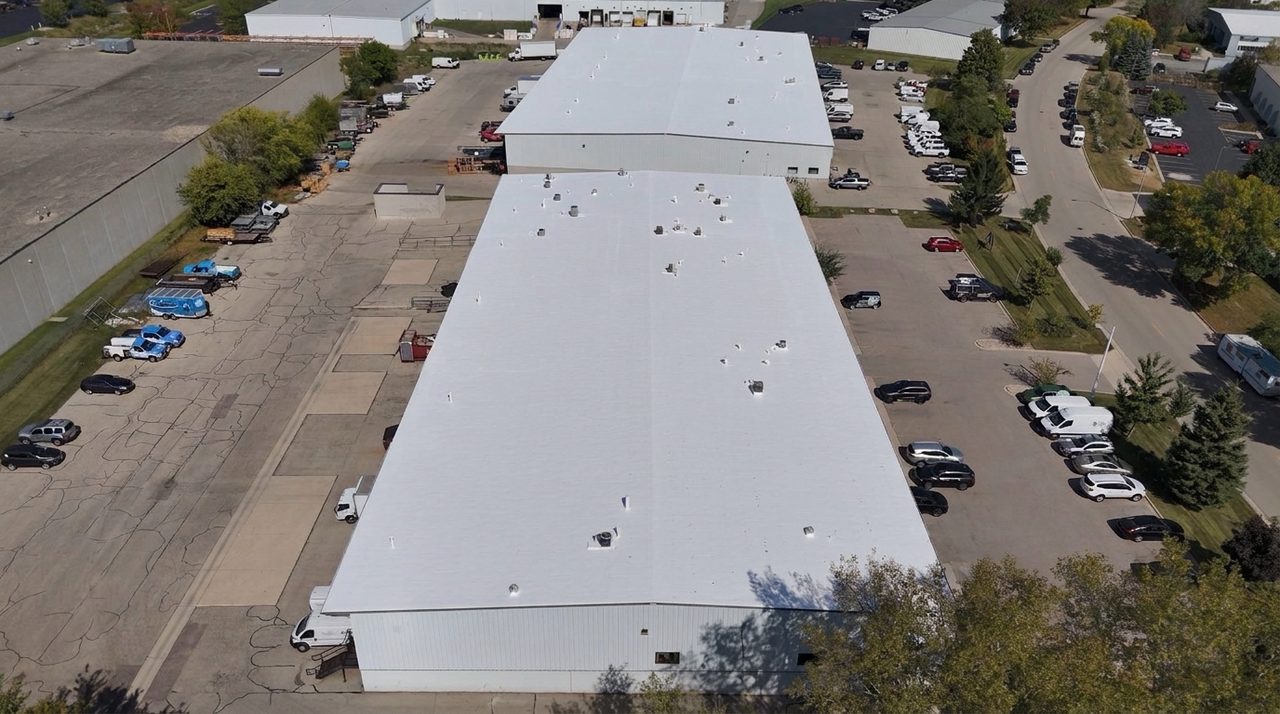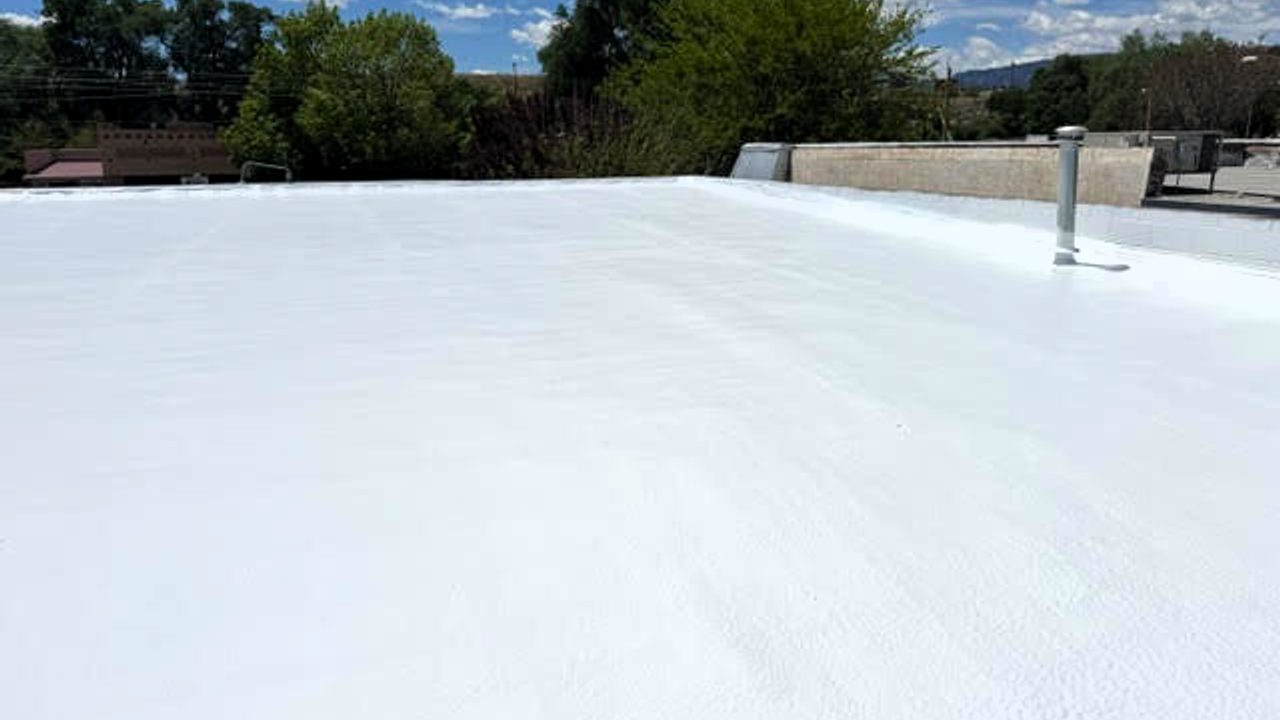
Energy Savings Foam Roof
Keep Reading on This Site
Industry Sources
- Spray Polyurethane Foam Alliance(opens in a new tab)
SPF roofing application and maintenance guidance.
- Cool Roof Rating Council. Building Owner Resources(opens in a new tab)
How reflective roof surfaces lower cooling load.
- U.S. EPA. Using Cool Roofs to Reduce Heat Islands(opens in a new tab)
Measured surface-temperature and energy impacts.
Frequently Asked Questions
How long does a spray foam (SPF) roof last?
Service life depends on the roof's condition, the system used and how well it is maintained; ask the contractor to put the expected service life in writing. The protective acrylic top coat needs periodic renewal; your contractor should give you the recoat schedule in writing.
Is spray foam roofing energy efficient?
Yes. SPF delivers an R-value of roughly 6.5 per inch, the highest of any commercial roofing material, and the white reflective top coat further reduces cooling load.
Can spray foam be applied over an existing roof?
In most cases, yes. SPF can be sprayed directly over metal, BUR, modified bitumen, and most single-ply systems after cleaning and primer. When the existing roof qualifies, that avoids tear-off costs.
Does spray foam roofing qualify for ENERGY STAR?
No. The EPA ended the ENERGY STAR label for roof products on June 1, 2022. Reflective roof products are now compared using Cool Roof Rating Council (CRRC) ratings. Some utilities still offer cool-roof rebates; check with yours.