Commercial Roofing Problems, Costs, and System Choices Explained
Commercial Roofing Decisions: Problems, Costs, and System Choices
What are the common problems with commercial roofs, how much do repairs or replacements cost, and what are my system choices?
Commercial roofs often fail at seams, penetrations, and edges, leading to leaks, energy loss, and structural damage if ignored. Repair or replacement costs depend heavily on the roof's current condition and what's underneath, meaning a thorough inspection is always needed before a price can be given. As for choices, many systems are available, but a coating system often offers the best value by restoring your existing roof.What You Actually See or Experience
Most building owners don't realize they have a roof problem until they see water stains on ceiling tiles, buckets catching drips, or a sudden spike in energy bills. You might also notice dark spots on the roof surface, standing water (pond- ing), or pieces of flashing lifting. Sometimes, it's a general feeling that something isn't right, like HVAC systems working harder than they used to. Your insurance company might also start asking more questions about your roof's age and condition, making it clear it's becoming a concern.Why It Happens and What It Costs if Ignored
Commercial roofs don't last forever. They wear out in predictable ways, usually at the seams, around rooftop equipment like HVAC units, pipe penetrations, and along the edges. These are the weakest points where water can get in. Sunlight (UV rays), temperature changes (hot and cold), and even foot traffic from maintenance crews cause materials to expand, contract, and break down over time. If you ignore these early signs, a small problem turns into a big one. Water that gets past the roof membrane can soak into the insulation below. Wet insulation loses its ability to block heat, which means your energy bills go up. It also adds weight to the roof structure, and over time, it can lead to mold, rot, and even damage the roof deck itself. What might have been a simple repair or restoration project can quickly become a full tear-off and replacement, costing you a lot more money, disrupting your business, and potentially leading to serious structural issues that are expensive and difficult to fix. Insurance companies also tend to raise premiums or refuse coverage for roofs with a history of neglect or water damage.How the Work is Actually Done, Step by Step
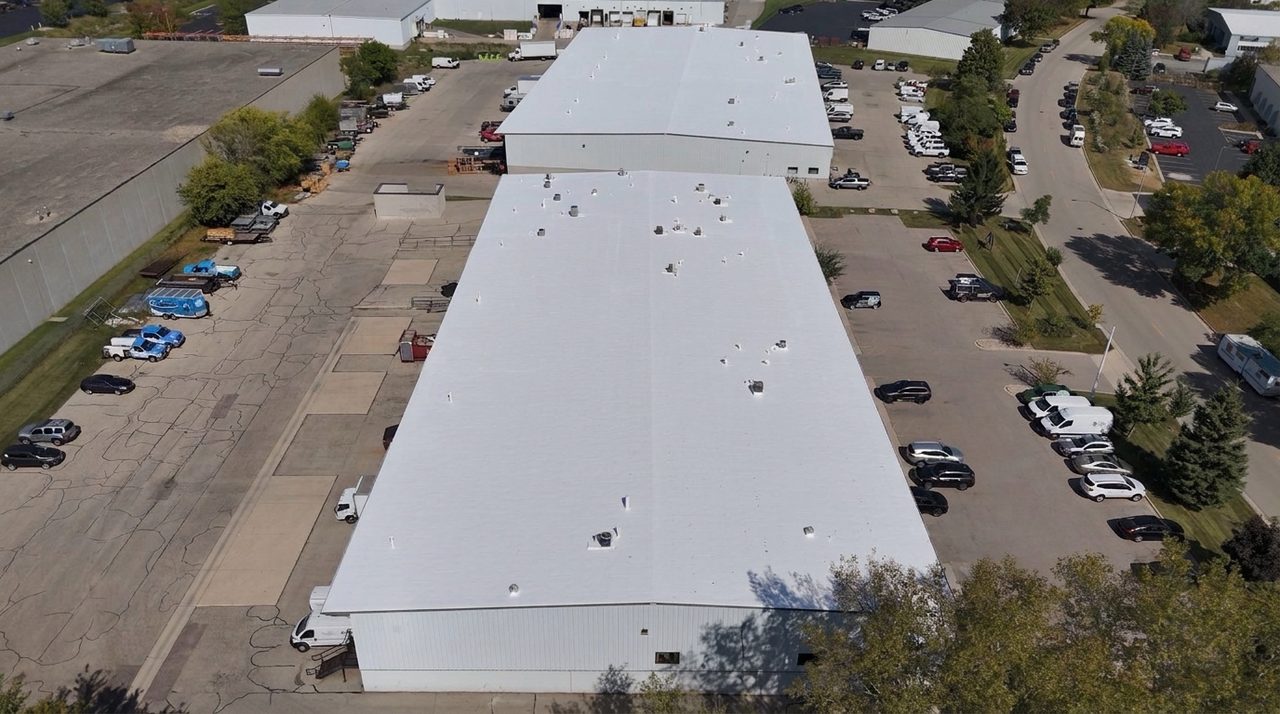
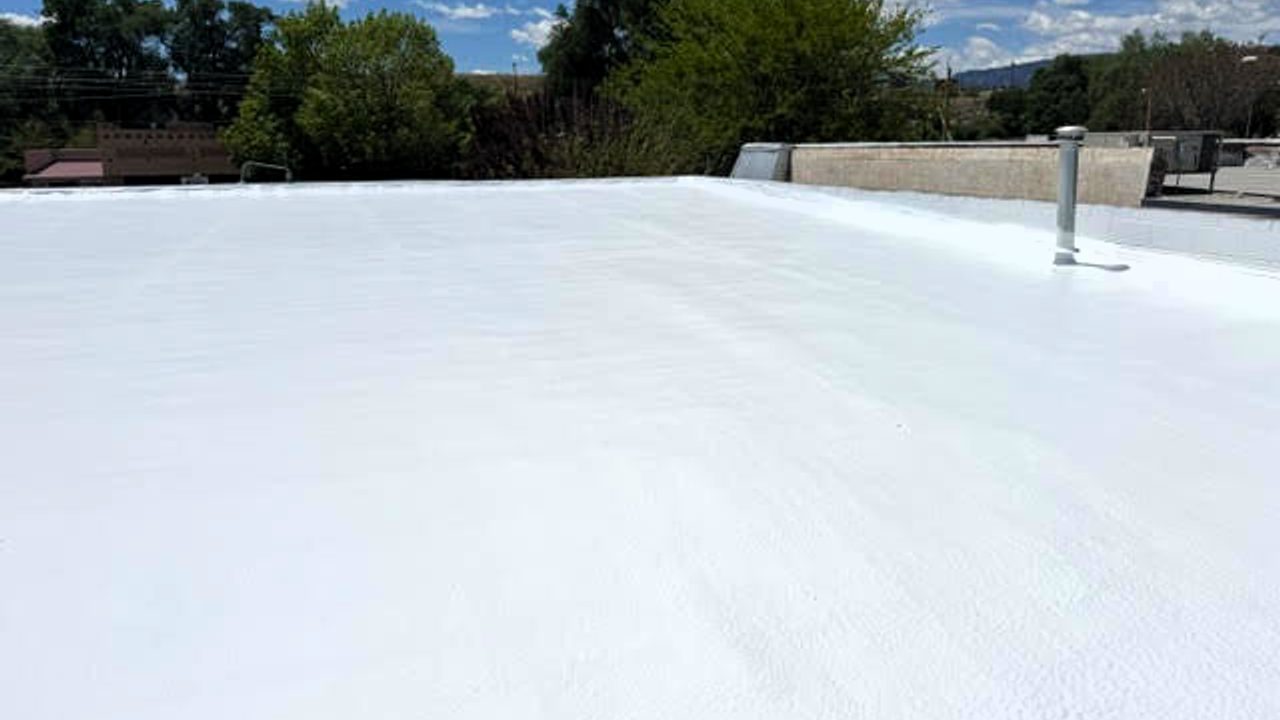
A commercial roof restoration using a Conklin coating system is often the best choice when your roof is still in decent shape but showing wear. It avoids a tear-off when the roof qualifies and extends your roof's life. Here's how we typically approach it: 1. **Inspection and Moisture Survey:** We start with a detailed inspection to understand your roof's current condition. This includes checking for soft spots, damaged areas, and using specialized equipment to find any hidden moisture trapped in your insulation. This is crucial because wet insulation needs to be removed and replaced. If a large percentage of the insulation is wet, or if the roof deck is severely compromised, a coating system might not be the right fit, and a full replacement might be necessary. We'll be honest with you about these limits. 2. **Repairs and Preparation:** Any damaged areas, like deteriorated membrane, rusted metal, or saturated insulation, are cut out and replaced with new materials. Loose fasteners are secured. The entire roof surface is then thoroughly cleaned, often using a power washer, to remove dirt, debris, and any old coatings. This ensures the new coating sticks properly. 3. **Seam and Penetration Reinforcement:** This is a critical step. All seams, roof penetrations (pipes, vents), and flashing details are sealed and reinforced. Depending on the system, this might involve applying a base coat and embedding a fabric reinforcement, then covering it with another layer of coating. This strengthens the most vulnerable parts of your roof. For metal roofs, all fasteners are often sealed, and rust is treated. 4. **Base Coat Application:** A protective base coat is applied over the entire roof surface. This layer provides extra waterproofing and helps the top coat adhere. 5. **Top Coat Application:** One or more layers of a highly reflective acrylic top coat are then applied. This white coating reflects sunlight, significantly reducing the temperature of your roof and the inside of your building. This leads to lower energy costs. 6. **Final Inspection:** After the coating cures, we perform a final inspection to ensure everything meets our high standards and that your roof is watertight and ready to protect your building for years to come. Warranty terms depend on the system, the roof's condition and manufacturer approval; ask the contractor to put them in writing before work starts.Frequently Asked Questions
What are the biggest factors that influence the cost of a commercial roof project?
The biggest factors are the size of your roof, its current condition (how much repair work or wet insulation needs to be handled), the number of rooftop units and penetrations (which require detailed work), and how easy it is for our crews to access the roof. The type of warranty you choose also plays a role. We can't give a price without seeing your specific roof.How long does a Conklin coating system last?
A properly installed Conklin coating system is designed to last for many years. Warranty terms depend on the system, the roof's condition and manufacturer approval; ask the contractor to put them in writing before work starts. This means you can keep your roof performing for decades without needing a full tear-off.When is a commercial roof too far gone for a coating restoration?
A roof is generally too far gone for a coating system if the structural deck is severely damaged, if there's extensive water saturation (typically more than 25-30% of the insulation is wet), or if the existing membrane is completely compromised and can't provide a stable base for the coating. In these cases, a full tear-off and replacement is the only safe and effective option. We'll tell you honestly if your roof has reached this point. Don't wait for a small leak to become a major problem. Get an honest assessment of your commercial roof's condition and explore the best solutions to protect your investment. Contact us today to schedule an on-site inspection. Call our dispatch at (309) 303-3128 or visit our contact page to learn more.Keep Reading on This Site
Industry Sources
- National Roofing Contractors Association(opens in a new tab)
Commercial roofing standards and guidance.
- Cool Roof Rating Council. Building Owner Resources(opens in a new tab)
How reflective roof surfaces lower cooling load.
- U.S. EPA. Using Cool Roofs to Reduce Heat Islands(opens in a new tab)
Measured surface-temperature and energy impacts.
Frequently Asked Questions
How Commercial Roofing Decisions Are Actually Made?
Strong commercial roofing decisions are rarely based on one factor. They are based on the intersection of: roof condition, building use, climate exposure, insurance requirements, and the owner’s timeline.
Why Commercial Roofing Costs Feel Hard to Pin Down?
Many owners try to simplify roofing costs by asking what a roofer charges per hour. The instinct is understandable, but commercial roofing decisions are rarely priced like routine maintenance.
How Insurance Quietly Shapes Commercial Roofing Decisions?
Insurance carriers influence commercial roofing decisions more than many owners realize. Many insurers begin scrutinizing roof systems as they approach mid-life, especially if there is limited documentation of inspections and repairs.
Why does commercial roofing decisions should be based on failure modes matter?
Marketing names do not determine performance. Failure modes do. Most commercial roofs fail at predictable locations and mechanisms: seams, penetrations, perimeter edges, drainage transitions, and attachment points.