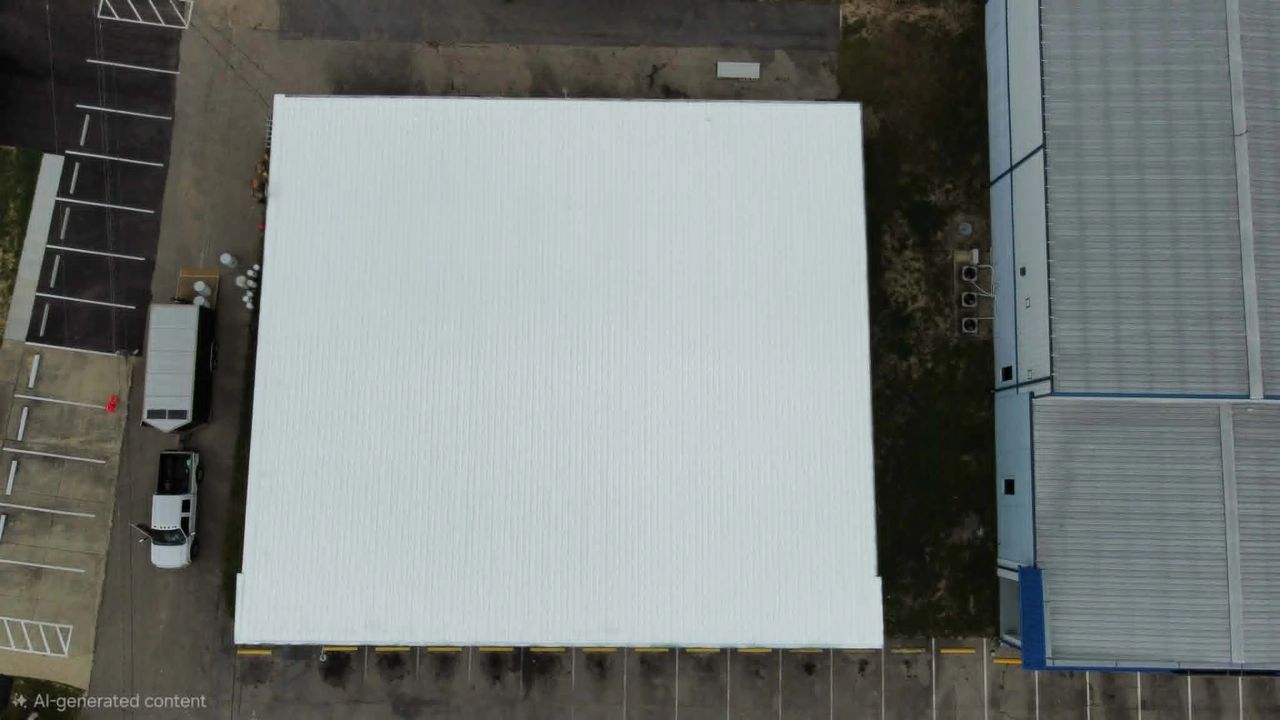
White reflective coating being rolled over a commercial standing seam metal roof — Conklin Roofing Vs Metal Roof: 7 Costly Problems

Conklin Roofing vs Metal Roof: 7 Key Differences That Impact Cost

Free commercial roof inspection from a Conklin-trained contractor. Talk to a real person today.

Call 1-309-303-3128
or request a call back

Free, no-obligation inspection. No sales pressure.

Conklin Roofing vs Metal Roof: 7 Key Differences That Impact Cost

Conklin Roofing vs Metal Roof: 7 Costly Problems You Must Avoid

If you are comparing conklin roofing vs metal roof, you are likely dealing with a commercial roofing problem that is already costing you money. Maybe it’s leaks. Maybe it’s rising energy bills. Maybe it’s constant repairs that never seem to fully solve the issue.

This is exactly where most building owners make the wrong decision. They focus on what looks durable instead of what actually performs long term. That’s why understanding the real differences between conklin roofing vs metal roof is critical before you commit to another expensive roofing decision.

Metal roofing has a reputation for strength, but that reputation doesn’t always match real-world performance over time. Conklin systems take a different approach by eliminating many of the built-in problems that metal roofs eventually develop.

This guide breaks everything down so you can make a decision that actually holds up financially and structurally over time.

What Is a Metal Roof?

A metal roof is constructed using large panels of steel or aluminum installed across a building. These panels are connected with seams and secured using fasteners.

Metal roofing is often chosen because it is durable and can last for many years. However, in the conklin roofing vs metal roof comparison, durability alone does not tell the full story.

Metal roofs are constantly expanding and contracting due to temperature changes. This movement creates stress on seams and fasteners, which leads to long-term maintenance issues.

What Is Conklin Roofing?

Conklin roofing systems are seamless, fluid-applied systems designed to restore and protect commercial roofs.

Instead of panels and fasteners, Conklin creates a continuous membrane across the entire roof surface. This eliminates many of the weak points found in traditional roofing systems.

This is the foundation of the conklin roofing vs metal roof comparison.

1. Seams vs Seamless Protection

Metal roofs rely on seams to connect panels.

Every seam is a potential failure point. Over time, these seams can separate, allowing water to enter.

Conklin systems eliminate seams entirely by creating a seamless membrane.

This significantly reduces the risk of leaks.

2. Fasteners vs No Fasteners

Metal roofs use thousands of fasteners to secure panels.

These fasteners loosen over time due to expansion and contraction.

Once fasteners loosen, they create openings for water.

In the conklin roofing vs metal roof comparison, Conklin eliminates fasteners completely.

This removes one of the most common causes of roof leaks.

3. Expansion and Contraction

Metal expands in heat and contracts in cold.

This constant movement stresses the roof system.

Over time, this leads to:

  • Loose fasteners
  • Separated seams
  • Increased maintenance

Conklin systems do not rely on rigid panels, so they are not affected in the same way.

4. Leak Risk Over Time

Most metal roof leaks occur at seams and fasteners.

As the roof ages, these areas become more vulnerable.

Conklin systems eliminate these entry points by creating a continuous surface.

This reduces long-term leak risk.

5. Energy Efficiency

Metal roofs can reflect some sunlight, but they still transfer heat into the building.

Conklin systems reflect up to 85% of solar energy.

This reduces heat buildup and lowers cooling costs.

According to the U.S. Department of Energy, reflective roofing systems can significantly reduce cooling demand.

This makes energy efficiency a major factor in the conklin roofing vs metal roof decision.

6. Maintenance Costs

Metal roofs require ongoing maintenance.

Common issues include:

  • Fastener replacement
  • Sealant failure
  • Corrosion

These issues increase over time.

Conklin systems require less maintenance because they eliminate many of these failure points.

7. Total Cost of Ownership

Metal roofs may seem durable, but they often come with hidden long-term costs.

These include:

  • Higher maintenance
  • Energy inefficiency
  • Repair cycles

Conklin systems reduce these costs by improving efficiency and reducing maintenance needs.

Over time, this leads to a lower total cost of ownership.

Hidden Costs Most Owners Miss

When evaluating conklin roofing vs metal roof, many building owners overlook the long-term financial impact of ongoing repairs.

Metal roofs require repeated service calls over time. Even small issues can become expensive when they occur frequently.

Conklin systems reduce these recurring costs by eliminating common failure points.

Energy Savings Over Time

Energy efficiency is one of the biggest advantages in the conklin roofing vs metal roof comparison.

Metal roofs absorb and transfer heat, increasing cooling costs.

Conklin systems reflect heat, reducing energy usage.

This difference can lead to significant savings over time.

Maintenance Reality

Metal roofs require constant monitoring and repair.

Conklin systems reduce maintenance needs by eliminating seams and fasteners.

This creates a more stable roofing system.

Why This Decision Matters

The choice between conklin roofing vs metal roof impacts your building long term.

A system with built-in failure points will continue to cost money.

A system that eliminates those failure points reduces long-term expenses.

Final Verdict: Conklin Roofing vs Metal Roof

If you are focused only on durability, metal roofing may seem like a strong option.

If you are focused on long-term cost, energy efficiency, and reduced maintenance, Conklin is often the better choice.

The real question is not what lasts—it is what performs.

Next Step

Before replacing your roof, find out if restoration is an option.

You may save thousands by making the right decision.

Visit our commercial roofing contractor page to explore your options.

What Commercial Building Owners Usually Miss in the Conklin Roofing vs Metal Roof Decision

When most owners compare conklin roofing vs metal roof, they usually start with what they can see. A metal roof looks strong. It looks permanent. It looks like something that should last a very long time with very little attention. That visual impression is powerful, but it can also be misleading.

The real cost of a roof is not just what it looks like on day one. The real cost shows up over time. It shows up in maintenance invoices, leak calls, energy bills, tenant complaints, emergency patches, and the slow frustration of spending money on a roof that keeps demanding more money. That is why the conklin roofing vs metal roof comparison needs to be based on long-term performance, not just appearance.

A roof system should not be judged only by how tough it seems. It should be judged by how well it resists failure points, how well it protects the building, how efficiently it handles heat, and how much ongoing attention it requires. A commercial roof that looks durable but keeps leaking around seams, fasteners, penetrations, and transitions is not delivering the value the owner thought they were buying.

That is where Conklin changes the conversation. Instead of asking the owner to live with the weaknesses of a panel-based system, Conklin moves toward a seamless approach that is designed to reduce those weaknesses from the start. That shift matters because many roof problems are not random. They are built into the design of the system itself.

Why Fasteners Become a Bigger Problem Than Most Owners Expect

One of the most overlooked issues in the conklin roofing vs metal roof comparison is the role of fasteners. A metal roof depends on them. Fasteners hold the system together, but they also create hundreds or even thousands of potential vulnerability points across a roof.

Every fastener represents a place where water can eventually try to enter. Every fastener is also affected by movement. When temperatures rise, metal expands. When temperatures fall, metal contracts. That repeated cycle places stress on the system again and again. Over time, fasteners can loosen, back out, or create small gaps that allow moisture intrusion.

Many building owners do not think about this at the beginning because the roof is new and tight. But commercial roofing is not about the first year. It is about what happens after repeated exposure to heat, cold, storms, wind, and daily temperature swings. That is why conklin roofing vs metal roof is not just a material debate. It is a debate about how a system behaves under stress over time.

Conklin avoids this problem because it does not rely on exposed fasteners to secure panel sections across the roof. That does not mean every roofing detail disappears, but it does mean one of the most common long-term maintenance triggers is dramatically reduced. Fewer exposed mechanical vulnerability points usually means fewer future headaches.

Heat Gain Is a Cost Problem, Not Just a Comfort Problem

Energy performance is one of the strongest reasons owners look deeper into conklin roofing vs metal roof. A commercial roof takes direct sun for hours every day. What that roof does with heat affects the entire building below it.

Metal roofs can reflect some sunlight depending on finish and coating, but they can still transfer significant heat into the structure. Once heat gets into the building envelope, the HVAC system has to fight it. That means more run time, more strain, and higher energy costs. Even when occupants do not complain, the mechanical system is still paying the price.

Conklin is attractive because reflective roof restoration is a core part of the value proposition. The goal is not just waterproofing. The goal is also to reduce heat absorption and improve operating efficiency. In the conklin roofing vs metal roof discussion, that makes a real difference because cooling costs are not a one-time expense. They repeat every month.

Building owners who look only at the install price often miss this completely. They treat roofing as a capital expense and energy as a separate operating expense. In reality, the two are connected. A roof that absorbs or transfers more heat can quietly cost the building money year after year. A roof that reflects more solar load can help reduce that burden. Over time, that adds up.

Maintenance Cycles Matter More Than Initial Impressions

When owners think about a metal roof, they often picture a system that can simply sit there for years with little intervention. Sometimes that is how it is marketed. But in the real world, maintenance cycles matter. Sealants age. Fasteners move. Flashing details become vulnerable. Seams take on stress. Penetrations need attention. Rust or corrosion can develop depending on conditions and age.

That does not mean every metal roof is bad. It means every system has a maintenance reality. In the conklin roofing vs metal roof comparison, Conklin often appeals to owners because it reduces the number of recurring issues they have to chase. A seamless system is easier to understand from a leak-path standpoint. Water has fewer obvious routes to exploit. The maintenance picture can be simpler and more predictable.

This matters on busy commercial properties. A building owner, facility manager, or property manager usually has more to do than babysit a roof. The more often a roof becomes a source of calls, inspections, complaints, and invoices, the more it becomes an operational drain. A roof should quietly do its job. It should not turn into a recurring management event.

That is one reason the conklin roofing vs metal roof decision keeps coming back to long-term practicality. Owners are not buying a brochure. They are buying a future maintenance pattern. One pattern may involve recurring attention to panel-related issues. The other may involve a more straightforward restoration-based protection strategy.

Business Disruption Is Often Ignored Until It Happens

Another factor many owners underestimate in the conklin roofing vs metal roof comparison is disruption. A roofing decision does not happen in a vacuum. People may be working under that roof. Equipment may be running. Customers may be walking in and out. Inventory may be stored below. Tenants may be occupying the space.

Any roofing system that introduces longer disruption, more invasive work, more noise, more exposure, or more coordination complexity carries a cost beyond the bid itself. Even when that cost does not appear on a contractor proposal, the business still feels it. Productivity can be affected. Scheduling becomes harder. Risks increase. Temporary inconvenience becomes real operational friction.

Conklin restoration systems often attract interest because they can allow qualified roofs to be restored rather than fully replaced. That may reduce disruption and help the owner avoid the chaos that comes with more aggressive roofing work. In the conklin roofing vs metal roof discussion, that can be a deciding factor for facilities that cannot afford unnecessary interruption.

Owners who have already lived through a disruptive project usually understand this quickly. Owners who have not gone through it yet often underestimate it. But disruption has value. Reduced disruption has value too.

How Weather Exposure Changes the Long-Term Risk Picture

A commercial roof does not age in ideal laboratory conditions. It ages in wind, storms, heat, cold, rain, hail, freeze-thaw cycles, and constant seasonal change. That is why the conklin roofing vs metal roof conversation should always be grounded in field reality, not sales language.

Metal roofs face the challenge of movement under changing temperatures. As that movement accumulates over time, stress builds around the places where water is most likely to test the system. Seams, fasteners, terminations, and penetrations matter because those are the locations where field performance often diverges from marketing claims.

Conklin restoration is compelling because it addresses the weather problem differently. A seamless membrane reduces obvious joint-related vulnerability. A reflective surface helps address heat. The overall system is designed around preserving and protecting a qualified roof rather than requiring the owner to continually manage common weak points associated with panel systems.

That difference may not be dramatic in the first few weeks after installation. It becomes more meaningful after years of exposure. Commercial roofing decisions should always be made with the aging process in mind. The first season is not the real test. The fifth, seventh, and tenth seasons are where the truth starts to show.

Which System Usually Fits Which Kind of Owner

Not every owner thinks the same way, and that affects the conklin roofing vs metal roof decision. Some owners are drawn to what looks traditional, strong, and familiar. Metal roofing often wins that emotional argument. It feels substantial. It feels proven. It feels permanent.

Other owners think more in terms of systems, failure points, operating cost, and lifecycle strategy. Those owners often become more interested in Conklin once they understand how much of commercial roofing trouble starts around seams, fasteners, transitions, and long-term movement. They are less impressed by the idea of strength in the abstract and more interested in how the system behaves financially and mechanically over time.

Neither mindset is irrational. But only one of them tends to ask the deeper question: what am I really buying here? Am I buying a roof that looks strong, or am I buying a roof strategy that is designed to reduce recurring problems and improve efficiency?

That is the real heart of conklin roofing vs metal roof. It is not just about material. It is about philosophy. Do you want to manage known weak points better, or do you want to remove as many of those weak points as possible?

The Smarter Financial Question to Ask

Most roof conversations begin with “How much does it cost?” That is understandable, but it is incomplete. The smarter question in the conklin roofing vs metal roof discussion is, “What will this roof cost me after the install is over?”

That includes repair frequency, maintenance costs, energy performance, operational disruption, leak exposure, and long-term replacement strategy. A roof with a lower initial price can still become the more expensive choice. A roof with better efficiency and fewer recurring issues can become the more profitable decision, even if it did not look cheapest at the start.

Commercial building owners make strong decisions when they stop thinking like shoppers and start thinking like operators. Operators care about lifecycle cost. Operators care about downtime. Operators care about predictable performance. Operators care about systems that do not constantly pull attention away from the business itself.

That is why conklin roofing vs metal roof is such an important comparison. It forces the owner to look beyond the surface and ask the question that really matters: which system is more likely to protect the building, reduce financial drag, and keep this roof from becoming a repeating problem?

Bottom Line on Conklin Roofing vs Metal Roof

The strongest case for metal roofing is durability and familiarity. The strongest case for Conklin is system design. One relies on panels, seams, and fasteners that will always require attention over time. The other is built around seamless protection, reflectivity, and reduction of common failure points.

For many commercial buildings, that difference is not small. It affects leak risk, maintenance patterns, energy performance, and long-term cost. That is why building owners who start by looking at metal often end up taking a much harder look at Conklin after they understand the full picture.

If the goal is to make the smartest long-term decision, not just the most familiar one, then conklin roofing vs metal roof deserves a serious evaluation based on performance, not appearances.

Request A No-Cost Commercial Roof Inspection

Get connected with a Conklin-trained contractor in your area.

Industry Sources

Frequently Asked Questions

What Is a Metal Roof?

A metal roof is constructed using large panels of steel or aluminum installed across a building. These panels are connected with seams and secured using fasteners. Metal roofing is often chosen because it is durable and can last for many years.

What Is Conklin Roofing?

Conklin roofing systems are seamless, fluid-applied systems designed to restore and protect commercial roofs. Instead of panels and fasteners, Conklin creates a continuous membrane across the entire roof surface. This eliminates many of the weak points found in traditional roofing systems.

What's the difference between 1\. seams vs seamless protection?

Metal roofs rely on seams to connect panels. Every seam is a potential failure point. Over time, these seams can separate, allowing water to enter. Conklin systems eliminate seams entirely by creating a seamless membrane. This significantly reduces the risk of leaks.

What's the difference between 2\. fasteners vs no fasteners?

Metal roofs use thousands of fasteners to secure panels. These fasteners loosen over time due to expansion and contraction. Once fasteners loosen, they create openings for water. In the conklin roofing vs metal roof comparison, Conklin eliminates fasteners completely.
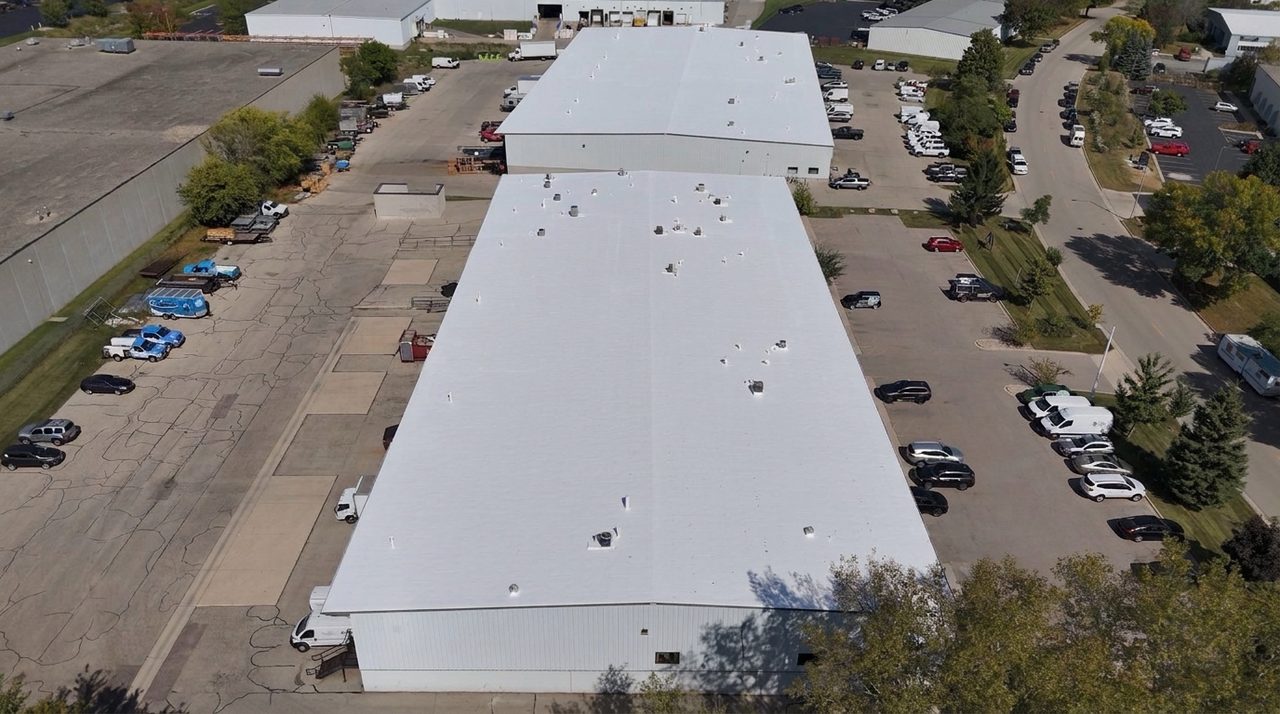
No-cost commercial roof inspection

Get a Free Inspection from a Conklin-Trained Contractor

Our nationwide network of Conklin-trained commercial roofing contractors will assess your roof, document its condition, and recommend the right restoration system — at no cost and no obligation.