What is the Best Roof Material for Solar Panels
What is the Best Roof Material for Solar Panels?
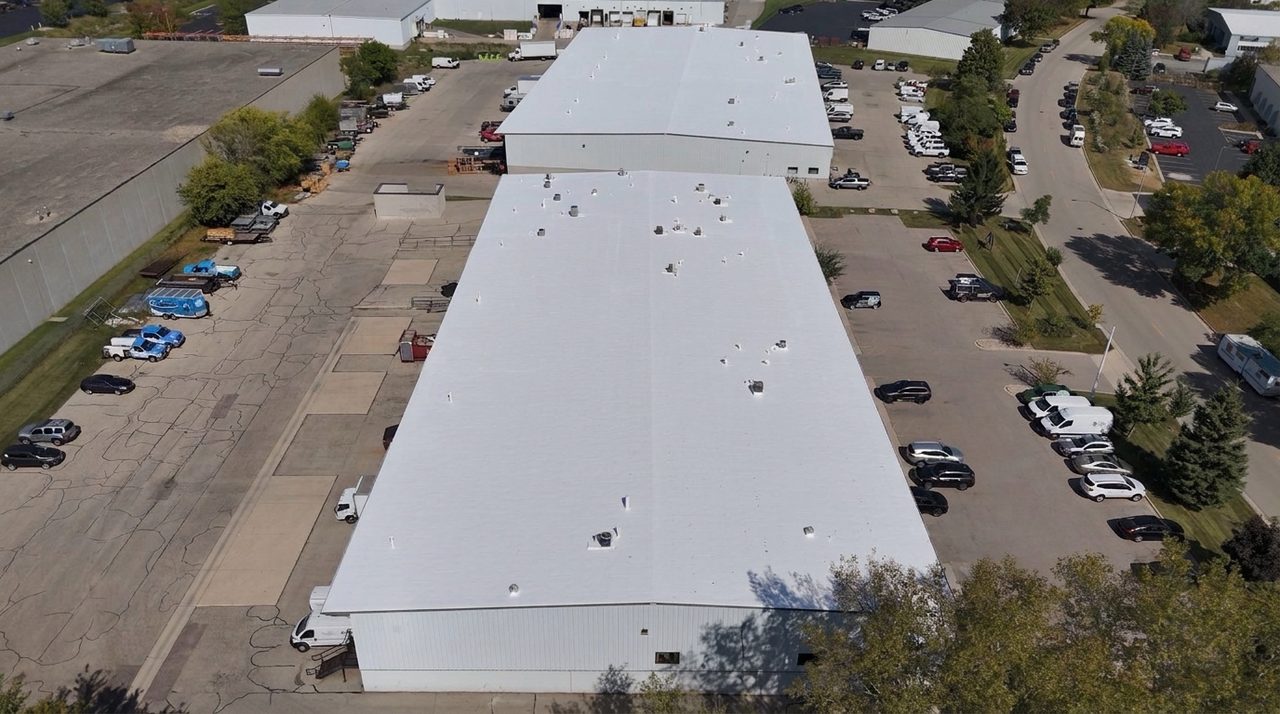
What is the best roof material for solar panels? For most commercial buildings, the best roof material for solar panels is one that is durable, long-lasting, and can reflect sunlight to improve panel efficiency. White-coated systems, whether over metal, EPDM, or other flat roof types, often perform best because they protect the roof and help the panels work better.You're considering solar panels for your building.
You're looking into adding solar panels to your commercial property to save on energy costs. You want to make sure your roof is ready for them and that you pick a roofing material that will support the solar system for its full lifespan, or even longer. You might also be wondering if your roof can help the panels work better.A weak roof can undermine your solar investment.
Solar panels are a big investment. They are designed to last 25-30 years. If your roof isn't in good shape, it can cause problems for your solar panels. A failing roof under the panels means you might have to remove the panels, fix the roof, and then reinstall the panels. This is expensive and wastes the energy savings you're trying to achieve. Leaks from a bad roof can damage electrical components. Also, a dark roof absorbs heat, which can make solar panels less efficient. You want your roof to last as long as or longer than your solar panels, and ideally, help them perform their best.Install a durable, reflective roof system.
You can get the most out of your solar panels by installing them on a roof that's built to last and designed to work with them. Here's how different roof types stack up and how we make them ready for solar: Most commercial buildings have flat roofs. This means solar panels often need special mounts or racks to angle them toward the sun. These mounts add weight and penetrate the roof, making a strong, watertight roof system even more important. Here are common commercial roof types and how they work with solar:Metal Roofs
Metal roofs are very durable and can last 30-50 years or more. This long lifespan usually outlasts solar panels. They stand up well to weather and can be coated. We can restore existing metal roofs with a Conklin metal roof coating system. This system applies a white acrylic coating that reflects sunlight. This helps keep the building cooler and can make the solar panels more efficient because the air around them is cooler. In snowy areas, metal roofs can also radiate some heat, helping snow slide off and keeping the panels clear.EPDM Roofs
EPDM (rubber) roofs are common but can develop issues at seams over time, leading to leaks. They typically last 20-30 years. Like metal roofs, EPDM can also be restored with a white coating. A Conklin EPDM roof coating system seals seams and protects the membrane, extending its life. The white surface reflects sunlight, reducing the roof's temperature and potentially boosting solar panel output.PVC Roofs
PVC roofs are known for their durability, lasting 25-30 years. They are resistant to fire, wind, chemicals, and punctures. They naturally come in light colors, which reflect sunlight. We can also restore PVC roofs with a Conklin acrylic coating to extend their life and maintain their reflectivity.Other Flat Roofs
Many other flat roof types, like Modified Bitumen or BUR (Built-Up Roof), can also be restored. A Conklin flat roof coating system creates a seamless, watertight, white surface. This not only extends the life of the existing roof but also provides the benefits of solar reflectivity, which helps solar panels perform better.How We Make it Happen (Our Process)
When you choose us, a contractor installing Conklin systems will visit your site. They will:- **Inspect Your Roof:** We'll check the current condition of your roof, including the deck, insulation, and membrane. We look for water damage, soft spots, and areas that need repair.
- **Address Issues:** Any wet insulation must be removed and replaced. Soft or damaged deck areas need to be fixed. If the roof is too far gone – meaning it's failed in multiple areas or has widespread wet insulation – a restoration may not be possible, and a full tear-off and replacement might be needed. We'll be honest with you about this.
- **Clean and Prepare:** The roof surface is thoroughly cleaned to remove dirt, debris, and contaminants.
- **Repair and Reinforce:** All cracks, seams, and penetration points (like around vents or solar panel mounts) are sealed and reinforced. This creates a watertight base.
- **Apply Base Coat:** A base layer of acrylic coating is applied.
- **Apply Top Coat:** One or more top coats of highly reflective, white acrylic coating are then applied. This creates a seamless, durable, and reflective membrane over your entire roof. This new surface protects your roof from the elements and helps your solar panels work more efficiently.
Frequently Asked Questions
Does a white roof really help solar panels?
Yes, a white roof helps. It reflects sunlight instead of absorbing it, keeping the roof surface and the air around it cooler. Solar panels work more efficiently in cooler temperatures, so a reflective white roof can help them produce more electricity.How long does a Conklin roof coating last under solar panels?
Warranty terms depend on the system, the roof's condition and manufacturer approval; ask the contractor to put them in writing before work starts. This lifespan is comparable to or often exceeds the expected life of many solar panel systems.What if my roof has leaks before I install solar panels?
It's crucial to fix any leaks and address underlying issues like wet insulation before installing solar panels or applying a coating. Our restoration process specifically addresses these problems, creating a seamless, watertight surface that will protect your building and your solar investment for the long term. Ready to prepare your roof for solar panels? Contact a contractor installing Conklin systems near you. We offer free, on-site inspections to assess your roof's condition and recommend the best solution. Call us today at (309) 303-3128 or visit our contact page to schedule your inspection.Keep Reading on This Site
Industry Sources
- Metal Construction Association(opens in a new tab)
Metal roof panel and fastener standards.
- Cool Roof Rating Council. Building Owner Resources(opens in a new tab)
How reflective roof surfaces lower cooling load.
- U.S. EPA. Using Cool Roofs to Reduce Heat Islands(opens in a new tab)
Measured surface-temperature and energy impacts.
Frequently Asked Questions
What is pvc roofing?
The primary advantage of PVC roofing is its durability. While it won’t direct solar energy towards your panels, it’s longer lasting than most other commercial roofing materials. Solar panels can last a long time, 25 to 30 years at high efficiency, and even longer with lower efficiency.
What is epdm roofing?
EPDM roofing has some disadvantages compared to PVC. Expansion and contraction can lead to tears and gaps near the seams, which can then lead to leaks. In addition, water damage can affect panels, and roof collapse becomes even more catastrophic when your roof is housing solar panels.
What is metal roofing?
Metal roofing, even if it’s a retrofit, is often the most expensive roofing option. For many businesses, however, it’s absolutely worth the cost. First, the lifespan of metal roofing will typically exceed that of any other roofing system. Metal roofs with a 50+ year lifespan are not unheard of.
How do you maintain what is the best roof material for solar panels?
For the most part, solar panels are incredibly durable. The main risk to their efficiency comes from abrasion. That means you should be very careful if you decide to clean your panels, scratches can seriously impede their ability to generate electricity. The other chief risk to panels is roofing problems.