Flat Roof Coatings: What They Fix and When to Use One
What does a flat roof coating do?
It turns a roof made of overlapping pieces into one continuous surface. A fluid-applied coating is rolled or sprayed over the existing low-slope roof, seams and penetrations are reinforced with fabric, and the whole thing cures into a seamless reflective membrane. Water has nowhere to work its way in, because there are no laps left to work into.
The symptom: the roof is holding water and losing color
The usual signs on a low-slope roof are ponding that is still there two days after rain, a membrane that has gone chalky and brittle in the sun, seams that have lifted at the corners, and small leaks that show up near rooftop equipment first.
None of that means the building needs a new roof. It means the surface has run out of protection.
The problem: flat roofs fail at the joints
Every low-slope system, whether it is EPDM, TPO, modified bitumen, or built-up, is assembled from sheets or rolls. Those sheets are joined with adhesive, tape, or heat. Ten to twenty years of expansion, contraction, foot traffic, and UV works on every one of those joints.
Patching individual seams treats the joint that failed today and ignores the fifty next to it that are the same age and in the same condition.
The solution: restore the whole plane
A Conklin restoration follows a fixed sequence, and skipping steps is how coating jobs fail:
- Moisture survey. Wet insulation is located and removed. This is not optional.
- Clean. The roof is power washed so the coating bonds to the membrane instead of to dirt.
- Detail. Seams, laps, drains, curbs, and penetrations get reinforcing fabric set in base coat.
- Coat. Base coat and top coat over the full surface at the specified thickness.
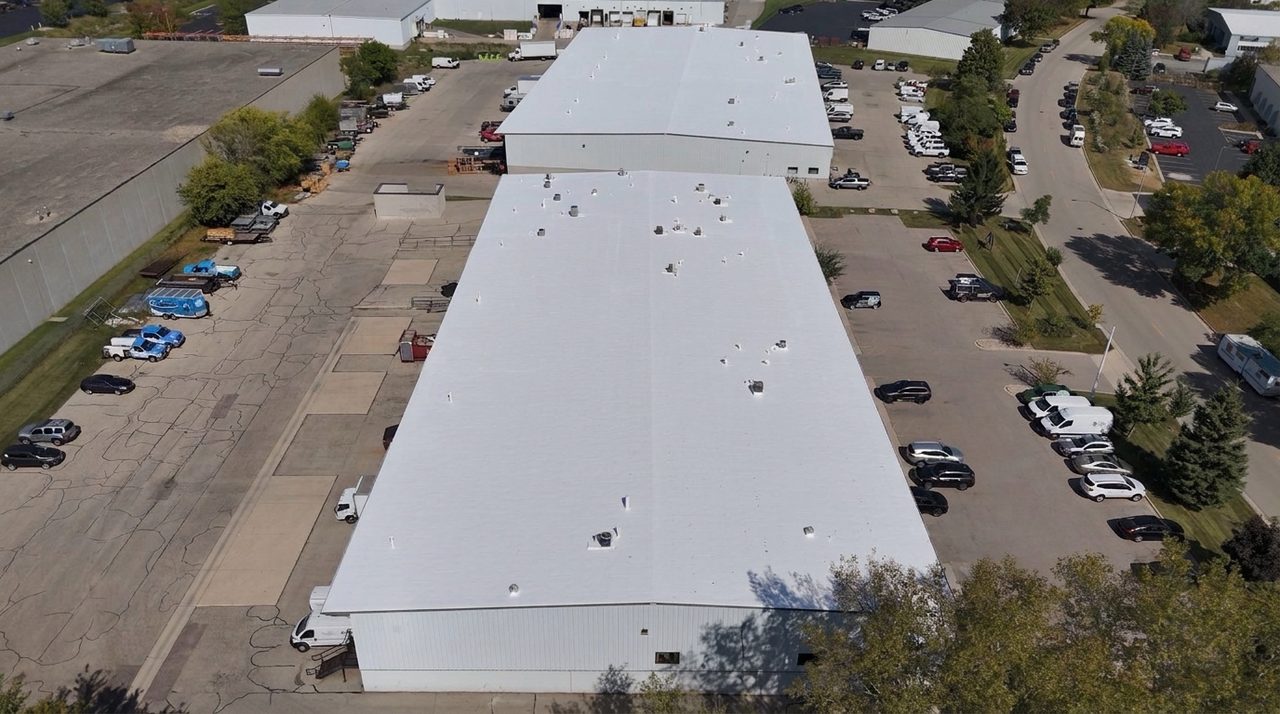
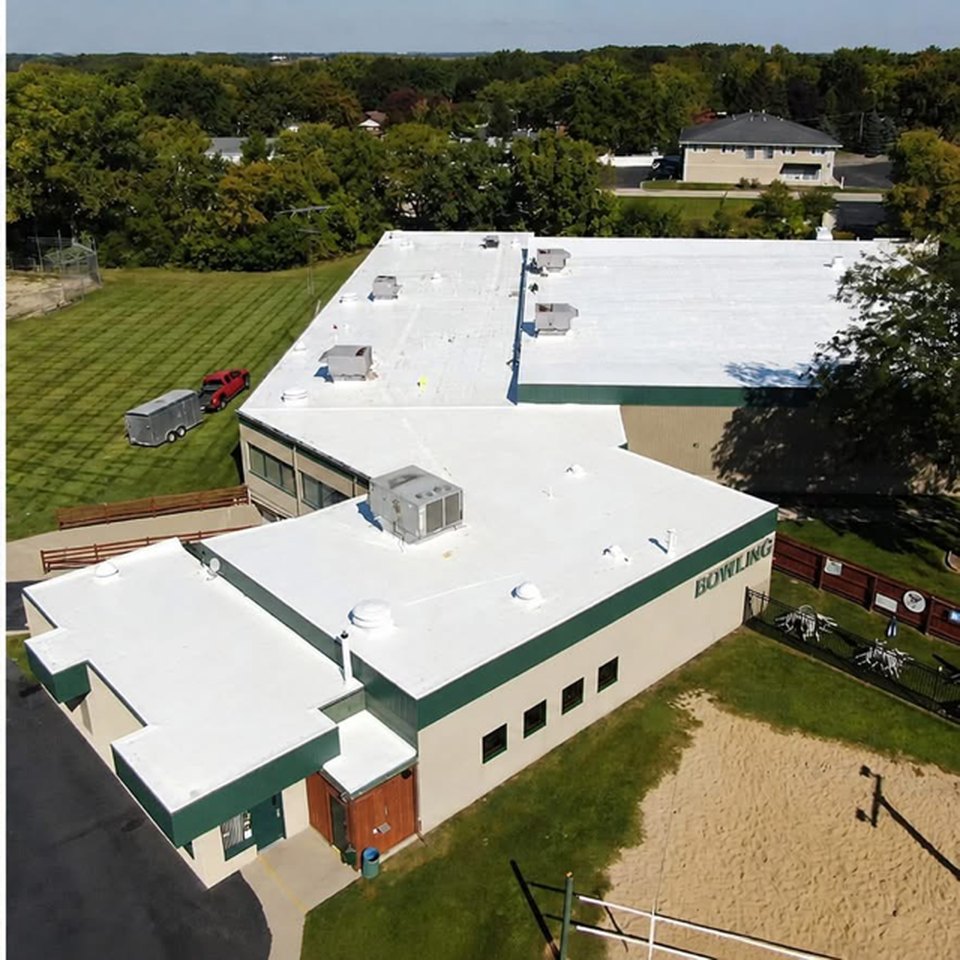
The result is a white reflective membrane with no seams, backed by a manufacturer warranty, installed without a tear-off. The building underneath keeps operating the whole time, which for a retail store, clinic, or plant is often worth more than the material savings.
When a coating is the wrong answer
If the insulation is saturated, coating traps that water permanently. If the deck is structurally compromised, a coating adds nothing structural. If the existing membrane has delaminated from the deck, there is nothing to bond to.
Any of those and you need a tear-off, or at least section replacement before restoration. A contractor who quotes a coating without probing for moisture is guessing with your building.
Related: what commercial roof coatings do, common flat roof problems, and restoring an EPDM roof.
Talk to a Conklin-trained contractor near you
No article can tell you what your roof needs. Whether your roof can be coated comes down to whether the insulation under it is dry. A contractor has to walk it, check the seams and penetrations, and look at the deck before anyone gives you a real answer.
White Roofing Systems coordinates Conklin-trained commercial roofing crews across the country. Call (309) 303-3128 or request a free roof inspection and we will route you to the contractor who covers your city. You can also browse the contractor directory by city and state or look through real before-and-after projects.
Keep Reading on This Site
Industry Sources
- National Roofing Contractors Association(opens in a new tab)
Low-slope roofing installation standards.
- Cool Roof Rating Council. Building Owner Resources(opens in a new tab)
How reflective roof surfaces lower cooling load.
- U.S. EPA. Using Cool Roofs to Reduce Heat Islands(opens in a new tab)
Measured surface-temperature and energy impacts.
Frequently Asked Questions
What are flat roof coatings?
Now is the time for commercial building owners to look at flat roof coatings in a new light!
Why does flat roof coatings matter for commercial buildings?
Still, because there are so many different types of roofs in use today, specifying a flat roof coating isn’t easy. Different substrates require different coatings. A roof coating’s adhesion might depend as much on the substrate’s characteristics as on the coating type.
What should building owners know about flat roof coatings?
A coating’s adhesion to a substrate often improves when the installers put down a primer before applying the roof coatings. Roof coating manufacturers recommend certain primers for managers trying to match a specific topcoat with a specific substrate.
How does flat roof coatings affect roof performance?
With the introduction of roof membranes such as ethylene propylene diene monomer (EPDM), polyvinyl chloride (PVC), thermal polyolefin (TPO), Hypalon, modified bitumen, and built-up roofing, manufacturers have developed a variety of flat roof coatings to address multiple substrates with different adhesion and…