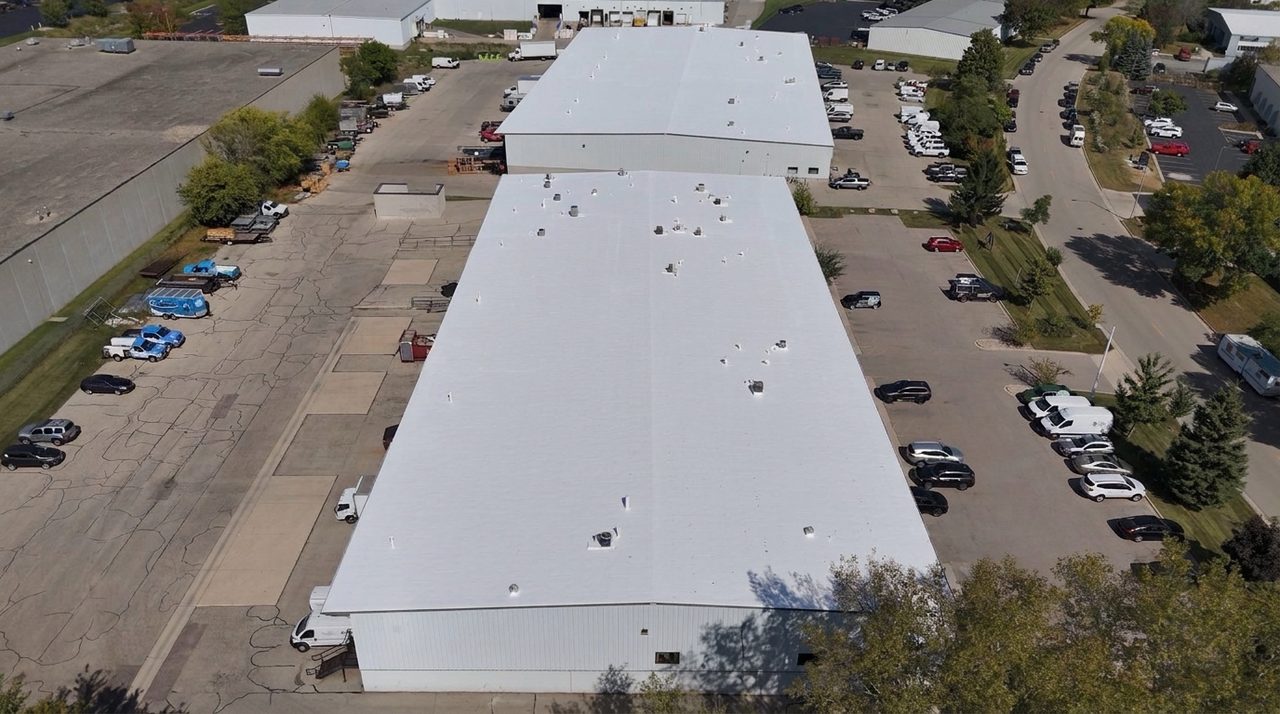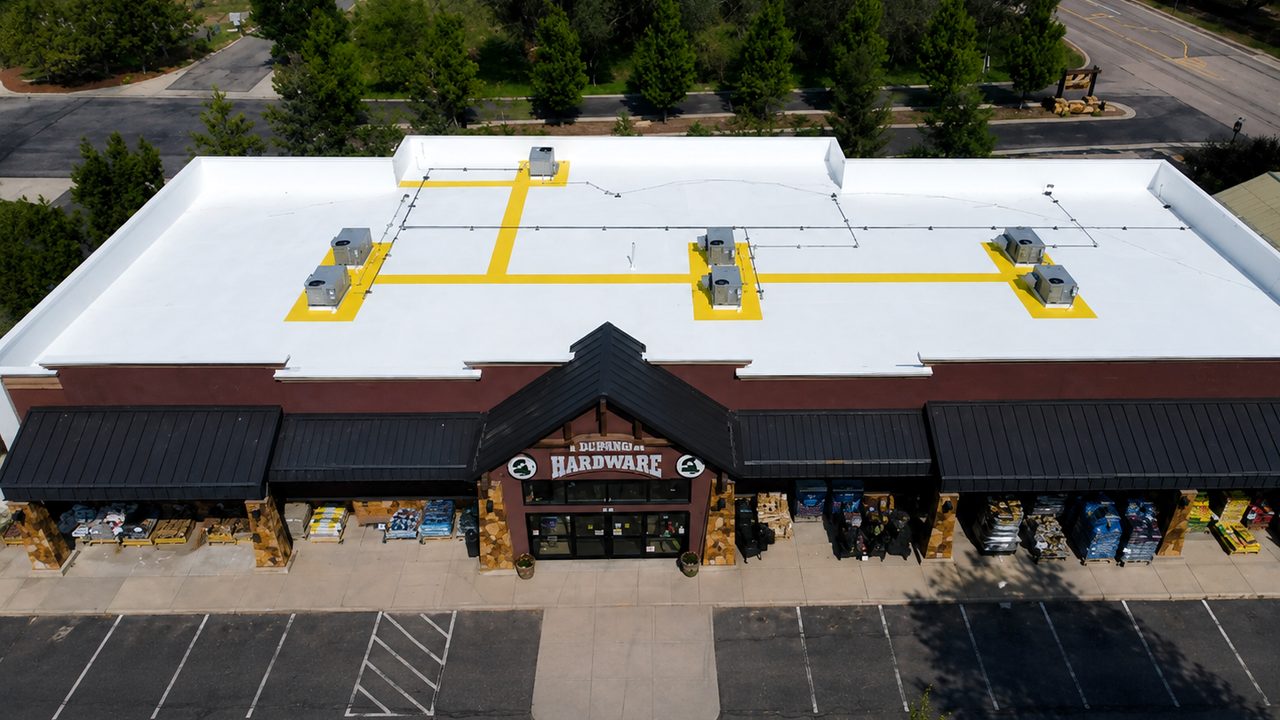
Flat Roof Problems
Common Problems with Commercial Flat Roofs
What are the common problems with commercial flat roofs? Commercial flat roofs often run into problems like leaks, ponding water, UV damage, and membrane deterioration. These issues usually come from poor installation, lack of maintenance, or simply the age of the roof system. If left alone, they can lead to costly water damage and early roof replacement.What You See or Experience
You might see water stains on your ceiling, especially after it rains. There could be puddles on the roof that don't drain, even days after the rain stops. The roof material itself might look cracked, blistered, or split. You might also notice higher energy bills because the roof isn't insulating as well as it should. Sometimes, a flat roof can sag or warp in places, holding more water than it used to.Why It Happens and What It Costs If Ignored
Commercial flat roofs aren't truly flat; they have a slight slope to drain water. When this slope is incorrect or drains get blocked, water sits on the roof, creating "ponding." This water finds tiny cracks and weak spots, leading to leaks. Over time, sunlight (UV rays) breaks down most roofing materials, making them brittle and prone to cracking. Heat and cold cycles also cause materials to expand and contract, which can pull seams apart. Poor installation, like bad flashing around vents or edges, is another big reason for leaks. If you ignore these signs, small problems turn into big ones. Ponding water stresses the roof deck and can lead to structural damage. Leaks cause damage to the insulation below the roof, making it heavy and useless, and can damage interior walls, equipment, and products. Mold can grow. The entire roof system will fail much faster than it should, forcing you into a full, expensive tear-off and replacement sooner rather than later.How We Restore Your Flat Roof
Our approach to fixing flat roof problems usually starts with a thorough inspection. We look for the source of the leaks, check the roof's structure, and assess the overall condition of the existing membrane and insulation. 1. Inspection: We'll get up on your roof and inspect it from edge to edge. We look for ponding water, soft spots, blisters, cracks, and check all the flashing around vents, pipes, and parapet walls. We'll find out if the insulation underneath is wet, which is a key factor. 2. Cleaning and Prep: The roof needs to be clean for our coatings to stick properly. We'll power wash the surface to remove dirt, debris, and any loose materials. Any major repairs, like filling cracks or fixing areas where water has caused damage, are done next. If the insulation is wet, we'll need to remove and replace the wet sections. If too much of the roof's insulation is wet or the roof deck is too damaged, a coating system isn't the right fix, and we'll tell you that honestly. 3. Seam Reinforcement: Flat roofs often fail at the seams. We apply a strong fabric and acrylic coating over all seams, penetrations, and flashing. This creates a seamless, watertight barrier where the roof is most vulnerable. 4. Base Coat Application: Once seams are reinforced, we apply a base coat of our Conklin acrylic roofing system. This layer bonds to the existing roof and provides a flexible, durable foundation. 5. Top Coat Application: Finally, we apply one or two reflective top coats. These white acrylic coatings reflect sunlight, which stops the roof material from breaking down and significantly lowers the temperature inside your building. This reflectivity is what makes our systems so energy-efficient. Our contractors installing Conklin systems are careful to make sure these steps are done right. A quality coating system, properly installed, can add years to your flat roof, solve your leak issues, and lower your energy bills.Frequently Asked Questions
Can a flat roof be restored if it's already leaking?
Yes, often it can. Many leaks come from old, cracked membranes or failing seams. Our commercial roof restoration systems are designed to seal these leaks and provide a new, seamless, watertight surface right over your existing roof, as long as the underlying structure and insulation aren't too far gone.How long does a restored flat roof last?
Service life depends on the roof's condition, the system used and how well it is maintained; ask the contractor to put the expected service life in writing. The actual lifespan depends on the specific system chosen, the condition of the original roof, and proper maintenance. Warranty terms depend on the system, the roof's condition and manufacturer approval; ask the contractor to put them in writing before work starts.Is a roof coating system cheaper than a full roof replacement?
In most cases, yes. A coating system usually costs less than half the price of tearing off and replacing an entire flat roof. This is because we're restoring the existing roof, not removing it and sending it to a landfill. It also means less disruption to your business operations. Don't let flat roof problems turn into a major expense. If you're seeing signs of trouble, the best step is to get a professional evaluation. Our contractors installing Conklin systems can inspect your commercial flat roof and give you an honest assessment of its condition and the best solutions. Call us at (309) 303-3128 or visit our contact page to schedule an inspection.Keep Reading on This Site
Industry Sources
- National Roofing Contractors Association(opens in a new tab)
Low-slope roofing installation standards.
- Cool Roof Rating Council. Building Owner Resources(opens in a new tab)
How reflective roof surfaces lower cooling load.
- U.S. EPA. Using Cool Roofs to Reduce Heat Islands(opens in a new tab)
Measured surface-temperature and energy impacts.
Frequently Asked Questions
Why does don’t let your commercial flat roof look like this matter?
Flat roofs have been known as being problematic, with many suffering leaks. However, in our experience, issues with leaking flat roofs are mainly as a consequence of either poor installation of the roof membrane, poor maintenance by the landlord or as a result of time.
Why does few tips for designing and managing flat roofs matter?
When a roofer is employed to do the work, make sure they have the experience, knowledge, and insurance to carry out the job. References should be checked and a technician, or architect, engaged in specifying, detail and inspecting the work. The detailing at the design stage is critical.