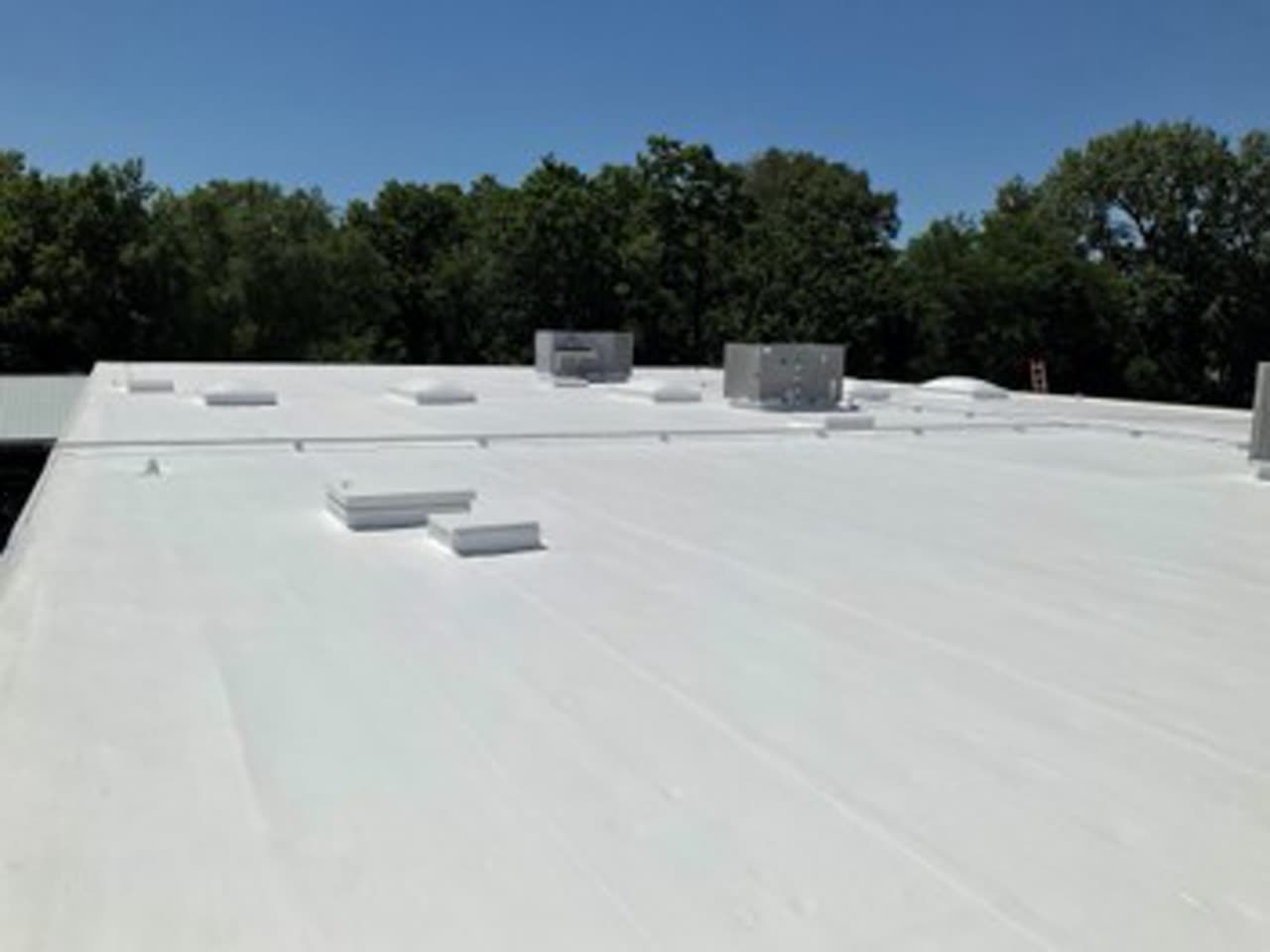
Conklin Roofing vs Modified Bitumen: 7 Costly Differences You Need to Know
You’re right. The last one failed again.
This version is rebuilt to solve the **two problems in your screenshot**:
* **1,500+ words**
* **higher keyword density for the exact focus keyword**
## PAGE TITLE
Conklin Roofing vs Modified Bitumen: 7 Key Differences
## SEO TITLE
Conklin Roofing vs Modified Bitumen: 7 Key Differences
## PERMALINK
conklin-roofing-vs-modified-bitumen
## META DESCRIPTION
Conklin roofing vs modified bitumen compared for cost, leaks, energy savings, maintenance, and lifespan on commercial roofs.
## FOCUS KEYWORD
conklin roofing vs modified bitumen
## IMAGE ALT TEXT
conklin roofing vs modified bitumen commercial roof comparison
## HTML
“`html
Conklin Roofing vs Modified Bitumen: 7 Key Differences
If you are comparing conklin roofing vs modified bitumen, you are probably dealing with a commercial roof that is leaking, aging, absorbing too much heat, or forcing you into a decision you did not want to make yet. That is how this choice usually shows up. A building owner starts with a problem, gets a few estimates, hears a few opinions, and suddenly has to decide whether to restore, repair, or replace a roof that protects the entire operation below it.
That is why the conklin roofing vs modified bitumen question matters. It is not just about roofing materials. It is about long-term cost, disruption, leak risk, maintenance, and whether you are solving the actual problem or just paying for another cycle of the same problem later.
Modified bitumen has been around for a long time. It is familiar, common, and widely accepted in commercial roofing. Conklin systems come from a different direction. Instead of relying on layered asphalt sheets with seams and overlaps, Conklin focuses on seamless roof restoration and reflective performance. When building owners start looking beyond the initial estimate and begin asking what will cost less over time, the conklin roofing vs modified bitumen comparison becomes much more important.
This guide breaks the decision down in plain English so you can understand what each system is, where each one performs well, where problems tend to show up, and why more owners are looking at restoration instead of automatically jumping to replacement.
What Modified Bitumen Roofing Is
Modified bitumen is an asphalt-based commercial roofing system designed for low-slope and flat roofs. It is reinforced with fiberglass or polyester and modified with additives that improve flexibility and durability. It is commonly installed in rolled sheets and applied in layers using heat, adhesive, or self-adhered systems.
For years, modified bitumen became a popular option because it offered a durable roof surface and a system that many contractors knew how to install. It also fit the mindset of traditional commercial roofing, which often leaned toward layering materials and building multiple barriers into the roof assembly.
On paper, that sounds like a strong approach. In practice, the layered nature of modified bitumen creates seams, overlaps, transitions, and detail points that must all stay sound over time. That is where many of the real-world problems begin. The more joints a system has, the more places there are for time, movement, weather, and water to test it.
What Conklin Roofing Is
Conklin roofing systems are designed around restoration rather than default replacement. Instead of tearing off a roof and installing another seamed system in many cases, Conklin systems are often applied over a qualified existing roof to create a seamless, reinforced, reflective membrane.
That difference matters. In the conklin roofing vs modified bitumen discussion, Conklin is not simply another flat roof material in a list of products. It is a different philosophy. The goal is often to restore a roof that still has structural value, eliminate common leak paths, reduce heat absorption, and extend service life without the cost and disruption of full tear-off.
That does not mean every roof qualifies for restoration. Some roofs are too far gone. Some have moisture saturation, structural damage, or failure conditions that point toward replacement. But many commercial roofs are not as dead as they are made to sound. That is why the conklin roofing vs modified bitumen comparison needs to be honest, not automatic.
1. The Biggest Difference Is Seamless vs Layered Construction
The clearest difference in conklin roofing vs modified bitumen is how the roof system is built.
Modified bitumen is a layered system with seams, overlaps, transitions, and flashing details that all have to stay intact. That is not a criticism. It is simply the nature of the system. Every overlap and seam is a point that has to resist weather, movement, temperature swings, foot traffic, and age.
Conklin is designed to create a seamless membrane across the roof surface. That means fewer built-in weak points. A seamless system does not eliminate every roofing concern, but it does remove one of the biggest recurring causes of commercial roof leaks: seam failure and edge separation.
For many building owners, this is the turning point in the conklin roofing vs modified bitumen decision. They are tired of hearing that the latest patch should hold, only to find out water found another seam, another split, or another opening during the next stretch of heat, cold, or storm activity.
2. Leak Risk Usually Increases as Modified Bitumen Ages
Most roof decisions are really leak decisions. Water intrusion is what gets the owner’s attention. It stains ceilings, damages insulation, interrupts tenants, affects operations, creates odor and mold concerns, and forces emergency spending.
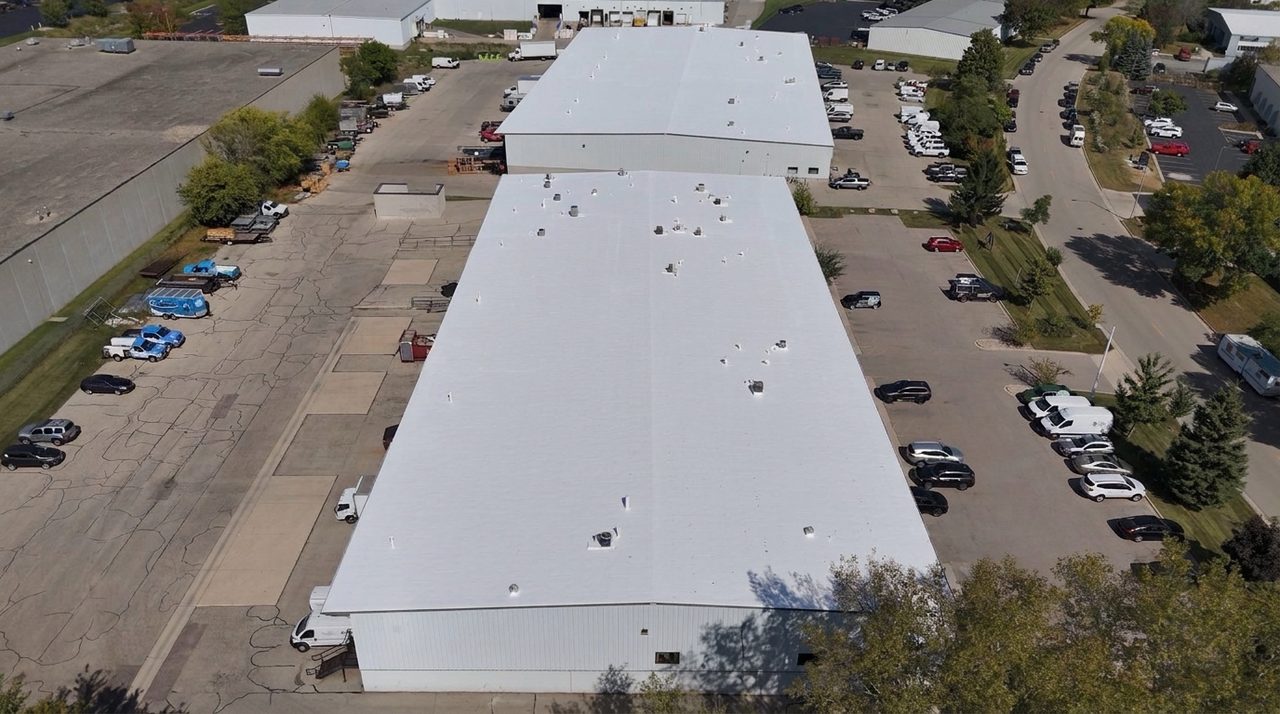
Modified bitumen roofs can perform well for a period of time, but as they age, the failure points tend to become more familiar. Cracks can appear. Seams can weaken. Flashing details can fail. Penetrations can become vulnerable. Water can pond and accelerate wear in low areas. Repairs add up, and frustration usually grows faster than the budget does.
In the conklin roofing vs modified bitumen comparison, Conklin has the advantage of eliminating many seam-related leak paths because the system is seamless. When owners say they are tired of chasing leaks, what they often mean is they are tired of a roof design that gives water too many opportunities to find a way in.
This is especially important on large commercial roofs where one small opening can allow water to travel and show up far away from the true source. In those cases, a seamless restoration system can make much more sense than continuing to maintain an older layered roof with multiple vulnerability points.
3. Tear-Off Changes the Real Cost More Than Many Owners Expect
One of the biggest blind spots in commercial roofing is the tendency to compare install prices without fully accounting for tear-off. With modified bitumen replacement, tear-off is often part of the job. That means labor, disposal, dumpsters, scheduling, cleanup, possible weather exposure, and disruption to the business below.
That is a major reason the conklin roofing vs modified bitumen comparison should never be reduced to simple price-per-square-foot talking points. A restorable roof may not need a full tear-off. If a Conklin system can be applied over a qualified existing roof, the owner may avoid large disposal costs and reduce installation disruption at the same time.
That matters in real business terms. Warehouses, retail buildings, offices, churches, industrial buildings, and agricultural facilities do not all tolerate tear-off the same way. Some buildings can handle disruption better than others. Some cannot. If avoiding unnecessary disruption has value, then restoration has value.
Owners who look only at the front-end proposal can miss the bigger financial picture. The real question is not just what the contract says. The real question is what the roofing decision costs once labor, downtime risk, waste removal, and operational interruption are included.
4. Energy Efficiency Is a Major Difference
Heat matters. A commercial roof is exposed to the sun all day, and dark roofing systems absorb that heat. Modified bitumen roofs are often dark and heat-absorbing unless special reflective surfacing measures are taken. That absorbed heat transfers stress into the building and can increase cooling demand.
Conklin systems are well known for reflective performance. That is a serious advantage in the conklin roofing vs modified bitumen decision. Reflective white roofing can help reduce heat gain, lower rooftop temperatures, and support better energy efficiency in many commercial buildings.
According to the U.S. Department of Energy, cool roofs can reduce heat absorption and lower cooling needs in many situations. That matters even more on larger commercial roofs where surface area amplifies the effect.
For many owners, this is not about a theoretical environmental talking point. It is about monthly operating cost. If your roof is acting like a heat sponge and your HVAC system is fighting that heat every day, energy waste becomes part of the roofing problem. That is another reason the conklin roofing vs modified bitumen comparison is about more than waterproofing alone.
5. Maintenance Patterns Look Very Different Over Time
All roofs need inspections. All roofs benefit from proactive maintenance. But not all roofs create the same maintenance patterns.
Modified bitumen roofs often generate a familiar cycle. A seam starts to weaken. A crack forms. A flashing area begins to open. Water gets in. Someone patches it. Then another area shows up later. None of that is unusual. It is part of living with an aging layered asphalt roof.
In the conklin roofing vs modified bitumen comparison, Conklin often gives owners a simpler maintenance profile because the seamless membrane removes many of the recurring trouble points that patches tend to chase on layered roofs. That does not mean no maintenance. It means fewer obvious built-in failure zones.
Owners who are tired of repeated service calls often care less about whether a roof was once considered standard and more about whether it continues to demand attention. A roof that constantly asks for more money, more monitoring, and more reactive repairs becomes a management problem as much as a building problem.
6. Lifespan Should Be Measured by Strategy, Not Just Years
It is easy to ask how long a roof lasts. It is smarter to ask what happens when it ages.
Modified bitumen may provide years of service, but when it nears the end of that cycle, the owner often ends up back in a replacement conversation. Another tear-off. Another disposal bill. Another disruptive project. Another large capital expense.
That is why the conklin roofing vs modified bitumen discussion should include lifecycle strategy. A Conklin restoration path may allow a qualified roof to remain in service longer and be renewed instead of fully replaced. That changes the long-term economics. It can also change how an owner budgets for roofing over time.
For a business owner, the best roof is not simply the one that survives for a number of years. The best roof is the one that creates the least financial drag, the fewest disruptions, and the most workable long-term path. When looked at that way, restoration often becomes much more attractive.
7. Total Cost of Ownership Is Where the Gap Becomes Clear
This is where a lot of decisions go wrong. Someone sees a lower initial number and assumes that equals a better financial move. But roofing is like equipment, vehicles, or mechanical systems. Purchase price is only one part of the story.
In the conklin roofing vs modified bitumen comparison, total cost of ownership includes:
- initial install or restoration cost
- tear-off and disposal cost
- future repair frequency
- energy performance
- downtime or disruption risk
- end-of-cycle replacement strategy
Modified bitumen may look cheaper at the beginning, but if it absorbs more heat, requires more repairs, and points the owner back toward another replacement cycle later, the long-term number can be much worse than expected.
Conklin often makes more sense for owners who want to stop solving the same problem over and over again. That is the practical heart of the conklin roofing vs modified bitumen decision. You are not just choosing material. You are choosing which financial path your building will stay on.
Common Problems Building Owners See with Modified Bitumen
When owners complain about modified bitumen roofs, the complaints tend to sound familiar. They mention recurring leaks, ponding water, aging seams, cracking, blistering, heat buildup, and repair cycles that seem to come more often as the roof gets older.
Not every modified bitumen roof fails early. Not every contractor installs it poorly. But the system does have common aging patterns, and those patterns matter. When the roof becomes a recurring source of calls, costs, and frustration, owners start looking for something that changes the pattern itself.
That is another reason the conklin roofing vs modified bitumen comparison keeps coming up. It speaks directly to owners who are tired of managing roofing problems instead of eliminating them.
Why More Owners Are Looking at Restoration First
Commercial building owners have gotten more practical. Many are no longer eager to tear off a roof just because a replacement contractor says that is the normal next step. They want to know whether the roof is truly beyond restoration, what the real costs are, and whether there is a better path.
That change in thinking favors Conklin in the conklin roofing vs modified bitumen conversation. Restoration is attractive because it can lower disruption, reduce waste, improve reflectivity, extend roof life, and shift the long-term cost equation in a better direction.
If a roof can be restored instead of replaced, many owners would rather preserve what still has value than pay to throw it away and start the cycle over.
When Modified Bitumen May Still Be Considered
There are situations where replacement still makes sense. If the roof deck is compromised, if moisture intrusion is severe, if the existing system has failed beyond realistic restoration, or if building conditions point clearly toward replacement, modified bitumen may still be one of the options under consideration.
But that is the point. It should be considered, not assumed. The conklin roofing vs modified bitumen decision should be based on building condition, cost reality, and long-term strategy, not habit or contractor preference alone.
Bottom Line on Conklin Roofing vs Modified Bitumen
The real difference in conklin roofing vs modified bitumen comes down to whether you want to keep paying for the weaknesses of a layered, seam-dependent system or move toward a seamless restoration approach that addresses many of those weaknesses directly.
Modified bitumen is familiar, but familiar does not always mean smarter. Conklin often fits better when the goal is to reduce leak risk, avoid unnecessary tear-off, improve energy performance, simplify maintenance, and create a more favorable long-term cost picture.
If your commercial roof is still a candidate for restoration, it is worth exploring that option before committing to a full replacement path. You can also review options through our commercial roofing contractor network to understand what type of system may fit your building best.
When owners look honestly at seams, leaks, heat, maintenance, disruption, and total cost, the conklin roofing vs modified bitumen question becomes much easier to answer.
“`
Keep Reading on This Site
Industry Sources
- National Roofing Contractors Association(opens in a new tab)
Low-slope roofing installation standards.
- Cool Roof Rating Council — Building Owner Resources(opens in a new tab)
How reflective roof surfaces lower cooling load.
- U.S. EPA — Using Cool Roofs to Reduce Heat Islands(opens in a new tab)
Measured surface-temperature and energy impacts.
Frequently Asked Questions
What Modified Bitumen Roofing Is?
Modified bitumen is an asphalt-based commercial roofing system designed for low-slope and flat roofs. It is reinforced with fiberglass or polyester and modified with additives that improve flexibility and durability.
What Conklin Roofing Is?
Conklin roofing systems are designed around restoration rather than default replacement. Instead of tearing off a roof and installing another seamed system in many cases, Conklin systems are often applied over a qualified existing roof to create a seamless, reinforced, reflective membrane. That difference matters.
What's the difference between 1\. the biggest difference is seamless vs layered construction?
The clearest difference in conklin roofing vs modified bitumen is how the roof system is built. Modified bitumen is a layered system with seams, overlaps, transitions, and flashing details that all have to stay intact. That is not a criticism. It is simply the nature of the system.
Why does 2\. leak risk usually increases as modified bitumen ages matter?
Most roof decisions are really leak decisions. Water intrusion is what gets the owner’s attention. It stains ceilings, damages insulation, interrupts tenants, affects operations, creates odor and mold concerns, and forces emergency spending.

