Conklin Seamless Roofing vs EPDM: Stop Commercial Roof Leaks
Conklin Seamless Roofing vs EPDM: Stop Commercial Roof Leaks
What's the difference between Conklin seamless roofing and EPDM for stopping commercial roof leaks? Conklin seamless roofing systems prevent leaks by coating your entire roof in a single, unbroken membrane, eliminating the seams that are common failure points in EPDM rubber roofs. This approach often allows you to restore an existing EPDM roof instead of replacing it, fixing leaks for good.Leaking EPDM Roof
You're seeing water stains on ceilings, drips during rainstorms, or puddles forming inside your building. You might also notice dark, chalky streaks on the outside of your building, which can be a sign of water escaping the roof system. Sometimes, a soft, spongy feeling when walking on the roof also points to trapped water.EPDM Seams Fail, Leading to Costly Damage
EPDM roofs are made from large sheets of rubber glued or taped together at the seams. Over time, sunlight, heat, cold, and building movement cause these seams to expand, contract, and pull apart. The adhesives weaken, and the tape dries out. Once a seam opens up, water gets in. This water can then travel far from the entry point, making leaks hard to find and fix. Every patch you put down is another temporary fix, often just creating new weak spots as the original problem isn't truly solved. Left alone, these leaks damage insulation, deck, and the building's interior, leading to expensive repairs, mold growth, and operational disruptions. Eventually, if ignored long enough, the roof can become too damaged to restore, leaving replacement as the only choice.A Seamless, Durable Membrane
Our contractors installing Conklin systems install Conklin roofing systems, which are designed to eliminate the main weakness of EPDM: seams. Instead of laying down sheets, we clean and prepare your existing EPDM roof. Then, we apply a fluid coating, often reinforced with fabric, directly over the entire surface. This creates a single, continuous, seamless membrane that covers your whole roof. No seams mean no places for water to get in. Here's how we do it:- **Inspect:** First, we do a thorough inspection of your existing EPDM roof. We check for damaged areas, assess the condition of the seams, and look for any wet insulation.
- **Repair:** We fix any structural issues on the roof deck and replace any sections of insulation that have become wet. We also make necessary repairs to the existing EPDM membrane, preparing it for the coating.
- **Clean:** The roof surface is thoroughly cleaned to remove dirt, debris, and any contaminants. This ensures the coating adheres properly.
- **Prime:** A primer is applied to ensure a strong bond between the EPDM and the new coating.
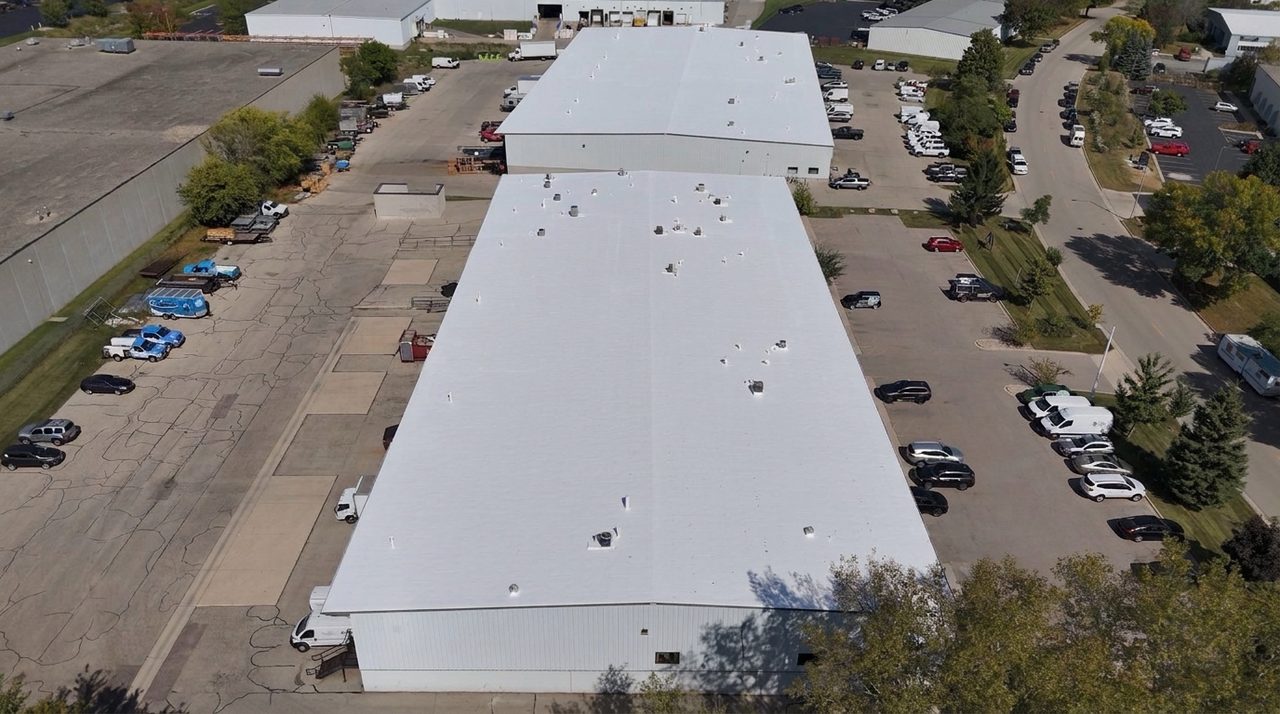
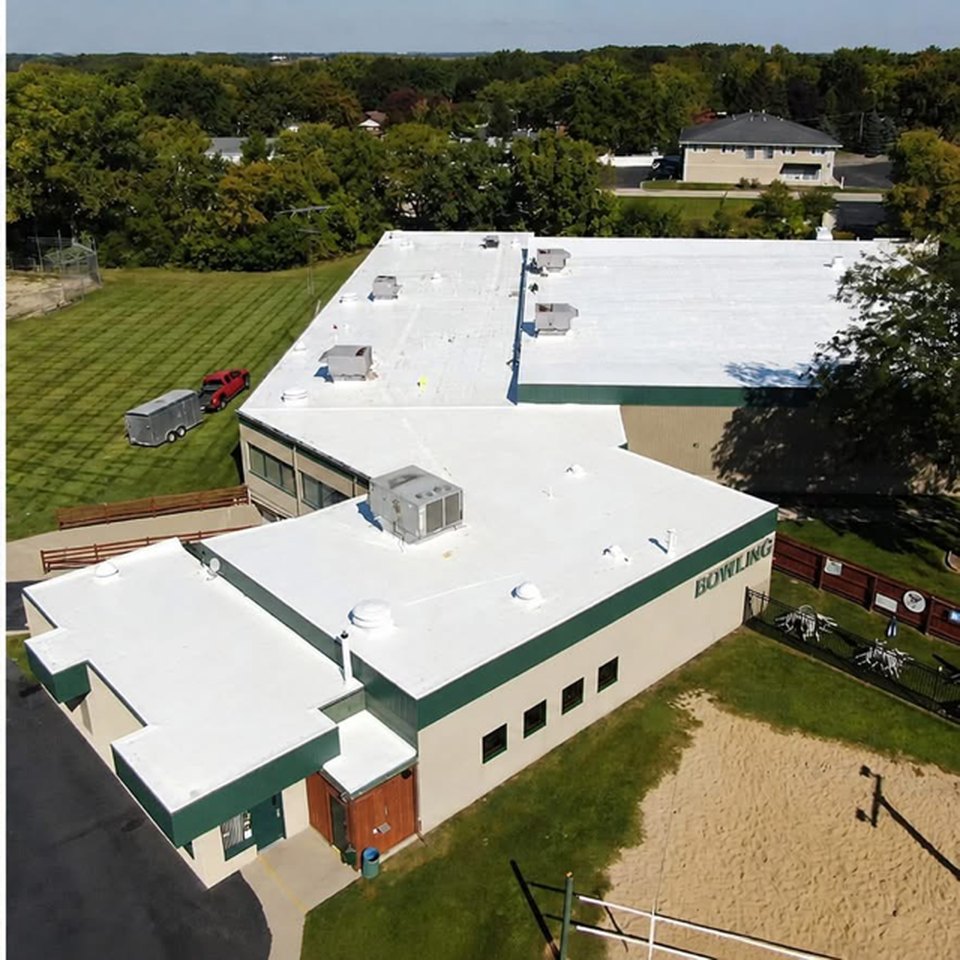
- **Coat:** Finally, we apply one or more layers of Conklin's acrylic coating system across the entire roof. This creates a durable, flexible, seamless membrane that completely encapsulates your old EPDM roof.
Frequently Asked Questions
Can you coat over any EPDM roof?
We can coat most EPDM roofs, but a thorough inspection is needed first. We check the structural integrity of the roof deck, look for widespread wet insulation, and assess the overall condition of the existing membrane. If the deck is solid and most of the insulation is dry, a restoration is usually a good option. If the roof has major structural damage or widespread water saturation in the insulation, a full replacement might be necessary.How long does a Conklin seamless roofing system last?
A properly installed Conklin seamless roofing system can last for many years. These systems are designed to be re-coated every 15-20 years, significantly extending the life of your commercial roof and delaying the need for a full replacement. This gives you a renewable solution for your building.Will a seamless roof save me money on energy bills?
Yes, most Conklin seamless roofing systems use a white, reflective top coat. This white surface bounces sunlight and heat away from your building. Dark EPDM roofs absorb heat, making your HVAC system work harder. By reflecting heat, the white coating can reduce the temperature inside your building and lower your cooling costs, especially in warmer climates. If your EPDM roof is leaking or nearing the end of its life, don't just consider tearing it off. Our contractors installing Conklin systems can inspect your roof and give you an honest assessment of whether a seamless restoration is the right solution for you. We provide reliable, long-lasting results that save you money and stop leaks for good. Call us today at (309) 303-3128 or visit our contact page to get started.Keep Reading on This Site
Industry Sources
- National Roofing Contractors Association(opens in a new tab)
Low-slope roofing installation standards.
- Cool Roof Rating Council. Building Owner Resources(opens in a new tab)
How reflective roof surfaces lower cooling load.
- U.S. EPA. Using Cool Roofs to Reduce Heat Islands(opens in a new tab)
Measured surface-temperature and energy impacts.
Frequently Asked Questions
Why EPDM Roofs Start Failing?
EPDM roofing systems are built using rubber membranes installed in sheets. These sheets are joined together with seams, adhesives, and flashing points. While this works initially, it creates long-term vulnerabilities. Over time, the roof is exposed to heat, cold, UV rays, and physical stress.
Why does the problem with constant repairs matter?
Most building owners try to fix EPDM issues with patches. At first, this seems like a cost-effective solution. But patches are temporary by nature. Each repair adds another weak point. Over time, the roof becomes inconsistent, layered, and difficult to manage. Instead of solving the problem, patching often extends it.
What Makes Conklin Seamless Roofing Different?
Conklin roofing systems are designed to eliminate the primary failure point found in EPDM roofs: seams. Instead of installing sheets, Conklin uses a fluid-applied coating system reinforced with fabric. This creates a seamless membrane across the entire roof surface. No seams means fewer entry points for water.
What's the difference between conklin seamless roofing vs epdm: the real difference?
The difference between these systems is not just technical. It is practical. EPDM manages water by sealing seams. Conklin prevents water intrusion by eliminating seams entirely.