Pros and Cons of EPDM as a Roofing Material
Benefits and Drawbacks of EPDM Roofing
What are the pros and cons of EPDM as a roofing material? EPDM rubber roofs are common for commercial buildings because they are generally affordable and durable. However, they can be prone to punctures, and their dark color can lead to higher cooling costs, though this can be fixed with a white roof coating.Symptom
You might see a dark, flat, rubbery roof on your building, or you're considering a new roof and EPDM has come up as an option. Maybe your current EPDM roof is showing wear, small leaks, or you're just wondering if it's the right choice for your next roofing project.Problem
EPDM (ethylene propylene diene monomer) is a synthetic rubber roofing membrane. It's often called "rubber roofing." While it's popular for its lower upfront cost and flexibility, EPDM isn't without its issues. The main problem is that most EPDM comes in black, which absorbs a lot of sunlight. This makes your building hotter in the summer, forcing your AC system to work harder and increasing your energy bills. EPDM can also be vulnerable to punctures from foot traffic or debris, leading to leaks if not addressed. Over time, UV rays can break down the material, causing it to become brittle and crack. If these problems are ignored, small leaks can turn into bigger water damage inside your building, ruining insulation, damaging inventory, and even affecting the building's structure.Solution
EPDM roofs have been around for a long time and are a common choice for flat and low-slope commercial buildings. They are generally tough and can last for decades. Here's a breakdown of what makes EPDM good and where it falls short:EPDM Benefits:
- Affordable: EPDM is often one of the least expensive single-ply membranes to install upfront.
- Durable: It's known for its long lifespan, often lasting 20-30 years with proper care.
- Flexible: EPDM can handle temperature changes without cracking or breaking, which is good in areas with extreme hot and cold.
- Lightweight: It doesn't add much weight to the roof deck, which can be a plus for older buildings.
- Easy to Repair: Small punctures and tears can often be patched relatively easily.
EPDM Drawbacks:
- Color (Heat Absorption): Most EPDM is black. This means it absorbs heat from the sun, making your building warmer and driving up cooling costs.
- Puncture Risk: While durable, EPDM can be punctured by dropped tools, sharp debris, or even heavy foot traffic.
- Seams: EPDM sheets are often installed in sections, requiring seams that can be weak points if not installed perfectly or if the adhesive fails over time.
- Appearance: It's not the most attractive roof material, and black roofs can show dirt and streaks easily.
Making an EPDM Roof Better with a White Coating:
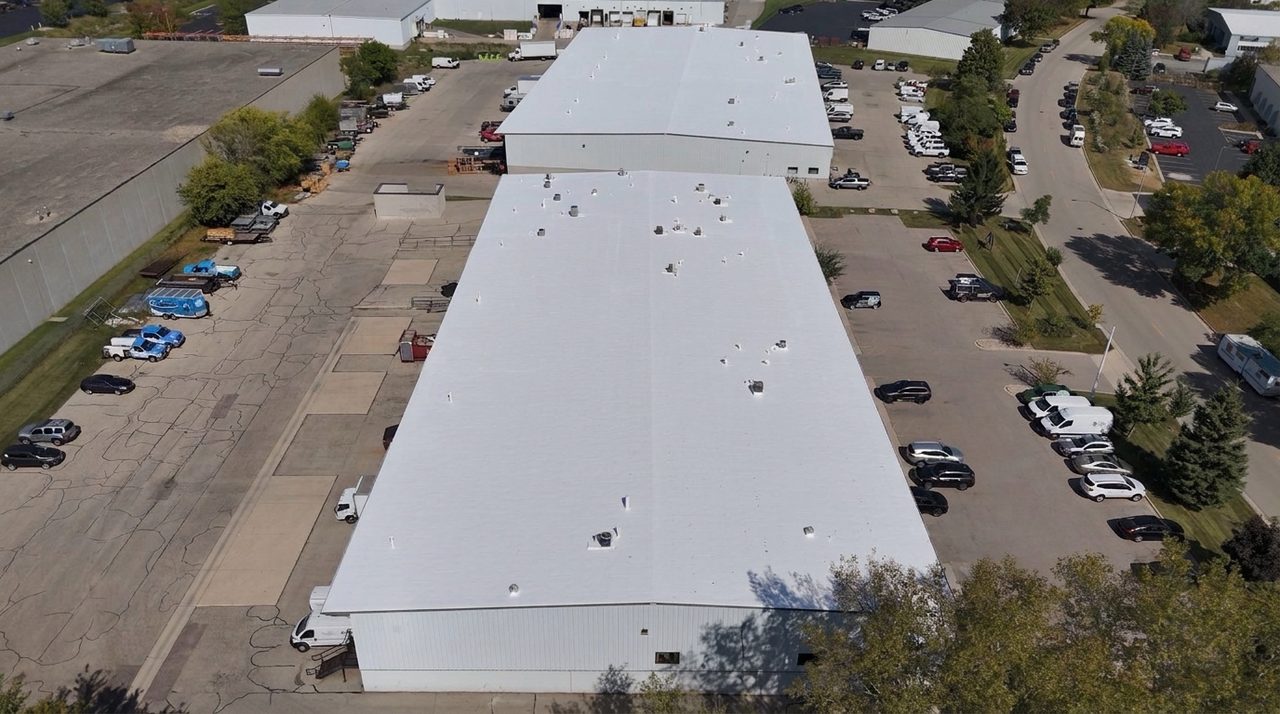
If you have an EPDM roof that's still in decent shape but you're dealing with high cooling costs or want to extend its life, a contractor installing Conklin systems can apply a Conklin acrylic roof coating system. This system directly addresses the biggest drawback of EPDM – its dark color. Here’s how we typically do it:- Inspection: First, we'll thoroughly inspect your existing EPDM roof to make sure it's a good candidate for restoration. We check for wet insulation, severe damage, or structural issues that might prevent a coating from working. If there's widespread wet insulation or a failed deck, a coating won't fix those problems.
- Repair and Clean: We'll repair any punctures, tears, or failing seams on the EPDM membrane. The entire roof surface is then power-washed to remove dirt, debris, and any loose material, ensuring the coating can stick properly.
- Primer (if needed): Depending on the condition of the EPDM, a special primer might be applied to ensure maximum adhesion of the coating.
- Base Coat: An acrylic base coat is applied to the prepared EPDM surface.
- Top Coats: One or more white acrylic top coats are then applied. These white coats reflect a significant amount of the sun's UV rays and heat.
Frequently Asked Questions
How long does an EPDM roof typically last?
A new EPDM roof can last between 20 to 30 years, depending on how well it's installed and maintained, and the climate it's exposed to. Coating an EPDM roof can significantly extend this lifespan.Can a black EPDM roof be made energy efficient?
Yes, a black EPDM roof can be made much more energy-efficient by applying a white reflective roof coating system. This turns the dark, heat-absorbing surface into a cool, reflective one, lowering building temperatures and energy bills. You can learn more about this by checking out our commercial roof restoration options.What happens if my EPDM roof has leaks?
If your EPDM roof has leaks, it's important to have them addressed promptly. Small punctures or seam failures can often be repaired by a qualified contractor. If the leaks are widespread or caused by underlying issues like wet insulation, a coating system may not be enough, and more extensive repairs or replacement might be needed.Thinking about your EPDM roof? Don't guess. The best way to know if your EPDM roof can be restored or needs other work is to have a professional look at it. Our network of contractors installing Conklin systems can inspect your roof, explain your options clearly, and give you an honest recommendation. Give us a call at (309) 303-3128 or visit our contact us page to schedule an inspection.
Keep Reading on This Site
Industry Sources
- National Roofing Contractors Association(opens in a new tab)
Low-slope roofing installation standards.
- Cool Roof Rating Council. Building Owner Resources(opens in a new tab)
How reflective roof surfaces lower cooling load.
- U.S. EPA. Using Cool Roofs to Reduce Heat Islands(opens in a new tab)
Measured surface-temperature and energy impacts.
Frequently Asked Questions
What Is EPDM?
EPDM (ethylene propylene diene monomer rubber) is a rubber roofing material that has been on the market since the 1970s. It belongs to single-ply roofing systems alongside TPO and PVC. The main two ingredients of EPDM are ethylene and propylene, which are derived from oil and natural gas.
What are the benefits of the epdm roofing system?
Some of the most known advantages of EPDM are: - Ideal solution for low-slope roofs, - Cost-effectiveness, - Low maintenance, - Durability, - A lightweight material, - Adaptive material, - Fire-resistant material, - Energy savings, - Environmentally friendly, - Easy repair, and - Resistant to blistering and cracks.
Why does ideal solution for low-slope roofs matter?
Thanks to its structure and characteristics, the EPDM rubber roofing membrane is widely used in low-slope buildings in the United States.
How much does pros and cons of epdm as a roofing material cost?
EPDM rubber is known as an extremely affordable material, especially compared to other roofing materials.