What Is TPO Roofing and Why Does Your Commercial Roof Need It?
What Is TPO Roofing?
What is TPO roofing, and why might your commercial roof need it? TPO roofing is a type of single-ply membrane often used on commercial flat or low-sloped roofs. It's made from a mix of rubber and plastic materials, and its main job is to provide a waterproof, energy-efficient layer for your building. While it's a popular choice for new roofs and replacements, it's not the only option, and it's not right for every building.Your Roof is Old or Leaking
You might be seeing water stains inside your building, or your current roof could just be showing its age with cracks, tears, or exposed areas. Maybe your energy bills are going up because your building struggles to stay cool in the summer or warm in the winter. These are common signs that your roof is nearing the end of its life or isn't performing like it should.An Old Roof Costs You Money and Headaches
When a roof fails, it's not just about the leaks. Water intrusion can damage your building's structure, insulation, and interior finishes. Wet insulation loses its ability to keep heat in or out, driving up your energy costs. If you ignore these issues, small problems become big, expensive repairs. A failing roof means constant worry, potential business disruption, and a hit to your bottom line from wasted energy and repair bills. Replacing a roof is a big expense, but sometimes it's necessary to protect your investment.TPO Roofing as a Replacement Option
TPO (Thermoplastic Polyolefin) is a single-ply membrane roofing system. It came out in the early 1990s and has become a common choice for commercial buildings. It's made of a blend of rubber and plastic, often reinforced with fiberglass, to make it strong and flexible. Here’s how a new TPO roof is typically installed: 1. **Remove the old roof:** First, the existing roof material, insulation, and any damaged decking are removed down to a clean, sound surface. This is a crucial step; you can't put a good new roof on a bad old one. 2. **Prepare the deck:** The roof deck is inspected for any damage. Any wet insulation or failed deck sections must be replaced to ensure a solid foundation for the new roof. 3. **Install insulation (if needed):** Depending on your building's needs and local building codes, new insulation boards might be laid down. This helps with energy efficiency and provides a smooth surface for the membrane. 4. **Lay the TPO membrane:** Large rolls of TPO membrane are unrolled across the roof surface. These sheets are laid out with overlapping edges. 5. **Weld the seams:** The overlapping seams of the TPO sheets are then hot-air welded together. This creates a continuous, watertight bond across the entire roof surface, which is a key strength of TPO systems. 6. **Secure the membrane:** The TPO membrane is typically attached to the roof deck using mechanical fasteners, adhesives, or a combination of both, depending on the system and the building's needs. 7. **Finish edges and details:** Flashing is installed around all penetrations (pipes, vents) and at the edges of the roof to ensure everything is watertight.When TPO Might Be a Good Fit
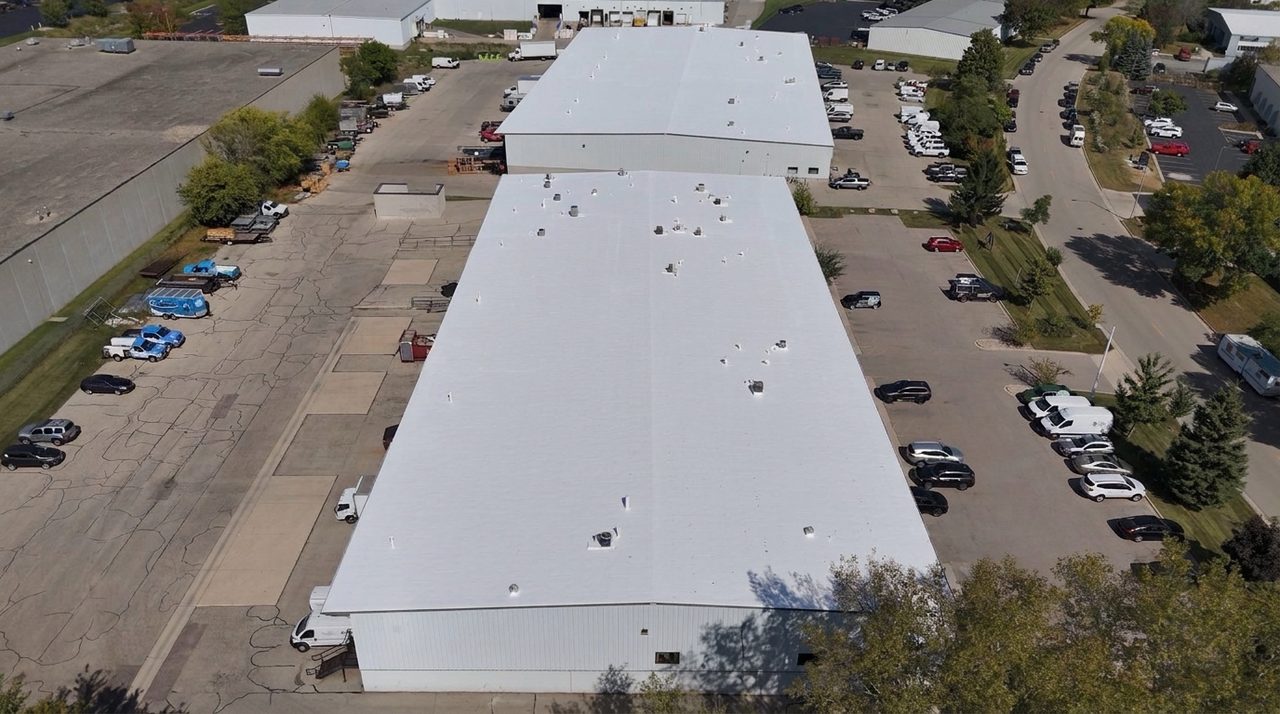
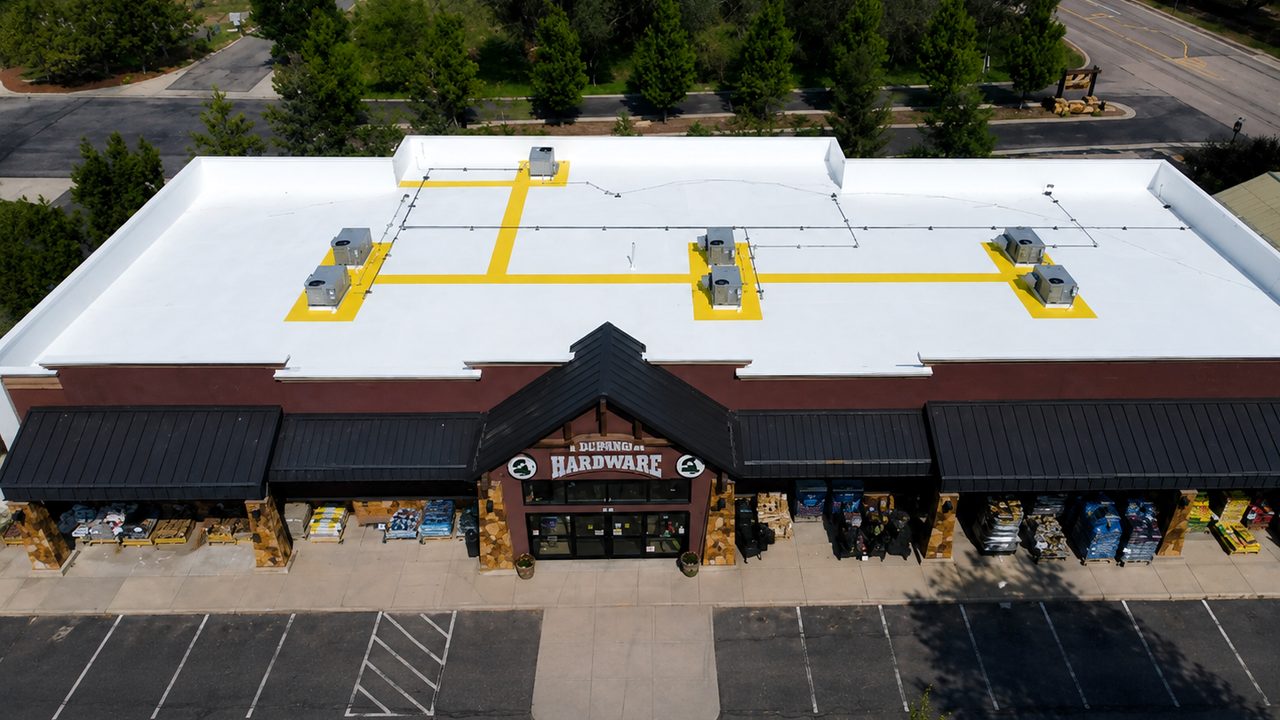
TPO is known for being durable, resistant to UV rays, and often a more cost-effective option for new roof installation compared to some other systems. It's usually white, which helps reflect sunlight and can reduce cooling costs, making it a decent choice for energy efficiency. It handles different climates well.When TPO Might NOT Be the Best Fit
While TPO is popular, it's not a silver bullet. If your roof sees a lot of foot traffic, TPO can be more prone to punctures than other systems. Certain chemicals, oils, or industrial processes that expose the roof to extreme heat could also shorten its lifespan. In these situations, other roofing materials or systems might be more suitable. For existing roofs, if a full replacement is not yet needed, a commercial roof restoration system could be a better choice to extend its life and improve performance without a tear-off when the roof qualifies.Frequently Asked Questions
What is the typical lifespan of a TPO roof?
Most TPO roofs are designed to last between 15 to 20 years, sometimes longer, depending on the thickness of the membrane, how it was installed, and the weather conditions it faces. Regular maintenance helps extend its life.
Can you repair a TPO roof?
Yes, minor damage like small punctures or tears in a TPO roof can often be repaired by cleaning the area and hot-air welding a patch of TPO over the damaged spot. Larger or more widespread damage might require more extensive work or indicate that the roof is past its prime.
How does TPO compare to other single-ply membranes like EPDM or PVC?
TPO, EPDM, and PVC are all single-ply systems. TPO and PVC are both thermoplastic, meaning their seams can be hot-air welded, offering strong, watertight bonds. EPDM is a rubber membrane, and its seams are typically sealed with tape or adhesives. TPO is generally white or light-colored, offering good reflectivity, while EPDM is usually black. PVC is often more resistant to chemicals and oils than TPO, but can sometimes be more expensive.
If you're dealing with an old or leaking roof, or if you're exploring options for a new building, it's smart to get a professional opinion. Our contractors installing Conklin systems can inspect your roof and discuss whether a TPO replacement, a Conklin roof coating system, or another solution is the best fit for your building and budget. We provide honest assessments and clear steps forward. Call us at (309) 303-3128 or visit our contact page to schedule an on-site inspection.Keep Reading on This Site
Industry Sources
- National Roofing Contractors Association(opens in a new tab)
Low-slope roofing installation standards.
- Cool Roof Rating Council. Building Owner Resources(opens in a new tab)
How reflective roof surfaces lower cooling load.
- U.S. EPA. Using Cool Roofs to Reduce Heat Islands(opens in a new tab)
Measured surface-temperature and energy impacts.
Frequently Asked Questions
What Is TPO Commercial Roofing?
TPO roofing ( or thermoplastic olefin roofing) is a single-ply roofing membrane system that first entered the commercial market in the early 1990s. Made from a mix of synthetic rubber and plastic reinforced with fiberglass and installed with adhesives and fasteners, TPO roofing consists of several distinct layers.
Why TPO Roofing Might Be Ideal for Your Commercial Building?
If you’re looking into commercial roofing options for your warehouse, factory, office building, apartment building, or retail space, you probably have a few goals in mind.
Does That Mean Commercial TPO Roofing Is a One-Size-Fits-All Solution?
No. The TPO roofing market is one of the fastest-growing parts of the commercial roofing industry, and TPO roofing systems offer plenty of benefits, but even the most enthusiastic commercial roofing contractor would admit that TPO isn’t suitable for every flat-roofed commercial building.
Are You Considering TPO Roofing for Your Commercial Building?
TPO commercial roof can make your building more energy efficient to cut down on your cooling and heating costs, and these roofing materials are both hardy and durable.