What Are the Key Differences Between TPO and EPDM Commercial Roofing Systems?
TPO vs. EPDM Commercial Roofing Systems
What are the key differences between TPO and EPDM commercial roofing systems?
TPO and EPDM are both common types of single-ply rubber roofs used on commercial buildings. The main differences are what they're made of, how they're put down, their typical color, and how they handle temperatures and sun.
Symptom
You’re looking at getting a new roof or fixing your current one, and you keep hearing about TPO and EPDM. You want to understand what these terms mean and which one might be better for your building. You see these gray, black, or white rubber-like roofs on many businesses, and you're trying to figure out which one is which and what kind of problems each might have down the road.
Problem
Choosing between TPO and EPDM without understanding their differences can lead to picking a roof that isn't the best fit for your building or climate. This could mean a shorter lifespan for the roof, more leaks, or higher energy bills than necessary. For example, if you pick a dark EPDM roof in a hot, sunny area, your building might get hotter inside, making your AC work harder and costing you more money. If you choose a material that doesn't stand up well to common issues in your area, you might face early failures, expensive repairs, or even full roof replacement sooner than expected. This means lost time, wasted money, and potential damage to what’s inside your building.
Solution
Understanding the basics of TPO and EPDM helps you make a better decision for your roof. While we primarily restore existing roofs with acrylic Conklin roof coatings, knowing about these common roof types is important because we often work on them.
What is TPO?
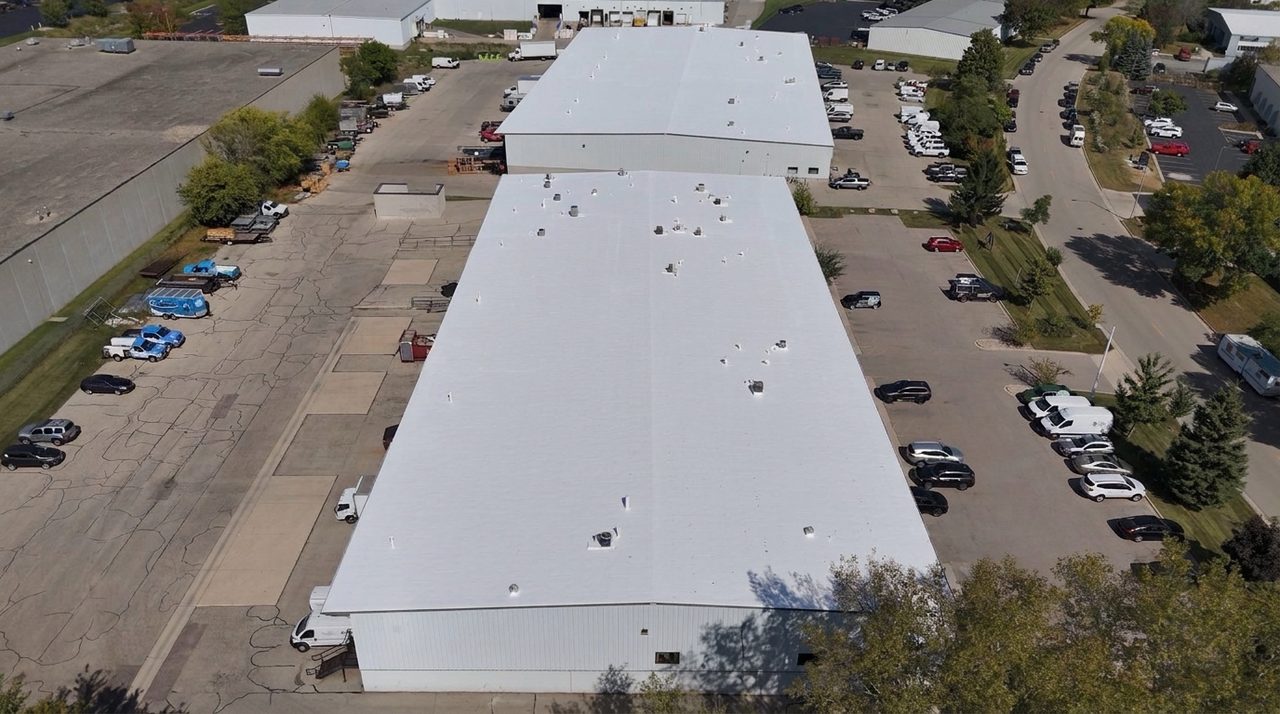
TPO stands for Thermoplastic Polyolefin. It’s a single-ply membrane that’s usually white, though you can find it in other colors. It’s made from a mix of rubber and plastic materials. TPO sheets are rolled out and then hot-air welded at the seams. This welding creates a strong, watertight bond between the sheets. TPO is known for being flexible and strong against tears and punctures.
What is EPDM?
EPDM stands for Ethylene Propylene Diene Monomer. It’s a synthetic rubber roofing membrane, often called "rubber roofing." It typically comes in black, but white EPDM is also available. EPDM sheets are usually glued down with an adhesive, and the seams are sealed with special tape or liquid adhesive. EPDM is known for its durability, especially against UV radiation and extreme temperatures, making it a long-lasting option.
Key Differences:
- Material: TPO is a blend of plastic and rubber, while EPDM is a synthetic rubber.
- Color: TPO is almost always white, which reflects sunlight. EPDM is usually black, which absorbs sunlight, but white EPDM is available.
- Installation: TPO seams are hot-air welded together, creating a very strong, seamless bond. EPDM seams are typically sealed with adhesive or seam tape.
- Energy Efficiency: White TPO naturally reflects sunlight, which can help keep buildings cooler and lower AC costs. Black EPDM absorbs heat, which can make buildings hotter, though white EPDM offers better reflection.
- Flexibility and Durability: Both are durable. EPDM is very flexible and stands up well to extreme cold and UV rays. TPO is also flexible and resistant to punctures and tears, though its long-term performance in very high heat can be a consideration depending on the specific product.
When an existing TPO or EPDM roof starts showing its age with small leaks, seam issues, or general wear, a commercial roof restoration with an acrylic coating system can be a smart move. Our contractors installing Conklin systems follow a clear process:
- Inspect the Roof: First, we thoroughly check the entire roof surface. We look for any wet insulation, damaged deck sections, or areas where the membrane is severely degraded. If the roof deck is failing or the insulation is soaked, restoration might not be the best answer, and you might need a full tear-off.
- Clean the Surface: We power wash the existing TPO or EPDM roof to remove all dirt, debris, and contaminants. This helps the new coating stick properly.
- Repair and Prepare: Any minor cracks, punctures, or open seams in the existing membrane are repaired. We use appropriate materials to ensure a smooth, stable surface for the coating. This includes reinforcing seams with fabric and coating for extra strength.
- Apply Base Coat: We then apply a tough base coat directly to the cleaned and prepped TPO or EPDM surface. This coat bonds tightly to the existing roof material.
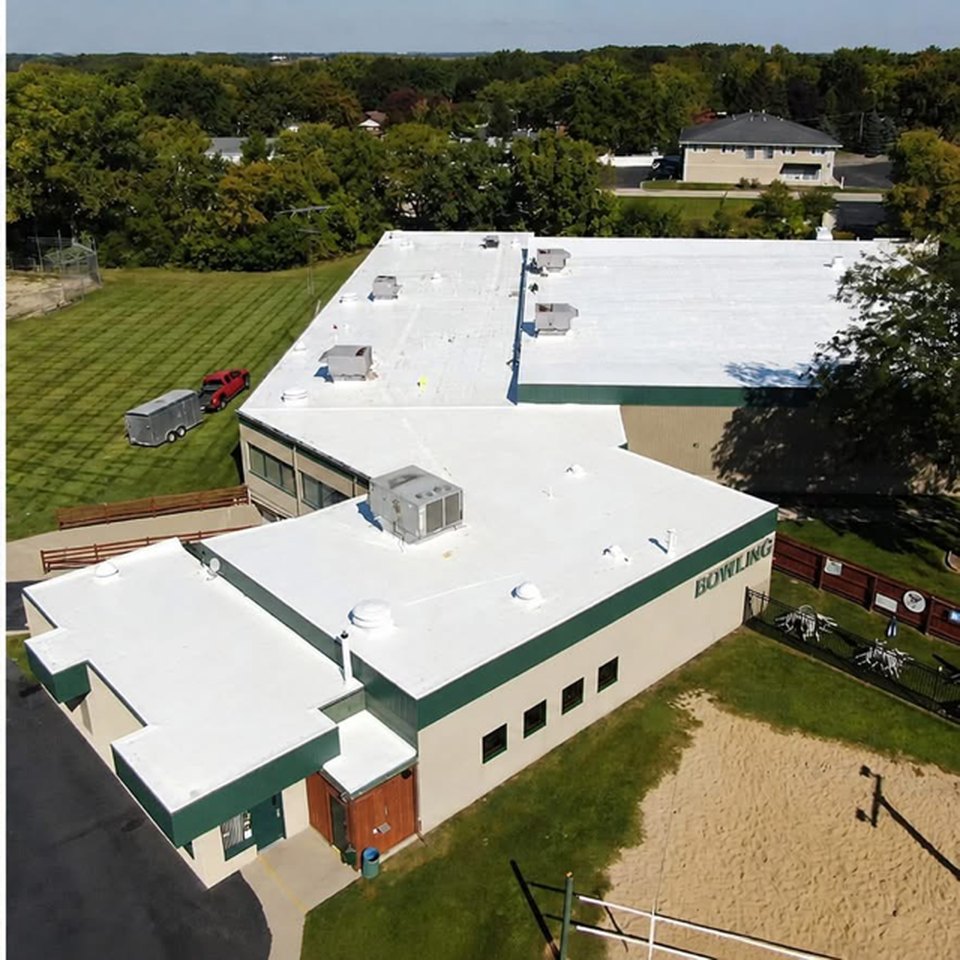
- Apply Top Coats: Finally, we roll or spray on the reflective acrylic top coats. These coats create a seamless, waterproof barrier that protects your roof from the weather, reflects UV rays, and helps lower your building's energy use. This process turns your old, worn-out roof into a bright, white, energy-efficient surface without the need for a costly tear-off. Our systems are designed to bond well with EPDM roof coatings and TPO surfaces.
This approach saves you money compared to a full replacement, extends the life of your roof, and improves your building's energy efficiency. It's a proven method for getting more years out of a TPO or EPDM roof that's still structurally sound but showing signs of wear.
Frequently Asked Questions
Can you coat an existing TPO or EPDM roof?
Yes, in most cases, you can apply a fluid-applied acrylic coating system over an existing TPO or EPDM roof. The key is that the existing roof must be sound, clean, and dry, with no widespread wet insulation or structural damage. We repair any weak spots before coating.
How long do TPO and EPDM roofs typically last?
TPO and EPDM roofs can last 20 to 30 years, depending on the thickness of the material, installation quality, climate, and how well they are maintained. A properly installed Conklin coating system can add many more years of life to these existing roofs.
Which roof type is better for energy savings?
White TPO roofs naturally reflect sunlight and heat, which typically results in better energy savings, especially in warmer climates, by reducing air conditioning costs. While black EPDM absorbs heat, white EPDM is available and offers better reflectivity. Our white acrylic coating systems applied to either TPO or EPDM significantly boost their reflectivity and energy efficiency.
Trying to figure out the best move for your commercial roof? We can help. Our contractors installing Conklin systems are ready to inspect your roof, whether it’s TPO, EPDM, or another type, and give you an honest assessment. We’ll explain your options for repair or restoration without pushing for a full replacement unless it's truly needed. Call us at (309) 303-3128 or visit our contact us page to set up a free, no-obligation roof inspection. We'll get you connected with a local expert who can walk you through the specifics of your building's roof.
Keep Reading on This Site
Industry Sources
- National Roofing Contractors Association(opens in a new tab)
Low-slope roofing installation standards.
- Cool Roof Rating Council. Building Owner Resources(opens in a new tab)
How reflective roof surfaces lower cooling load.
- U.S. EPA. Using Cool Roofs to Reduce Heat Islands(opens in a new tab)
Measured surface-temperature and energy impacts.
Frequently Asked Questions
What Is TPO?
As mentioned, TPO stands for Thermoplastic Polyolefin, a single-ply roofing material widely used in commercial roofing. Over a few decades, TPO has evolved, and it has gotten to the point where it has become more reliable.
What Is EPDM?
On the other side, EPDM stands for Ethylene Propylene Diene Monomer, a synthetic rubber compound that allows it to be flexible. Like TPO, EPDM is also made from a single-ply material, typically in black color but also white.
Why does the key difference between tpo and epdm matter?
Even though both materials offer benefits, we have to mention some key differences regarding their performance, durability, and cost. 1. Material As you might have guessed, one key difference would be the material it is made of.
Why does call white roofing system for your commercial needs matter?
Knowing the distinctions between the two materials will help you make a choice that will improve the building’s energy efficiency and durability over time. And if you need a consultation with professionals, you can always call White Roofing System, the best commercial roofing contractor.