What Is the Best Construction for Flat Roofing
What Is the Best Construction for Flat Roofing?
What is the best construction for flat roofing? There's no single "best" flat roof construction. The right choice depends on your building, budget, local weather, and what you need the roof to do. We install acrylic coating systems that work with many common flat roof types to extend their life.Your Flat Roof Is Wearing Out
You might be noticing leaks inside your building, water stains on your ceiling, or higher energy bills. Maybe you see cracks, bubbles, or open seams on the roof itself. When you look at the roof, it just doesn't look as solid as it used to. These are all signs your flat roof is wearing down.Ignoring Roof Damage Costs You More
Ignoring these signs can lead to bigger problems. Small leaks turn into big ones, damaging insulation, structural components, and interior finishes. This can cause mold growth, make your building less safe, and force you to shut down operations for repairs. Wet insulation also means your HVAC system has to work harder, driving up your energy costs. Eventually, the damage can get so bad that you'll need a full, expensive roof tear-off and replacement instead of a more affordable restoration.Restoring Your Existing Flat Roof
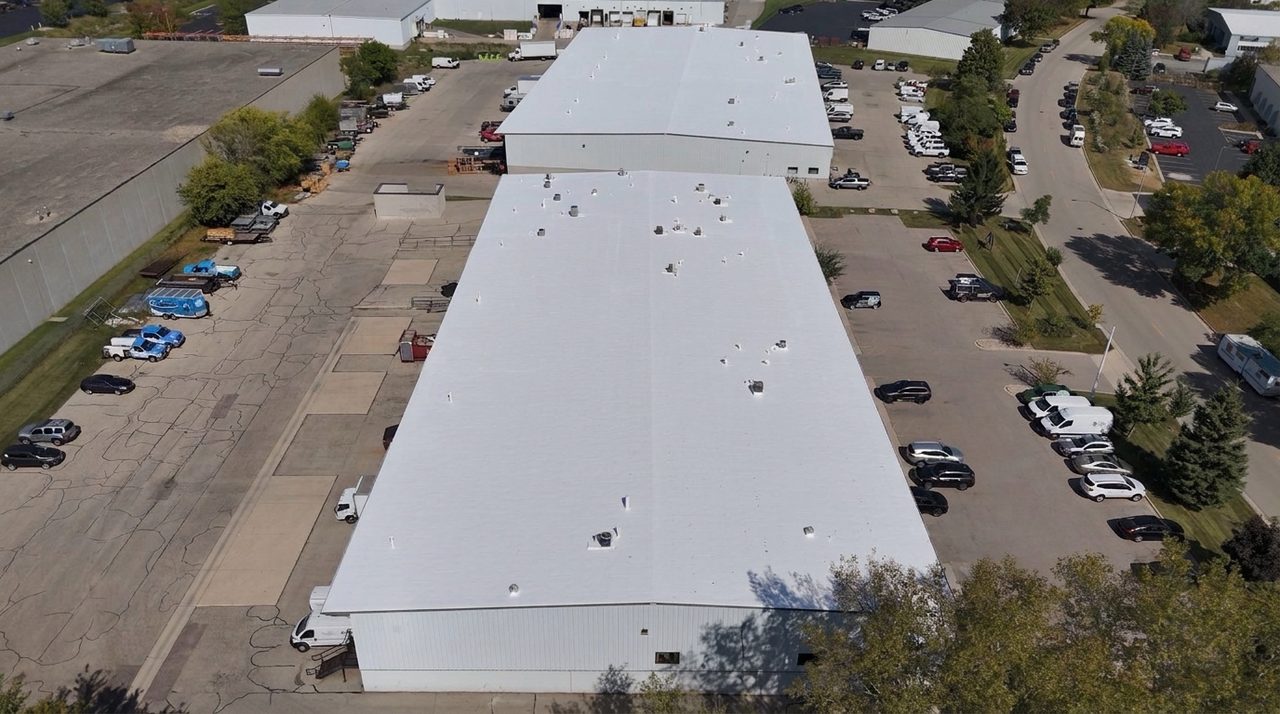
For many common flat roof types, a contractor installing Conklin systems can apply an acrylic coating system to restore it. This avoids the cost and disruption of a full replacement. We work with various flat roof constructions, including: * **Single-Ply Membranes (TPO, PVC, EPDM):** These are flexible, pre-manufactured sheets laid over the roof deck. TPO and PVC are often white or light-colored, reflecting sunlight. EPDM is a rubber-like membrane, usually black. Over time, seams can pull apart, and the material can become brittle or chalky, leading to leaks. * **Modified Bitumen (Mod-Bit):** This is a tough, asphalt-based material, often installed in rolls. It's like a tougher version of built-up roofing. It can crack, blister, and wear down from sun exposure. * **Built-Up Roofing (BUR):** Often called "tar and gravel" roofs, these are made from alternating layers of asphalt and reinforcing fabrics, topped with gravel. They can develop cracks, blisters, and lose their gravel surfacing, exposing the underlying layers to UV damage. * **Metal Roofs:** While often sloped, many commercial metal roofs have very low slopes, acting like flat roofs. They can rust, develop loose seams, and fasteners can back out, leading to leaks. Here's how we typically restore a flat roof with an acrylic coating system: 1. **Inspection:** First, a contractor installing Conklin systems checks your roof thoroughly. We look for water-saturated insulation, structural damage to the deck, and any areas past the point of restoration. If your insulation is wet or the roof deck is failing, we'll need to address those issues first, which might mean replacing some sections or recommending a full tear-off if the damage is too widespread. 2. **Clean and Repair:** We clean the entire roof surface to remove dirt, debris, and any loose materials. Then, we repair any existing leaks, cracks, or open seams. This might involve reinforcing weak areas with fabric and coatings. 3. **Base Coat Application:** We apply a durable base coat that sticks well to your existing roof surface. This layer helps seal minor imperfections and prepares the roof for the topcoats. 4. **Top Coat Application:** One or more layers of reflective acrylic top coat are then applied. These coatings create a seamless, waterproof membrane across your entire roof. They are designed to expand and contract with your building, resist UV damage, and reflect a lot of the sun's heat. This helps keep your building cooler and can reduce your energy bills. This process provides a new, seamless protective layer right over your old roof, often without needing to remove the existing one. This saves you money on tear-off and disposal costs and keeps your business running with minimal interruption.Frequently Asked Questions
How long does an acrylic roof coating system last?
Service life depends on the roof's condition, the system used and how well it is maintained; ask the contractor to put the expected service life in writing. We also offer extended material warranties for peace of mind.Can all flat roofs be restored with a coating?
Not all. While our contractors installing Conklin systems can restore most common flat roof types, roofs with widespread wet insulation or structural deck failures will need repairs or a full replacement before a coating can be applied. An on-site inspection is always needed to tell you if your roof is a good candidate.What are the benefits of coating my flat roof?
Beyond stopping leaks and extending your roof's life, a reflective coating can significantly reduce your building's cooling costs. It also avoids the mess and cost of a full roof tear-off, and it's considered a maintenance expense rather than a capital expense by the IRS, which can offer tax advantages. If your flat roof is showing signs of wear, don't wait for a complete failure. A roof restoration can save you time, money, and hassle. Call White Roofing Systems today at (309) 303-3128 for a free, no-obligation roof inspection, or visit our contact us page to learn more. We'll help you find the best solution for your building.Keep Reading on This Site
Industry Sources
- National Roofing Contractors Association(opens in a new tab)
Low-slope roofing installation standards.
- Cool Roof Rating Council. Building Owner Resources(opens in a new tab)
How reflective roof surfaces lower cooling load.
- U.S. EPA. Using Cool Roofs to Reduce Heat Islands(opens in a new tab)
Measured surface-temperature and energy impacts.
Frequently Asked Questions
What Is the Best Construction for Flat Roofing?
Four types of construction materials for flat roofing stand out: 1. Single-Ply Membranes (including EPDM membrane roofing, PVC membrane roofing, and TPO membrane roofing) 2. Built-Up Roofing, 3. Modified Bitumen, and 4. Metal roof. However, we won’t simply limit ourselves to a mere list.
What is single-ply membranes?
With single-ply membrane systems, there are three most common types: EPDM, PVC, and TPO.
What is epdm membrane roof?
Having been in the market for approximately six decades, EPDM stands as a tested roofing material that has withstood the trials of time. EPDM, known as Ethylene Propylene Diene Monomer, represents a thermoset substance and can be described as a synthetic compound resembling rubber.
What is pvc membrane roof?
PVC, short for polyvinyl chloride, is a thermoplastic material primarily designed for flat or low-slope roofs. It is manufactured in rolls and applied onto the roofing structure. Similar to EPDM, PVC has been available in the market for quite some time, dating back to the 1960s.