How to cool your commercial roof
How to Cool Your Commercial Roof
How do you cool your commercial roof? You cool your commercial roof by applying a reflective coating system. This system bounces sunlight away from the building, keeping the roof surface and the space inside much cooler. This helps lower your energy bills and makes your building more comfortable.High Energy Bills and Overworked AC
You know your commercial roof isn't cooling your building effectively when your air conditioning runs constantly but still struggles to keep up, especially on hot, sunny days. You might also notice your energy bills climbing higher each summer. Sometimes, the heat radiates through the ceiling, making certain areas of your building uncomfortably warm, even with the AC on full blast.Dark Roofs Absorb Heat and Cost You Money
Most commercial roofs are dark. They're built that way or they turn that way over time from dirt and aging materials. Dark colors absorb a lot of sunlight, which turns into heat. This heat builds up on the roof surface and then transfers into your building. This means your air conditioner has to work much harder to cool the inside. An overworked AC system uses more electricity, costs more to run, and wears out faster. This cycle leads to higher utility bills, more frequent AC repairs, and an uncomfortable environment for anyone inside your building. Over time, constant temperature changes can also stress the roof materials themselves, speeding up their breakdown.A Reflective Coating System Keeps the Heat Out
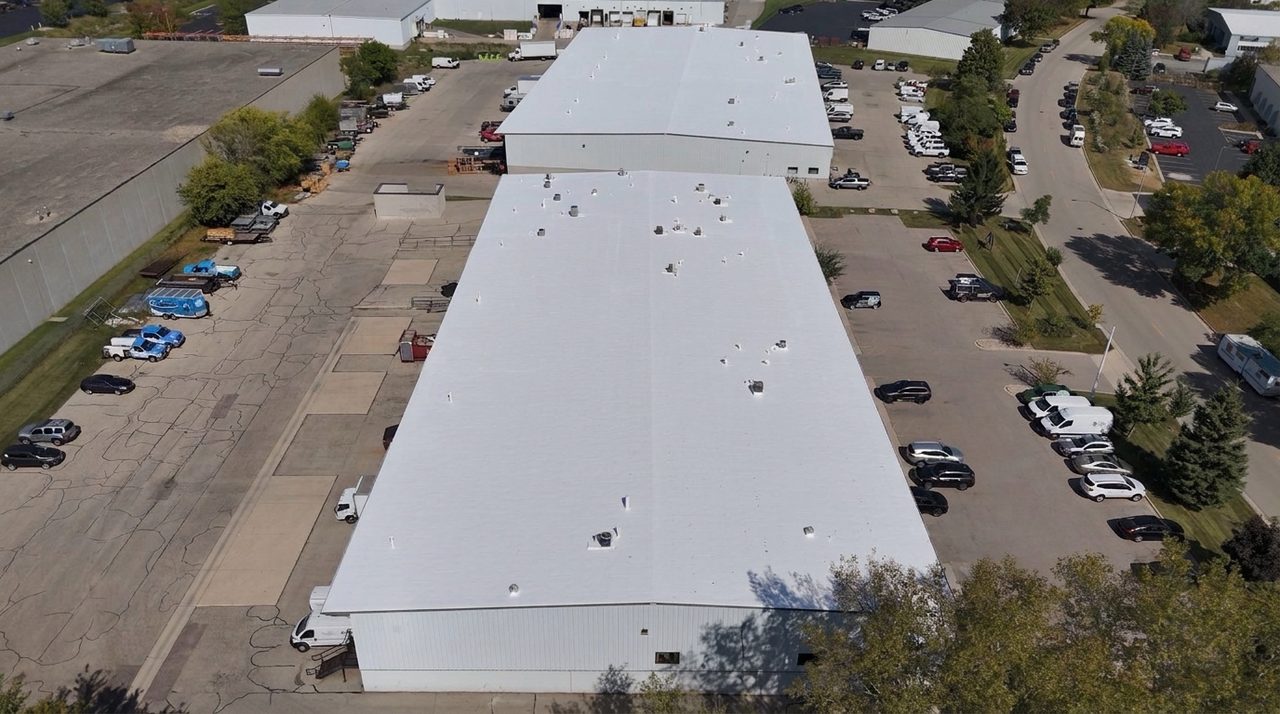
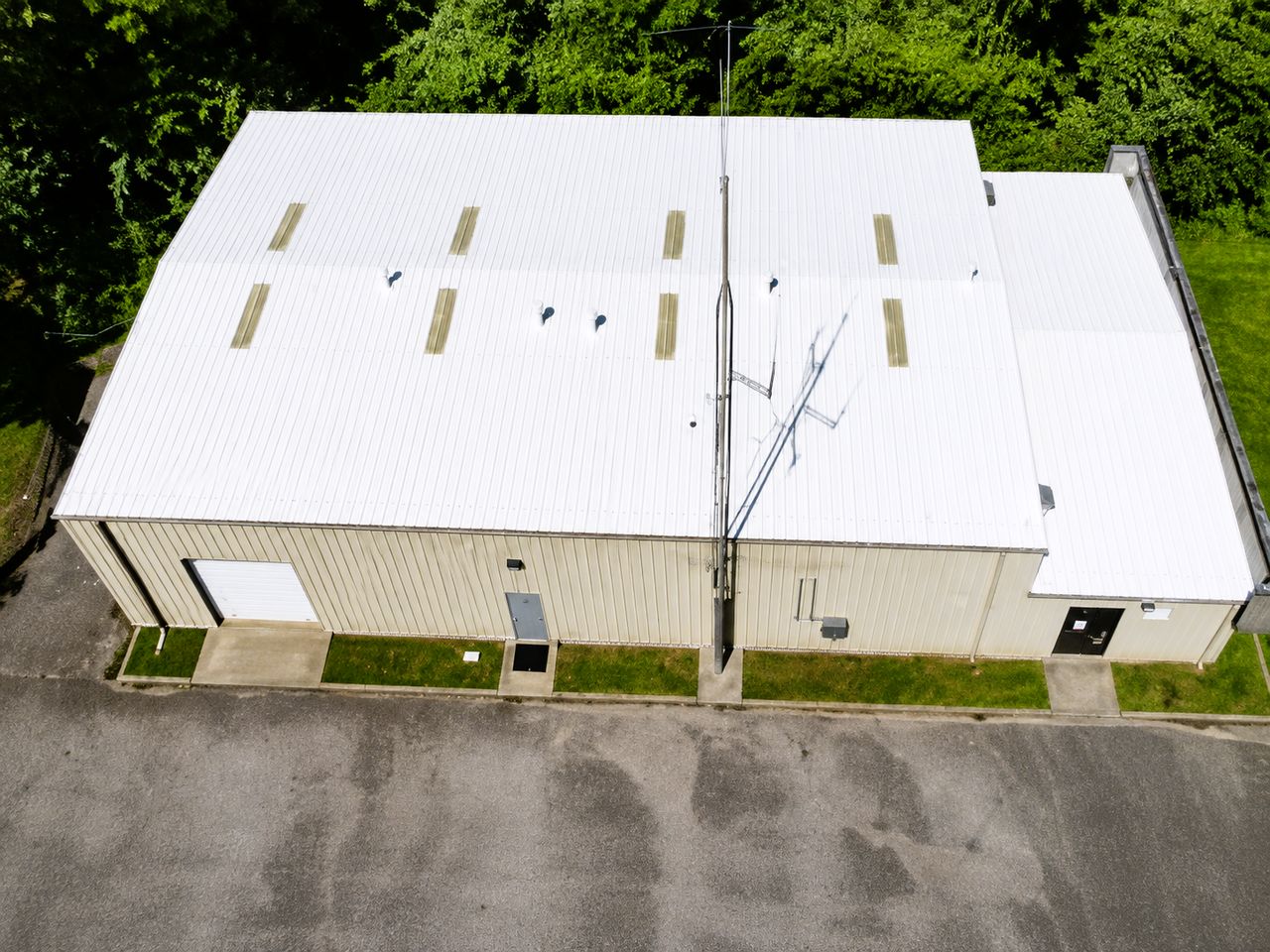
The most effective way to cool your commercial roof is with a reflective roof coating system. These systems are designed to reflect a high percentage of the sun's UV rays and heat, rather than absorbing them. Here's how a typical restoration process works: 1. Inspection: A contractor installing Conklin systems will inspect your roof thoroughly. They'll look for any damage, wet insulation, or areas that need repair. If the roof deck is failing or there's widespread wet insulation, a coating system might not be the right fit, and the contractor will tell you honestly. Not every roof is a candidate for restoration, but many are. 2. Cleaning: The roof surface is power-washed to remove dirt, debris, and any loose material. A clean surface is essential for proper adhesion of the new coatings. 3. Repair and Reinforcement: Any existing leaks, cracks, or damage to the roof membrane are repaired. Seams are sealed, and in many cases, a fabric reinforcement layer is embedded into an acrylic base coat over seams and penetrations to strengthen these vulnerable areas. 4. Base Coat Application: An acrylic base coat is applied. This coat helps seal the roof and provides a strong foundation for the top coats. 5. Top Coat Application: One or more layers of a highly white reflective acrylic top coat are applied. These coats are engineered to reflect the sun's energy, drastically lowering the roof's surface temperature. This is where the real cooling happens. 6. Final Inspection: The contractor ensures complete coverage and proper application, leaving you with a seamless, reflective, and durable roof system. This process transforms your existing dark, heat-absorbing roof into a white, energy-saving "cool roof" without the need for a full tear-off. Warranty terms depend on the system, the roof's condition and manufacturer approval; ask the contractor to put them in writing before work starts. We install Conklin roof coatings, which are known for their strong reflectivity and durability. For a metal roof, this means sealing rust and leaks before applying the reflective layers. For a flat roof, it means creating a seamless, waterproof surface.Frequently Asked Questions
How much cooler can a white roof make my building?
A white, reflective roof can reduce the surface temperature of your roof by 50-80 degrees Fahrenheit compared to a dark roof. This can translate to a noticeable difference in interior building temperature and significant savings on your air conditioning costs. The exact amount depends on your insulation, HVAC system, and climate.Do I need to replace my entire roof to make it a cool roof?
No, in most cases, you do not. For many commercial roofs that are still structurally sound, a reflective coating system can be applied directly over your existing roof, restoring it and making it a cool roof without the need for a costly and disruptive tear-off. This is known as commercial roof restoration.What types of commercial roofs can be coated?
Many types of commercial roofs can be restored and cooled with a coating system. This includes metal roofs, single-ply membranes like EPDM and TPO, modified bitumen, and built-up roofs. An on-site inspection by a contractor installing Conklin systems is the best way to determine if your specific roof type and condition are suitable for a coating system. Are you tired of high energy bills and an overheated building? Our network of contractors installing Conklin systems specializes in applying reflective coating systems that cool your commercial roof and save you money. Call us today at (309) 303-3128 or visit our contact page to schedule a free, no-obligation roof inspection and see how we can help you cool down your commercial property.Keep Reading on This Site
Industry Sources
- National Roofing Contractors Association(opens in a new tab)
Commercial roofing standards and guidance.
- Cool Roof Rating Council. Building Owner Resources(opens in a new tab)
How reflective roof surfaces lower cooling load.
- U.S. EPA. Using Cool Roofs to Reduce Heat Islands(opens in a new tab)
Measured surface-temperature and energy impacts.
Frequently Asked Questions
What is single ply membrane?
There are a couple of different types of single-ply membranes, but the most common ones are TPO (thermoplastic polyolefin), PVC (polyvinyl chloride), and EPDM (ethylene propylene diene monomer). These membranes hold coatings that are highly reflective and don’t require any additional surfacing.
What is built-up roofing?
Also known as BUR, this is the old standard roof made of gravel and tar. Due to its affordability, ease of use and repair, BUR has become ubiquitous with low-sloped and flat roofing systems.
What is cool roof coatings?
These layers work best with low-sloped roofs that are in good condition and are generally used in re-roofing rather than in new construction projects.