How Reflective Roof Systems Support Long-Term Building Value for Commercial Properties
How Reflective Roof Systems Add Value to Your Building
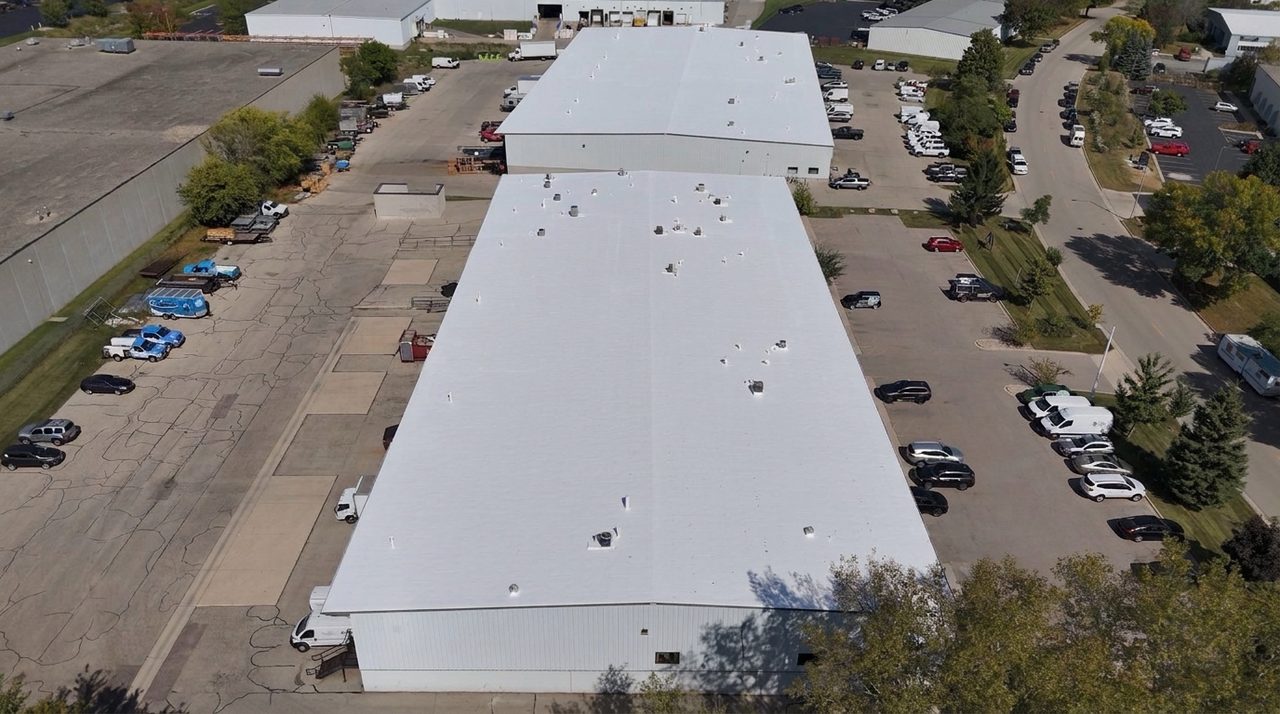
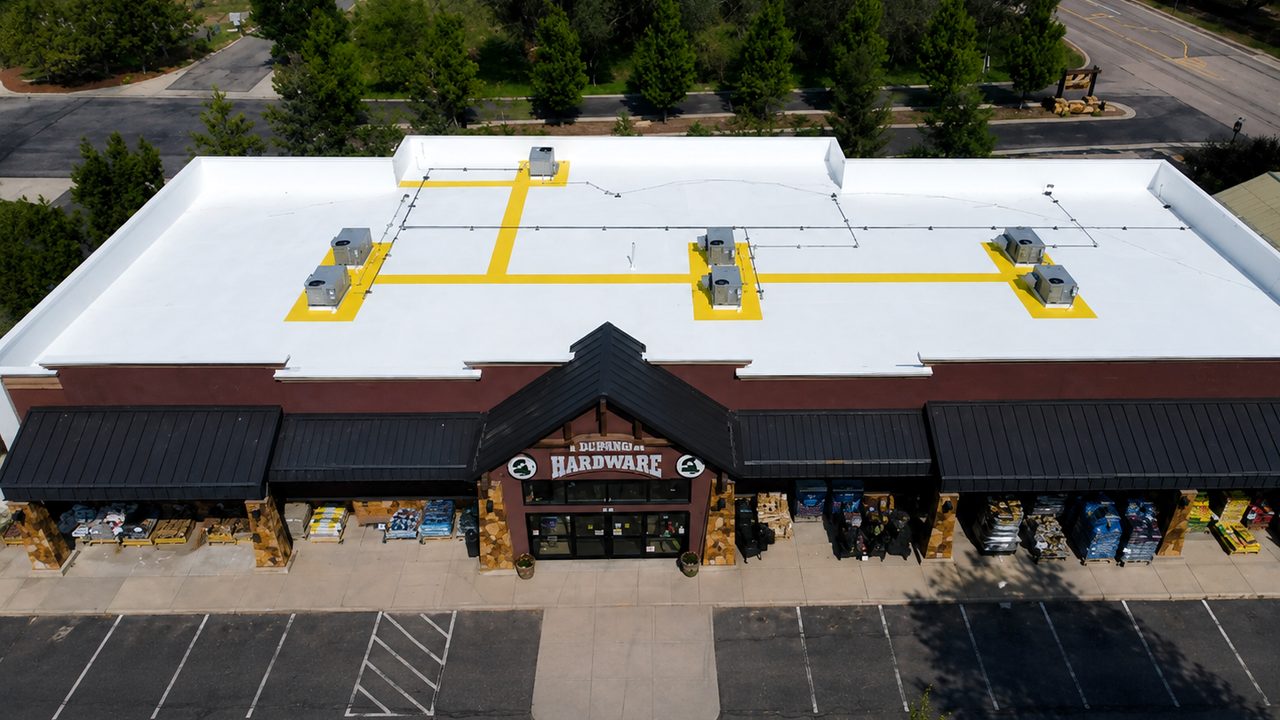
How do reflective roof systems add value to my commercial property? Reflective roof systems, like the acrylic coatings we install, do more than just make your roof look new. They protect your building by lowering roof temperatures, which saves you money on energy, helps your rooftop equipment last longer, and makes your tenants more comfortable. This all adds up to a more valuable property over time.What You See: High Energy Bills and Worn-Out Equipment
You might notice your air conditioning runs constantly in the summer, or that your energy bills are higher than they should be. You might also find yourself frequently repairing or replacing rooftop HVAC units. Sometimes, your tenants complain about hot spots or uneven temperatures inside the building. These are common signs that your roof is absorbing too much heat.The Problem: Your Dark Roof Acts Like a Heat Magnet
Traditional dark roofs absorb a lot of sunlight, heating up to 170-190°F or even hotter on a sunny day. This heat doesn't stay on the roof surface. It transfers into your building, making your HVAC system work harder to keep things cool. This extra strain leads to higher energy bills, wears out your expensive rooftop equipment faster, and can make your building uncomfortable. When your roof heats and cools dramatically every day, the materials expand and contract a lot, stressing seams and flashing. Ignoring this can lead to leaks, costly repairs, and a shorter lifespan for your entire roof and mechanical systems.The Solution: A White, Reflective Coating System
We apply Conklin acrylic reflective roof systems directly over your existing roof, often without needing a tear-off. Here’s how we do it and what it fixes: 1. **Inspection and Repair:** First, we do a thorough inspection. We look for any wet insulation – if we find it, that wet material must be removed and replaced. We also check the roof deck to make sure it's solid. Any existing leaks, damage, or failing seams are repaired. We ensure the entire roof surface is clean and ready for the coating. This step is critical; a coating on a wet or damaged roof won't last. 2. **Reinforcement:** We apply fabric reinforcement and a base coat around all seams, penetrations (like pipes and vents), and transitions. These are the weak spots where most leaks start. This adds strength and waterproofing where your roof needs it most. 3. **Primer (if needed):** Depending on your existing roof type, we might apply a primer to ensure the new coating sticks perfectly. 4. **Reflective Topcoats:** We then apply two layers of a highly reflective, white acrylic topcoat. This creates a seamless, waterproof membrane across your entire roof. The white surface reflects most of the sun's UV rays, drastically lowering your roof's surface temperature. This helps keep your building cooler, reduces the workload on your HVAC system, and slows down the aging process of the roof itself. Our reflective coating systems work on many types of commercial roofs, including metal, modified bitumen, EPDM, TPO, and existing spray polyurethane foam. However, if your roof deck is failing, if there's extensive wet insulation that can't be practically replaced, or if the roof is simply too far gone, a coating system might not be the right choice. We'll be honest with you about what's possible during our inspection. A properly installed Conklin roof coating can extend the life of your roof for many years.Frequently Asked Questions
Does a reflective roof coating really save money on energy bills?
Yes, absolutely. By reflecting sunlight, the roof stays much cooler. This means less heat transfers into your building, so your air conditioning doesn't have to work as hard or run as long. This directly lowers your cooling costs, especially in warmer months.How long do reflective roof systems typically last?
Service life depends on the roof's condition, the system used and how well it is maintained; ask the contractor to put the expected service life in writing. Warranty terms depend on the system, the roof's condition and manufacturer approval; ask the contractor to put them in writing before work starts. This lifespan is comparable to or even longer than traditional roof replacements.Will a reflective coating really help my rooftop HVAC equipment?
It sure will. When your roof surface is 50-80 degrees cooler, your rooftop AC units operate in a much less harsh environment. This reduces thermal stress on compressors, motors, and other components. Less stress means fewer breakdowns and a longer lifespan for your expensive HVAC equipment, saving you on repair and replacement costs. You can learn more about this by checking out our commercial roof restoration services. Ready to see how a reflective roof system can protect your building and save you money? Give us a call today. We’ll schedule an on-site inspection to figure out the best solution for your property. Dial (309) 303-3128 or visit our contact page to get started.Keep Reading on This Site
Industry Sources
- Cool Roof Rating Council(opens in a new tab)
Third-party reflectance and emittance ratings.
- CRRC Rated Products Directory(opens in a new tab)
Independent ratings for reflective roof products.
- Cool Roof Rating Council. Building Owner Resources(opens in a new tab)
How reflective roof surfaces lower cooling load.
Frequently Asked Questions
Why does 1\. lower rooftop temperatures reduce mechanical stress matter?
Black commercial roofs commonly reach surface temperatures between 170°F and 190°F during peak summer months. That heat does not stay at the surface. It radiates into the building structure and surrounds rooftop HVAC equipment.
Why does 2\. energy efficiency that compounds over time matter?
Reflective roof systems reduce solar heat gain, which lowers cooling demand during summer months. For many commercial buildings, cooling represents a major portion of seasonal energy use. According to the U.S.
Why does 3\. extended hvac equipment lifespan matter?
HVAC systems represent one of the largest capital investments inside a commercial building. Rooftop units are particularly sensitive to heat exposure. When surrounding roof temperatures remain excessively high, compressors cycle longer and components operate under heavier load. This accelerates wear.
Why does 4\. improved tenant comfort and retention matter?
Commercial building value is closely tied to tenant stability. Temperature fluctuations, uneven cooling, and persistent comfort complaints can affect lease renewals. Lower rooftop heat reduces the amount of heat transferred into the building envelope.