Summer Hazards for Commercial Roofs
Summer Hazards for Commercial Roofs
What are the common summer hazards for commercial roofs?
Summer heat, UV rays, and storms can cause several problems for commercial roofs, including thermal shock, blistering, and moisture issues. Ignoring these can lead to leaks and costly damage over time.
What You Actually See or Experience
During the summer, you might notice new issues with your commercial roof. These can show up as small bubbles or blisters on the roof surface, especially on flat or low-slope systems. You might also see cracks forming, seams pulling apart, or loose flashing around the edges and penetrations of your roof. After heavy rains, you could find standing water in new spots, or even water stains and active leaks inside your building. If your utility bills go up, it could also be a sign that your roof’s insulation is not working as well as it should because of moisture or heat damage. Sometimes, you might just see debris from storms, like branches or leaves, clogging drains or denting the roof surface.
Why It Happens and What It Costs If Ignored
These symptoms are often caused by the extreme conditions of summer. High temperatures make roofing materials expand, and cooler nights make them contract. This constant movement, called thermal shock, stresses the roof, leading to cracks, seam failures, and loose flashing. Strong UV rays can dry out and break down roofing materials, making them brittle. Intense summer storms bring heavy rain and wind, which can dislodge flashing, clog drains with debris, and even cause impacts from falling objects. Trapped moisture under the roof or within its insulation, often worsened by humidity or leaks, can lead to blistering as the sun heats it up. If these problems are ignored, small cracks turn into big ones, and minor leaks become major water intrusions. This water damage can ruin insulation, rot the roof deck, create mold, and harm the building's interior and contents. What might start as a simple repair can quickly escalate into a need for an expensive roof replacement.
How the Work Is Actually Done, Step by Step
Addressing summer roof issues starts with a thorough inspection by a contractor installing Conklin systems. We look for all the symptoms mentioned above, plus any hidden damage. Depending on what we find, the solution might involve:
- Cleaning and Prep: We’ll clean the roof surface, removing all dirt, debris, and any standing water. This makes sure our coatings stick properly.
- Repairs: We’ll fix any existing problems. This includes repairing cracks, sealing loose seams, tightening flashing, and replacing any damaged sections of the roof. If insulation is wet, it must be removed and replaced, because no coating can fix wet insulation. If the roof deck is too damaged to support restoration, or if the roof has been neglected too long, then restoration may not be an option.
- Priming: A primer coat is often applied to help the new coating bond strongly with the existing roof material.
- Fabric Reinforcement (if needed): For roofs with many seams or areas needing extra strength, we embed a tough fabric into a base coat of coating over those critical areas.
- Base Coat Application: We apply the first layer of a highly reflective acrylic coating. This forms a seamless, waterproof membrane.
- Top Coat Application: A final top coat is applied. This layer provides extra protection against UV rays and weathering, helping to reflect the sun’s heat away from the building. This reduces the roof’s temperature and the building’s cooling costs.
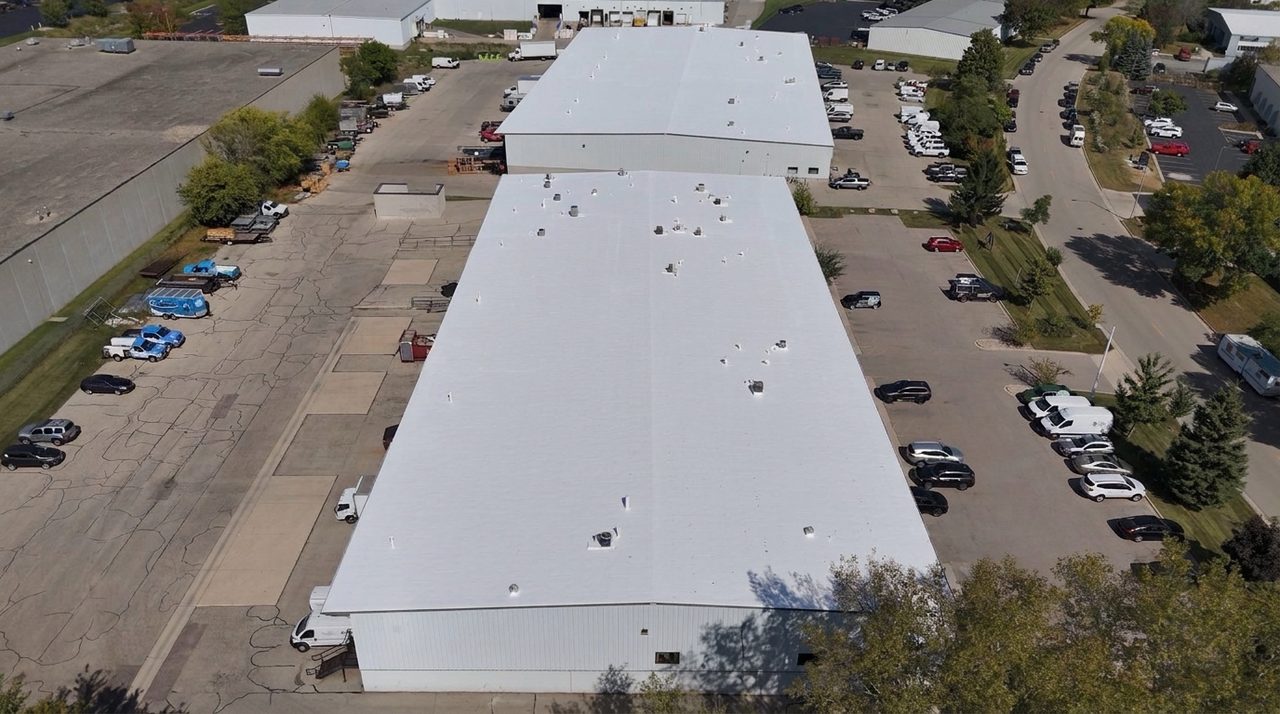
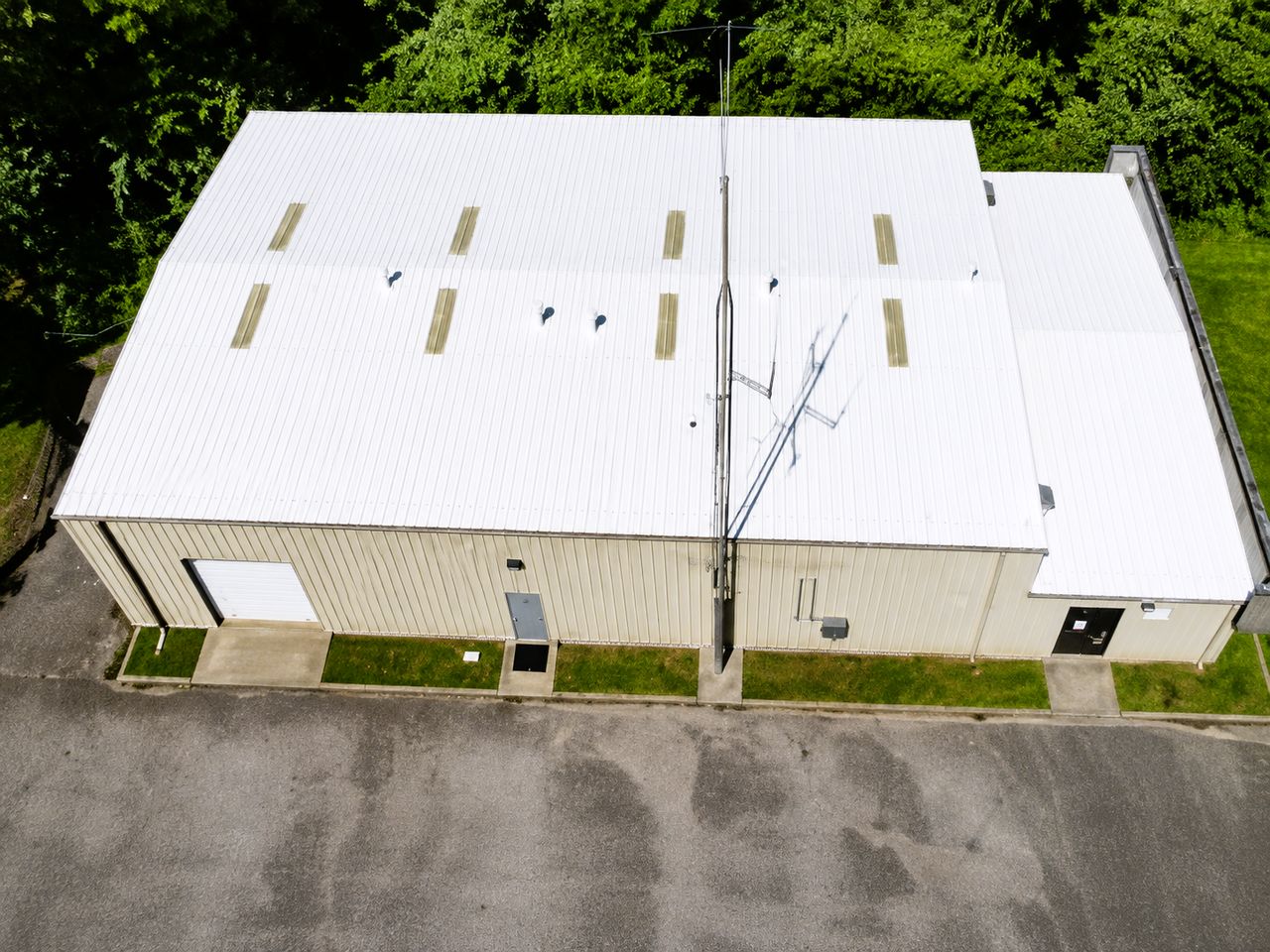
This process creates a seamless, flexible, and reflective layer that protects your roof from UV damage, thermal shock, and water intrusion. It’s important to note that these Conklin roof coatings are designed to restore existing commercial roofs, not to fix structural problems or entirely replace a completely failed roof system. We can restore many types of roofs, including metal roofs, flat roofs, and EPDM roofs, adding years of life to them.
Frequently Asked Questions
How often should I inspect my commercial roof during the summer?
It's a good idea to inspect your commercial roof at least once before summer starts, again mid-season, and after any major storms. Regular checks can catch small problems before they become expensive.
Can roof coatings really help with summer heat?
Yes, Conklin acrylic roof coatings are highly reflective. They bounce a lot of the sun's UV rays away from your roof, which can significantly lower the roof’s surface temperature and reduce the amount of heat that enters your building. This often leads to lower air conditioning costs.
When is it too late to restore my roof with a coating system?
A roof might be past the point of restoration if it has widespread structural damage, extensive wet insulation, or if the roof deck itself is rotting or unstable. Our contractors installing Conklin systems will give you an honest assessment during the inspection. If a roof is too far gone, we'll tell you straight up.
If you’re seeing signs of summer damage on your commercial roof, don't wait for a leak to get worse. Our contractors installing Conklin systems can inspect your roof and provide solutions to protect your building for years to come. Call us at (309) 303-3128 or visit our contact page to schedule an inspection today.
Keep Reading on This Site
Industry Sources
- National Roofing Contractors Association(opens in a new tab)
Commercial roofing standards and guidance.
- Cool Roof Rating Council. Building Owner Resources(opens in a new tab)
How reflective roof surfaces lower cooling load.
- U.S. EPA. Using Cool Roofs to Reduce Heat Islands(opens in a new tab)
Measured surface-temperature and energy impacts.
Frequently Asked Questions
Why does a quick note on commercial roofing materials matter?
The cost to replace a commercial roof can vary depending on the type of material used. However, the cost to replace is almost always higher than the cost of repair, so maintenance is well worth it.
What is blistering?
Blistering is almost always caused by overheating. If you see a few small blisters, and they aren’t grouped together, it’s usually not a cause for concern, especially if you’re getting your roof maintained regularly.
Why does damage from hvac repair or installation matter?
HVAC units are heavy. People are heavy. Put the two together, and you have a recipe for potential dents in your commercial roof. Before and after any HVAC installation or repair, take the time to check your roof for any damage.
What is thermal shock?
Building materials of all kinds naturally expand and contract as they heat and cool. In the summer, temperature extremes can cause this movement to occur more rapidly, leading to a phenomenon known as thermal shock.