Ways To Cool Your Roofing System
Cooling Your Commercial Roof System
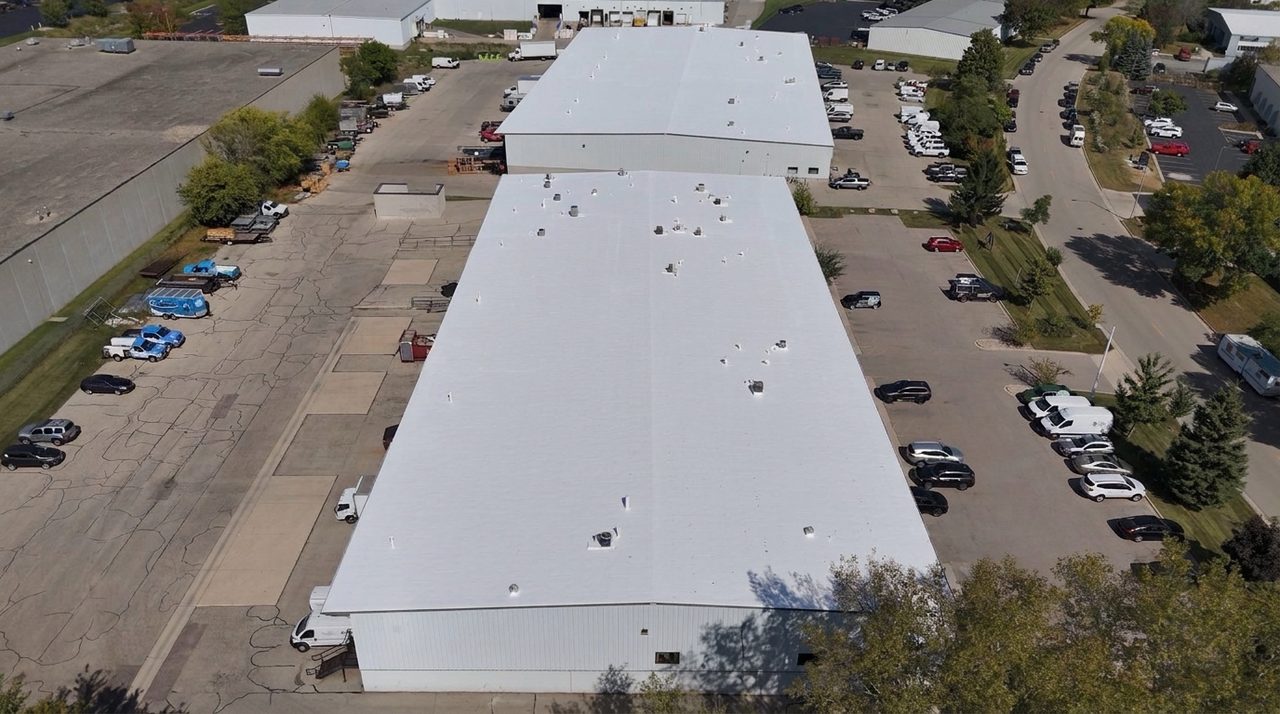
How do you cool your commercial roof system? You cool your commercial roof system by making its surface more reflective. This can be done by applying a specialized roof coating or by choosing reflective roofing materials during installation. Reflective surfaces send more sunlight and heat back into the atmosphere instead of absorbing it into your building.Symptom
You notice your building's air conditioning runs constantly, struggles to keep interior temperatures comfortable, or your utility bills are higher than they should be, especially during hot weather. The roof surface itself might feel extremely hot to the touch.Problem
A dark, traditional commercial roof absorbs a lot of the sun's heat. This heat then transfers into your building, making your HVAC system work much harder to maintain a cool indoor temperature. This constant strain leads to higher energy bills, increased wear and tear on your cooling equipment, and a less comfortable environment for your employees or tenants. Over time, the intense heat can also accelerate the aging of your roof membrane, leading to cracks, leaks, and an earlier need for replacement. Ignoring this heat absorption means throwing money away on energy and shortening your roof's lifespan.Solution
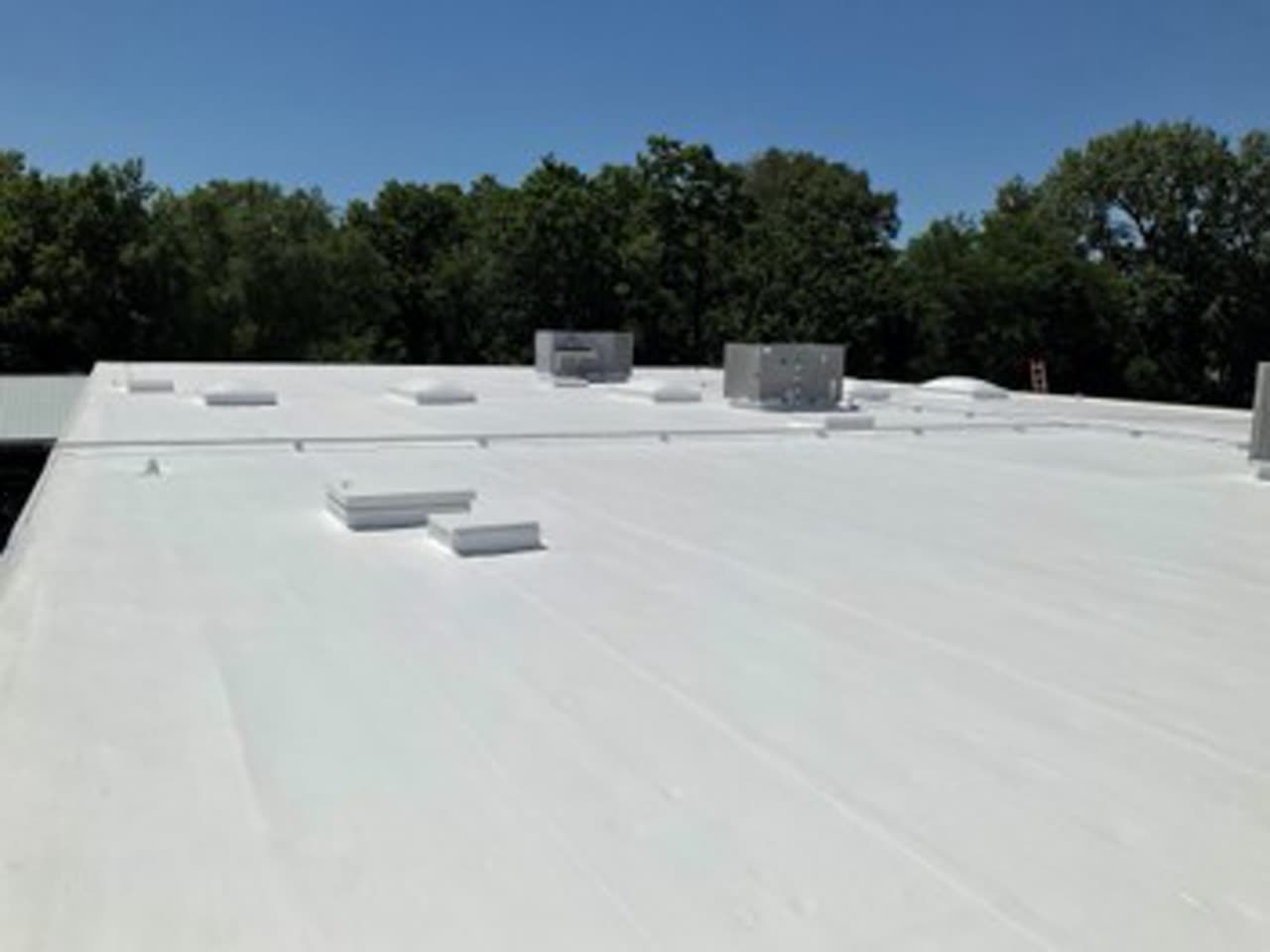
The most effective way to cool your commercial roof is to make its surface reflective. Instead of absorbing heat, a reflective surface bounces sunlight away from the building. This reduces the temperature of the roof surface and, in turn, the temperature inside your building. We achieve this primarily through the application of a commercial roof restoration system, often referred to as a "cool roof" coating. Here's how it generally works for most commercial roofs: 1. **Inspection and Preparation:** First, a contractor installing Conklin systems will thoroughly inspect your roof. We check for any existing leaks, soft spots (which can indicate wet insulation), and overall roof integrity. Any areas with wet insulation must be removed and replaced. The roof deck must be sound and able to support the restoration. If the roof is too far gone with widespread wet insulation or a failed deck, restoration might not be an option, and full replacement may be needed. The roof surface is then cleaned thoroughly to ensure the new coating adheres properly. This often involves power washing and minor repairs to the existing membrane. 2. **Repairs and Reinforcement:** We repair any cracks, blisters, or weak seams in the existing roof. Fabric reinforcement might be embedded into certain areas for added strength, especially around penetrations and parapet walls. 3. **Primer Application (If Needed):** Depending on your existing roof material (such as EPDM, TPO, PVC, modified bitumen, or metal), a specialized primer may be applied to promote adhesion of the top coats. 4. **Base Coat Application:** A base coat is applied to create a uniform, sealed surface. 5. **Reflective Top Coats:** The final step involves applying one or more layers of highly reflective acrylic top coats. These white coatings are designed to reflect the sun's UV rays and heat. Our Conklin roof coatings are known for their high reflectivity and durability. This step effectively transforms a dark, heat-absorbing roof into a cool, energy-saving one. This process allows you to keep your existing roof membrane and avoid the high costs and disruptions of a full tear-off and replacement. It not only cools your building but also extends the life of your current roof and seals it against leaks. This approach works well for metal roofs, flat roofs, and various single-ply membranes like EPDM.Frequently Asked Questions
Does a cooler roof mean lower energy bills?
Yes, a cooler roof typically leads to lower energy bills. By reflecting sunlight and heat, less heat enters your building, reducing the workload on your air conditioning system. This directly translates to savings on your utility costs during warm months.How long does a cool roof coating last?
The lifespan of a cool roof coating system depends on the product used, the quality of installation, and environmental factors. Warranty terms depend on the system, the roof's condition and manufacturer approval; ask the contractor to put them in writing before work starts. Regular maintenance helps maximize their lifespan.Can any commercial roof be made into a cool roof?
Most commercial roofs can benefit from a cool roof system. This includes metal, modified bitumen, EPDM, TPO, and even existing spray foam roofs. However, the condition of the existing roof is crucial. If the roof has widespread wet insulation, structural damage, or is otherwise beyond restoration, a coating system may not be the best solution. An on-site inspection by a contractor installing Conklin systems is needed to determine suitability. If you're tired of high energy bills and an overheated building, it's time to consider a cool roof solution. Our network of contractors installing Conklin systems can inspect your roof and provide an honest assessment of its condition and the best options for your building. Call us at (309) 303-3128 or visit our contact us page to schedule an inspection today.Keep Reading on This Site
Industry Sources
- Cool Roof Rating Council(opens in a new tab)
Third-party reflectance and emittance ratings.
- CRRC Rated Products Directory(opens in a new tab)
Independent ratings for reflective roof products.
- Cool Roof Rating Council. Building Owner Resources(opens in a new tab)
How reflective roof surfaces lower cooling load.
Frequently Asked Questions
What are ways to cool your roofing system?
When our favorite season of the year finally arrives, we are the happiest we can be. However, on an average sunny day, the surface of your black roof can hit up to 50 degrees Fahrenheit hotter than the surrounding temperature.
Why does ways to cool your roofing system matter for commercial buildings?
In these next 10 points, we are going to show you how to cool your roof and lower the bills and stop the boiling temperature inside your home. You should know your budget, architecture, the material of roof and slope.
What should building owners know about ways to cool your roofing system?
The most popular and most used cool roof option is a modified bitumen roof. Modified bitumen fits best to a flat or low sloped roof. Bitumen is, in fact, a membrane which is made of sheets of rubberized or plasticized asphalt.
How does ways to cool your roofing system affect roof performance?
. Single ply membranes are made of vinyl sheets that contain materials which reflect the sun. The principle is similar to the modified bitumen. Sheets have to be rolled onto the roof deck and attached to the base with chemicals, fasteners or ballast.