What To Expect During a Commercial Roof Inspection?
What To Expect During a Commercial Roof Inspection
What happens during a commercial roof inspection? During a commercial roof inspection, a contractor checks the entire roof surface, flashing, drainage systems, and often the roof's underside for damage, wear, and potential issues. The goal is to find problems early so you can fix them before they get worse.You see a drip, a stain, or just haven't looked at your roof in years.
You might notice water stains on your ceiling, a strange smell, or a small leak during a heavy rain. Maybe you haven't had anyone check your roof in a long time, and you're just wondering what condition it's in. These are all signs it's time for a professional to take a look. Ignoring small signs can lead to bigger, more expensive problems down the road.A small issue can turn into a big headache and cost.
If a roof problem isn't caught early, a small crack or seam separation can let in water. This water can then soak into your insulation, rot the roof deck, or cause mold to grow inside your building. Once insulation gets wet, it loses its R-value, meaning it no longer insulates properly, driving up your energy bills. A small leak can quickly become a large, costly repair, sometimes leading to the need for a full roof replacement much sooner than expected. This means lost business, damage to inventory, and expensive fixes that could have been avoided.A thorough inspection finds problems before they grow.
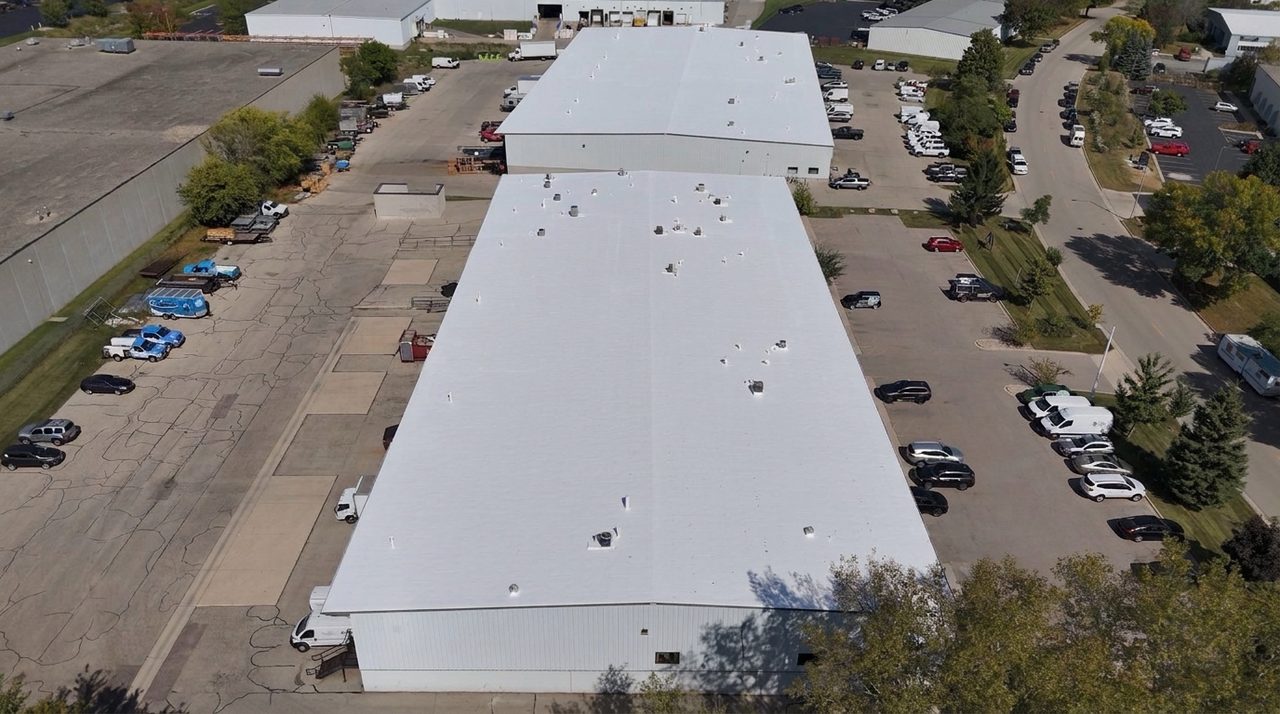
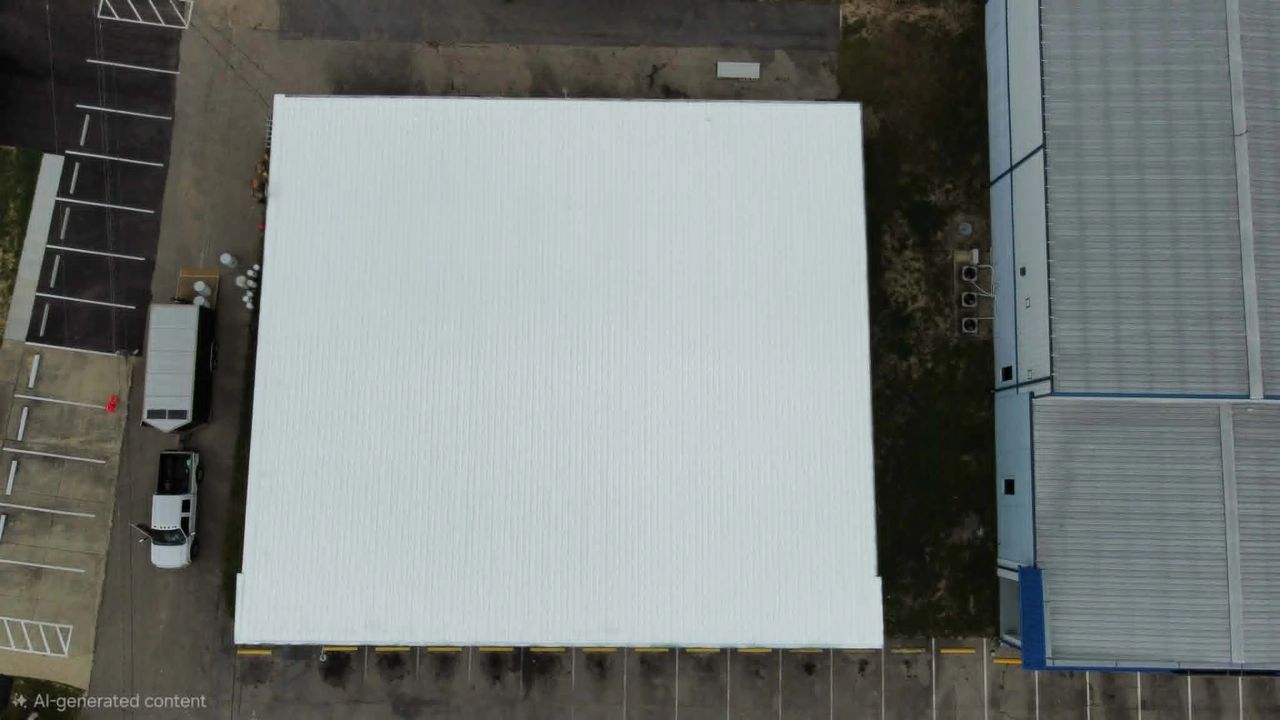
A commercial roof inspection is a careful check of your roof to spot issues before they become major headaches. Here's how a contractor installing Conklin systems typically handles it:- Surface Check: We start by walking the entire roof surface. We look for any obvious damage like cracks, punctures, tears, or worn-out spots in the existing membrane. If you have a metal roof, we'll look for rust, loose fasteners, or failing seams. For flat roofs, we check for standing water (ponding) which can weaken the roof over time.
- Flashing and Penetrations: Next, we inspect all areas where the roof meets a wall, skylight, pipe, or other equipment. These are called penetrations, and the flashing around them is often where leaks start. We look for cracks, gaps, or signs that the sealant is pulling away.
- Drainage System: We check your gutters, downspouts, scuppers, and internal drains to make sure they are clear and working right. Clogged or damaged drainage systems can cause water to back up and sit on the roof, leading to bigger problems.
- Roof Deck and Interior (if possible): If we can access it, we'll check the underside of the roof deck from inside the building. We're looking for water stains, mold, or any signs of structural damage that point to a leak from above. If interior access isn't possible, we might use thermal imaging cameras to find trapped moisture under the roof membrane. This helps us see if insulation is wet without tearing the roof apart.
- Condition of Existing System: We evaluate the overall condition of your current roof system to see if it's a good candidate for restoration. Sometimes, if the roof deck is too rotten, if too much insulation is wet, or if the roof has just failed too much, a restoration system won't be the right fit. We'll be honest with you about what we find and what your options are.
Frequently Asked Questions
Can you find leaks that aren't obvious?
Yes. Often, a leak inside your building shows up in one spot, but the water entered the roof far away from that spot. Our inspectors are trained to trace these paths. We also use tools like thermal cameras, which can detect trapped moisture under the roof membrane that isn't visible from the surface. This helps us find hidden problems and prevent future leaks.How often should I have my commercial roof inspected?
Most roofing experts recommend having your commercial roof inspected at least twice a year: once in the spring after winter weather, and again in the fall before winter hits. You should also get an inspection after any major storm or if you notice any new issues with your building. Regular inspections catch small problems early, saving you money in the long run.What if my roof is too old for a coating system?
During the inspection, we'll determine if your roof is a good candidate for a Conklin coating system. If we find widespread wet insulation, a rotted deck, or the roof is just too far gone, we'll let you know honestly. Our goal is to provide a long-lasting solution, and sometimes that means a coating isn't the right fit. We won't recommend a restoration if we don't believe it will give you the full benefits and lifespan of the system. Need to know the real condition of your commercial roof? Our contractors installing Conklin systems are ready to provide an honest, thorough inspection. Call us at (309) 303-3128 or visit our contact page to schedule your inspection.Keep Reading on This Site
Industry Sources
- National Roofing Contractors Association(opens in a new tab)
Commercial roofing standards and guidance.
- Cool Roof Rating Council. Building Owner Resources(opens in a new tab)
How reflective roof surfaces lower cooling load.
- U.S. EPA. Using Cool Roofs to Reduce Heat Islands(opens in a new tab)
Measured surface-temperature and energy impacts.
Frequently Asked Questions
Why does 1\. a thorough look at your roof’s surface matter?
Commercial roofing contractors start the inspection with a thorough look at your roof’s surface. If you have a single-ply membrane roof, they’ll look for punctures and tears and inspect the seams.
Why does 2\. an inspection of your flashing and sealants matter?
The flashing and sealants that protect your commercial roof’s weakest spots, around edges and penetrations, get a once-over, next. Commercial roof inspection companies check for cracks, gaps, and weakening.
Why does 3\. an examination of your commercial roof’s drainage systems matter?
Proper drainage is critical for all types of roofs, but it becomes more of a challenge for commercial flat and low-sloped roofing systems. That’s why commercial roofing companies pay special attention to your gutters, downspouts, and scuppers.
Why does 4\. an inspection of your roof’s interior matter?
If commercial roof inspection companies have access, they’ll also want to conduct an inspection of your roof’s interior, the roof deck and the area underneath. Your roofing team looks for signs of leaking, mold growth, condensation, and structural damage.