Flat Roof Systems
Understanding Different Flat Roof Systems for Commercial Buildings
What are the common types of flat roof systems used on commercial buildings? Commercial buildings typically use a few common types of flat roof systems, including single-ply membranes like EPDM, TPO, and PVC, built-up roofs (BUR), and modified bitumen roofs. Each type has its own makeup and common issues.What You See When Your Flat Roof Has Problems
You might see water stains on your ceiling, especially after it rains. There could be puddles on the roof that don't dry out. You might also notice cracks, blisters, or tears in the roof material itself. If your energy bills are going up, your old roof could be letting too much heat in or out. These are all signs your flat roof system might be failing.What Happens if You Ignore a Failing Flat Roof
Ignoring these symptoms can lead to bigger, more expensive problems. Small leaks can turn into major water damage, affecting insulation, structural components, and even electrical systems. This can lead to mold growth and unsafe conditions inside your building. Water trapped under the roof membrane can freeze and expand, causing more damage. If you wait too long, your roof might be too far gone for restoration and will need a full tear-off and replacement, which costs a lot more money and causes more disruption.How We Can Restore and Protect Your Flat Roof System
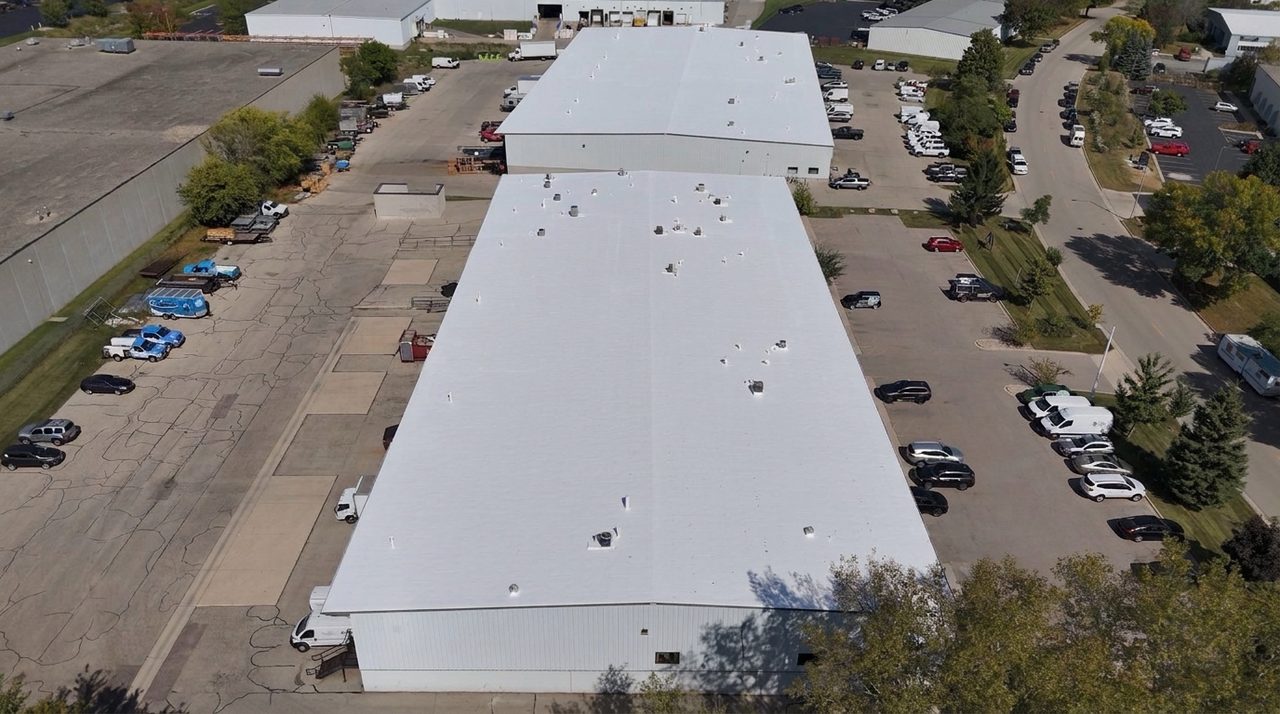
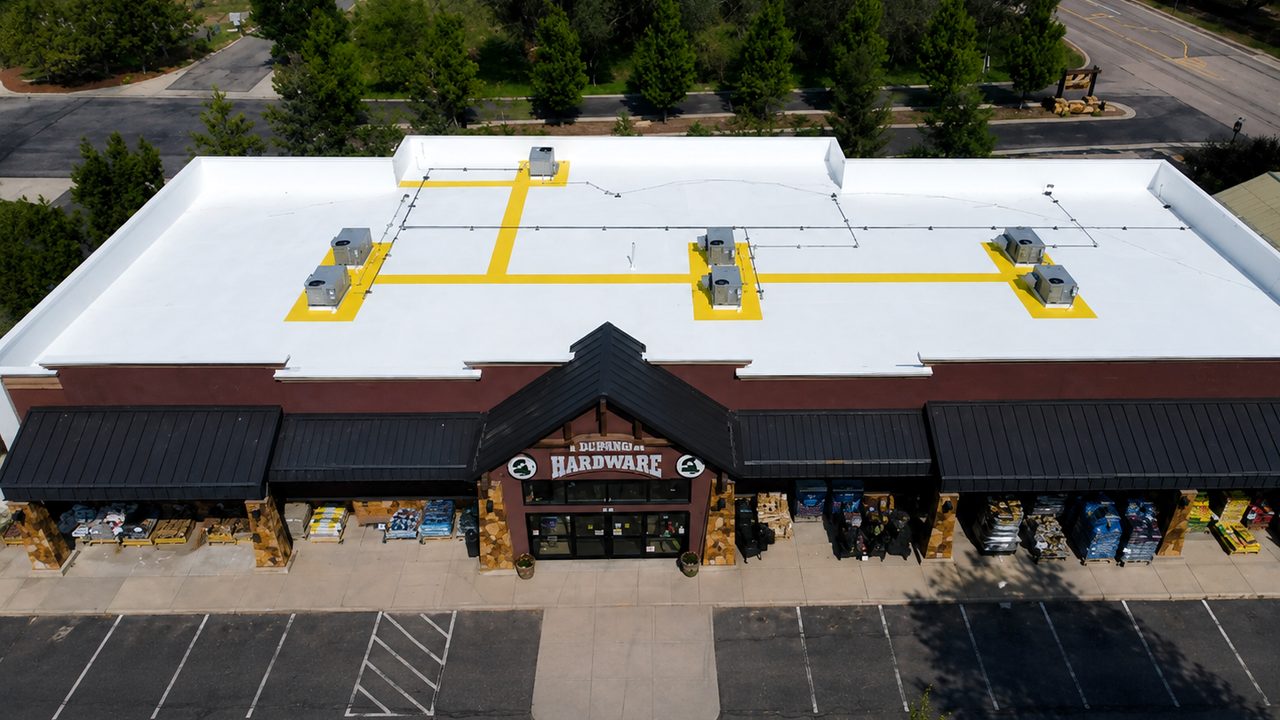
No matter what type of flat roof you have—EPDM, TPO, PVC, BUR, or modified bitumen—a contractor installing Conklin systems can often restore it with a coating system. This usually involves cleaning, repairing, and then applying a new, seamless layer over your existing roof. Here’s how we generally approach it:- Inspection and Assessment: First, a contractor installing Conklin systems will come out to your property. They'll walk your roof, looking for soft spots, damaged areas, and wet insulation. They'll figure out what kind of roof you have and what condition it's in. If the roof deck is failing or too much insulation is wet, a coating might not be the right fit, and we’ll tell you that upfront.
- Repairs and Preparation: We start by cleaning the entire roof surface to make sure the coatings stick properly. We'll repair any cracks, holes, or weak seams. Any wet insulation will be cut out and replaced with dry material. This is a critical step to ensure the new coating performs well.
- Priming (if needed): Depending on your existing roof type and its condition, we might apply a primer. This helps the base coat bond securely to your old roof.
- Base Coat Application: We then apply the first layer of our acrylic roof coating system. This creates a strong, flexible foundation over your entire roof.
- Fabric Reinforcement (for seams and critical areas): For many systems, especially over seams and around penetrations, we embed a tough, flexible fabric into the wet base coat. This adds extra strength and helps prevent future leaks.
- Top Coat Application: Finally, we apply one or two more layers of the highly reflective top coat. This is where the roof gets its seamless, waterproof, and energy-saving properties. Our Conklin roof coatings are designed to expand and contract with your building, protecting against the elements for many years.
Frequently Asked Questions
What types of flat roofs can you restore with a coating?
We can restore most common commercial flat roof types, including EPDM, TPO, PVC, Built-Up Roof (BUR), and Modified Bitumen systems. The specific approach varies depending on the existing roof material and its condition.How long does a coated flat roof last?
Service life depends on the roof's condition, the system used and how well it is maintained; ask the contractor to put the expected service life in writing. Conklin offers material warranties on their products that extend for the length of the system. This can often be renewed with additional coating layers later on.Is a roof coating system more affordable than a full replacement?
In most cases, yes. A commercial roof coating system typically costs less than half the price of a full roof tear-off and replacement. It also avoids the disruption and waste of sending your old roof to a landfill. It's a key part of commercial roof restoration.If your commercial flat roof is leaking or showing signs of wear, don't wait until it's too late. Contact a contractor installing Conklin systems today for an inspection and a free estimate. We’ll help you understand your options and find the best solution for your building. Call us at (309) 303-3128 or visit our contact page to get started.
Keep Reading on This Site
Industry Sources
- National Roofing Contractors Association(opens in a new tab)
Low-slope roofing installation standards.
- Cool Roof Rating Council. Building Owner Resources(opens in a new tab)
How reflective roof surfaces lower cooling load.
- U.S. EPA. Using Cool Roofs to Reduce Heat Islands(opens in a new tab)
Measured surface-temperature and energy impacts.
Frequently Asked Questions
What is single-ply membranes?
With single-ply membrane systems, there are three most common types that are classified into two membrane categories according to the process of manufacturing: thermoset and thermoplastic. EPDM is a thermoset material, which means that when it is heated, it solidifies irreversibly.
What is bur?
At the moment, BUR or built-up roofing is the most common type of flat roof systems used. It is made up of layers of bitumen and reinforcing fabrics that alternate to create the finished membrane. Here bitumen is usually coal tar, asphalt, or cold-applied adhesive.
What is modified bitumen?
Similarly to the BUR membranes, these modified bitumen roof systems also consist of several layers. They are commonly installed as two-ply systems, and the layers are usually completely adhered. Surfacing in these systems can be aggregate, mineral, metal foil-laminate or liquid applied surfacing.
Why does best choices for flat roofs matter?
Professionals at White Roofing Systems have always preferred the quality of Conklin roof coating systems. These roof coating systems are created to tackle the common problems of flat roofs, such as constant leaks and the deterioration that the outside elements cause.