How Much Does a New Commercial Roof Cost?
How much does a new commercial roof cost?
There is no honest per-square-foot number anyone can give you over the phone. The price of a commercial roof depends on the size and shape of the roof, what is already on the deck, how many penetrations it has, how the crew gets material up there, and whether the building has to keep operating during the work. Two buildings on the same street can be thousands of dollars apart.
What we can tell you is what moves the number, and how to tell whether you need a full replacement at all. Most of the buildings we look at do not.
The symptom: you got a bid and it made no sense
Owners usually call after a bid lands on the desk and the number feels arbitrary. One contractor quotes a tear-off. Another quotes a coating. A third quotes something in the middle. Nobody explains why, so the decision turns into a guess between three strangers.
That is a bidding problem, not a roofing problem. When bids are not scoped the same way, comparing them is meaningless.
The problem: replacement gets sold before it gets justified
Tear-off is the default recommendation in a lot of the industry because it is the biggest ticket and the easiest to sell. It is also disruptive. You pay for demolition, disposal, new material, and the interruption to whatever happens inside the building.
Replacement is the right call when the deck is wet or structurally compromised, when the insulation is saturated, or when the existing membrane has failed past the point of repair. If none of that is true, you may be paying for a new roof to solve a problem an existing roof can still handle.
What actually drives your number
- Square footage and roof geometry. A simple rectangle costs less per unit than a roof cut up by walls, curbs, and level changes.
- What is already up there. Metal, EPDM, TPO, modified bitumen, and spray foam each require different prep. Prep is labor, and labor is most of the bill.
- Deck and insulation condition. Wet insulation has to come out. That single finding can double a project.
- Penetrations. HVAC curbs, drains, vents, and skylights are where roofs leak and where the detail work adds up.
- Access. A roof a crane can reach costs less than one that requires hoisting through a courtyard.
- Occupancy. Schools, clinics, and food plants often need off-hours work, which changes the schedule and the price.
The solution: get the roof diagnosed before you price it
The right sequence is inspection first, then scope, then price. A proper commercial roof inspection tells you whether the deck is dry, where water is entering, and how much service life the existing system still has. Only then does a bid mean anything.
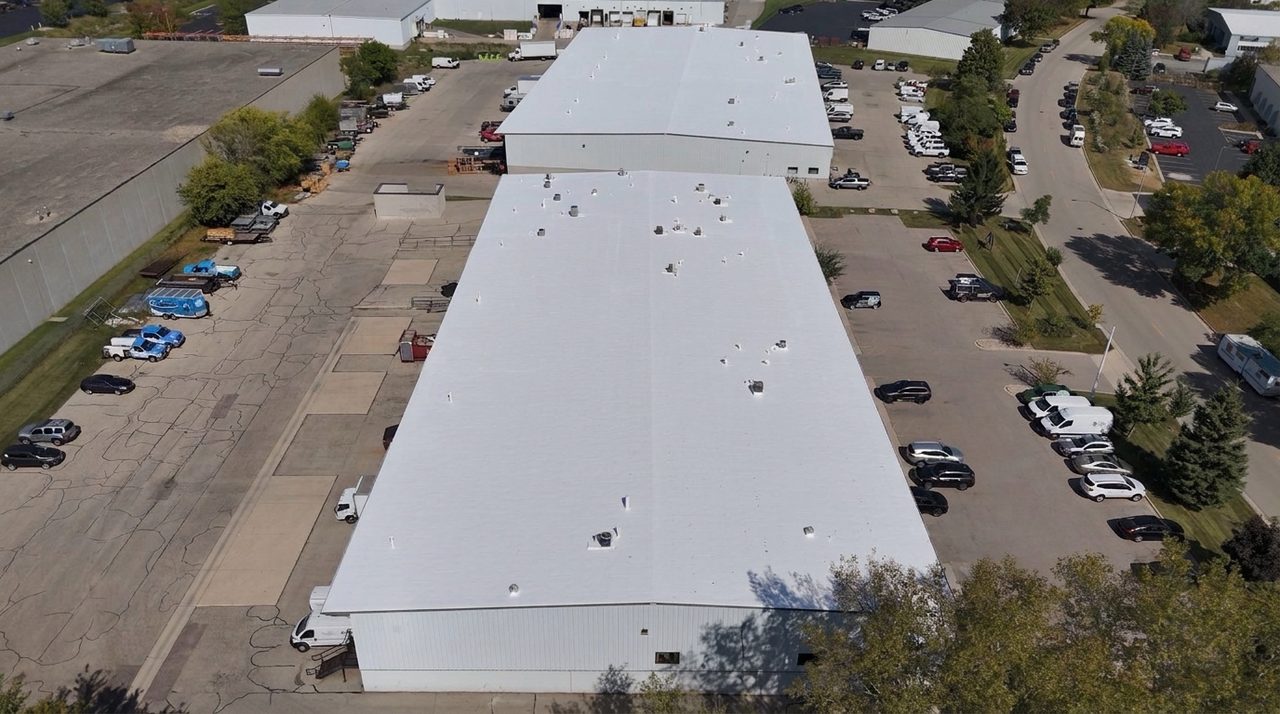
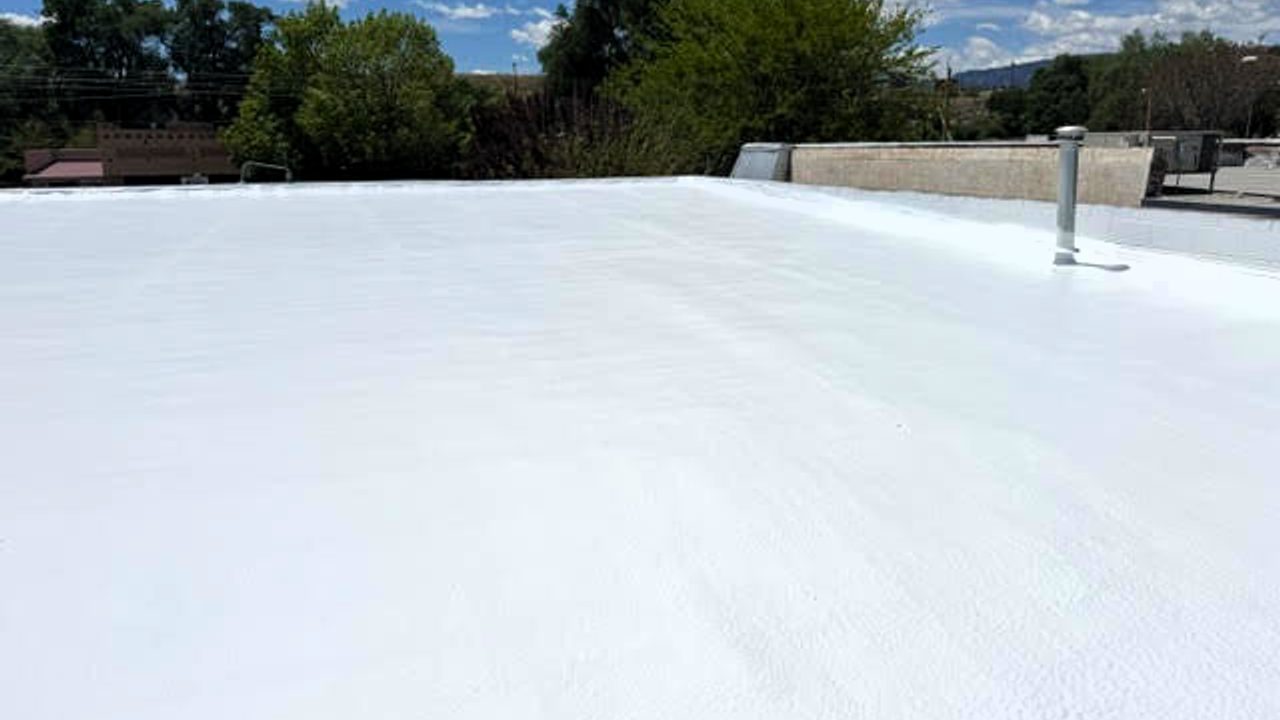
If the deck is sound, a Conklin fluid-applied restoration is usually the cheaper path. The existing roof stays in place, seams and penetrations get sealed, and a reflective membrane goes over the top. If the roof qualifies, there is no tear-off, no dumpster, and no shutdown. Restoration is also generally treated as maintenance rather than a capital asset, which matters at tax time. Talk to your accountant, and read our notes on the tax treatment of roof coatings.
If the deck is wet, none of that applies. Coating a saturated roof traps the water and buys you nothing. That is why the inspection comes first, every time.
Talk to a contractor installing Conklin systems near you
No article can tell you what your roof needs. Cost follows condition, and condition is something you have to see. A contractor has to walk it, check the seams and penetrations, and look at the deck before anyone gives you a real answer.
White Roofing Systems coordinates commercial roofing crews installing Conklin systems across the country. Call (309) 303-3128 or request a free roof inspection and we will route you to the contractor who covers your city. You can also browse the contractor directory by city and state or look through real before-and-after projects.
Keep Reading on This Site
Industry Sources
- National Roofing Contractors Association(opens in a new tab)
Commercial roofing standards and guidance.
- Cool Roof Rating Council. Building Owner Resources(opens in a new tab)
How reflective roof surfaces lower cooling load.
- U.S. EPA. Using Cool Roofs to Reduce Heat Islands(opens in a new tab)
Measured surface-temperature and energy impacts.
Frequently Asked Questions
What is roofing material?
The roofing material you opt for is one of the factors influencing the cost of your commercial roof installation. Common choices include metal roofing, TPO, EPDM, and foam spray roofing. The cost of new roof coatings or single-ply roofing materials per square foot varies from one material to the next.
Why does the size and complexity of your roof matter?
Besides the size of your commercial roof, its complexity also impacts the expenses involved in commercial roof installation. Skylights, chimneys, and other penetrations make installing your commercial roof more complicated, ultimately increasing the timeline for the project and raising the price.
What is ease of access?
Another often overlooked factor that impacts the new roof price is the ease with which your team of commercial roofers can access the roof. Very tall buildings, or those with limited entry points, require commercial roofers to bring specialized equipment along while installing the roof.
Why does the roofing contractor you choose matter?
Labor costs can vary widely, something you’ll discover as you look for reputable roofing contractors in your area. Some businesses may be tempted to work with contractors with lower bids, but it’s prudent to keep in mind that skill, training, and experience are indispensable.