Roof Coating Benefits
Roof Coating Benefits
What are the benefits of roof coating?
Roof coating adds a seamless, protective layer to your existing roof. This layer helps stop leaks, reflects sunlight to lower your cooling bills, and extends the life of your roof without the cost and disruption of a full tear-off.
You’re seeing signs of trouble on your roof.
Maybe you’ve got leaks showing up inside your building, or your utility bills are getting higher, especially in the summer. You might see cracks, blisters, or weak spots on your roof surface. Sometimes, the AC units are running constantly, but it still feels hot inside, which points to heat coming through the roof.
Ignoring these issues costs you money.
When your roof is failing, it's not just a small problem; it's a big drain on your wallet. Leaks can damage your inventory, equipment, or even the structure of your building. A dark, unprotected roof absorbs a lot of sun, sending heat right into your building. On a hot, sunny day, a black roof can hit 180 degrees Fahrenheit or more. This makes your air conditioning work overtime, driving up your energy bills. This heat can also cause your roof materials to expand and contract too much, leading to more cracks and splits, accelerating the roof's failure. Eventually, ignoring these signs means you'll face a much more expensive full roof replacement.
Restore your roof with a Conklin coating system.
Instead of tearing off your old roof, a contractor installing Conklin systems can restore it using a Conklin roof coating system. This approach stops the leaks, lowers your energy use, and extends your roof's life.
Here’s how it works, generally:
- Inspection and Repair: First, a contractor will do a thorough inspection of your roof. They'll look for any wet insulation, which needs to be removed and replaced. They'll also check for any major structural damage to the roof deck itself. If the roof deck is failing, or if a large percentage of the insulation is wet, a coating might not be the right fit. But if the existing roof is mostly sound, they'll make all necessary repairs, sealing up any cracks, seams, and penetrations to ensure a solid, watertight base.
- Clean the Surface: The roof surface needs to be completely clean and dry for the coating to stick properly. This usually involves power washing and sometimes a primer, depending on the existing roof material.
- Apply Base Coat: The first layer of coating is applied. This creates a strong bond with your existing roof surface and helps seal any remaining tiny cracks or pores.
- Apply Top Coats: Multiple layers of a reflective, white acrylic top coat are then applied. These layers create a seamless, durable membrane across your entire roof. The white surface reflects a lot of the sun's UV rays and heat, which keeps your roof and building much cooler.
- Final Inspection: Once the coating is fully cured, the contractor will do a final check to make sure everything is sealed and applied correctly.
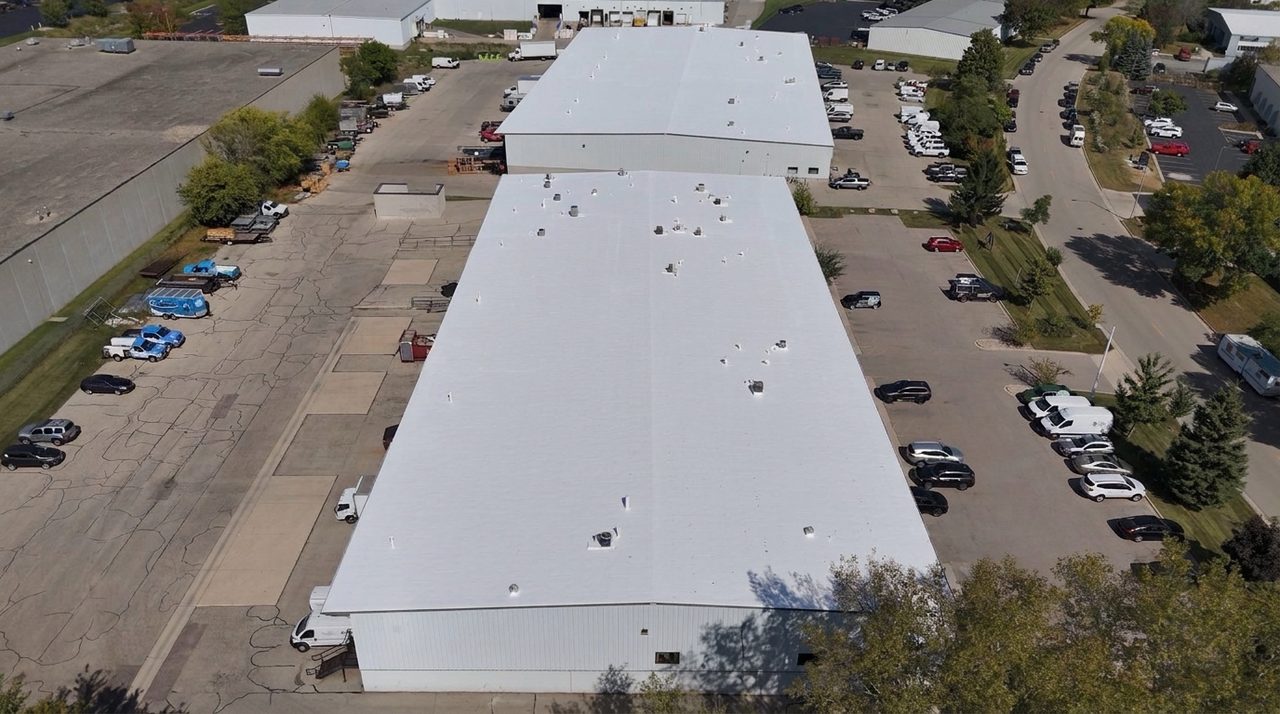
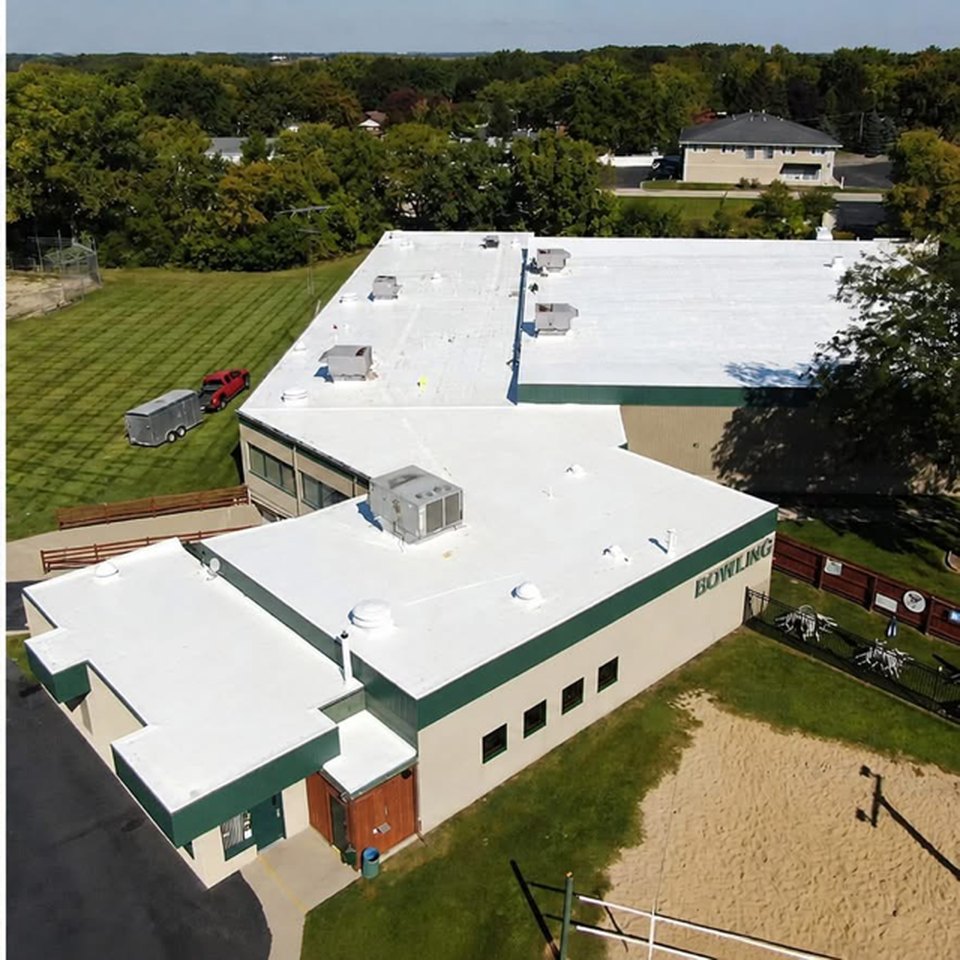
The result is a bright, white, seamless roof that reflects sunlight, keeps water out, and protects your building for years. It avoids the mess and expense of a tear-off and is a good option for many types of commercial roofs, like flat roofs, metal roofs, and EPDM roofs.
Frequently Asked Questions
Can a roof coating really lower my energy bills?
Yes. The white surface of an acrylic roof coating reflects a significant amount of the sun's heat away from your building. This means your air conditioning system doesn't have to work as hard to keep the inside cool, which can lead to noticeable savings on your cooling costs, especially in warmer climates.
How long does a roof coating last?
The lifespan of a roof coating depends on the specific system used, the quality of installation, and local weather conditions. Service life depends on the roof's condition, the system used and how well it is maintained; ask the contractor to put the expected service life in writing. Regular maintenance can help it last even longer.
Is my roof a good candidate for coating?
Most commercial roofs are good candidates, but not all. The biggest factors are the condition of your existing roof deck and whether the insulation is dry. If your roof deck is rotting or failing, or if a large portion of your insulation is soaked, a coating might not be the right fix. An on-site inspection by a contractor installing Conklin systems is the best way to know for sure. They can tell you if a commercial roof restoration system is right for your building.
Ready to see if a Conklin roof coating is right for your building? Get in touch with a contractor installing Conklin systems today. Call us at (309) 303-3128 or visit our contact page to schedule an on-site inspection.
Keep Reading on This Site
Industry Sources
- Cool Roof Rating Council(opens in a new tab)
Third-party reflectance and emittance ratings.
- Cool Roof Rating Council. Building Owner Resources(opens in a new tab)
How reflective roof surfaces lower cooling load.
- U.S. EPA. Using Cool Roofs to Reduce Heat Islands(opens in a new tab)
Measured surface-temperature and energy impacts.
Frequently Asked Questions
What are roof coating benefits?
Roof coatings can reduce heat energy costs and increase UV and
Why does roof coating benefits matter for commercial buildings?
Rooftop temperatures can have a decided role in a building’s cooling needs. On a sunny 90-degree day, temperatures on a black roof can reach 180 degrees as the roof surface absorbs solar energy and converts it to heat.
What should building owners know about roof coating benefits?
The lower a coating’s solar reflectance index, the hotter the roof coating will get in the sun. The scale is zero to 100 percent, with 100 meaning the coating reflects all the solar energy from the surface.
How does roof coating benefits affect roof performance?
Thermal emittance of less than one means the coating tested emits at a lower rate. Acceptable solar reflectance and thermal emittance levels vary depending on several factors, such as surface material and age.