What Does TPO Stand For in TPO Roofing?
What Does TPO Stand For in TPO Roofing?
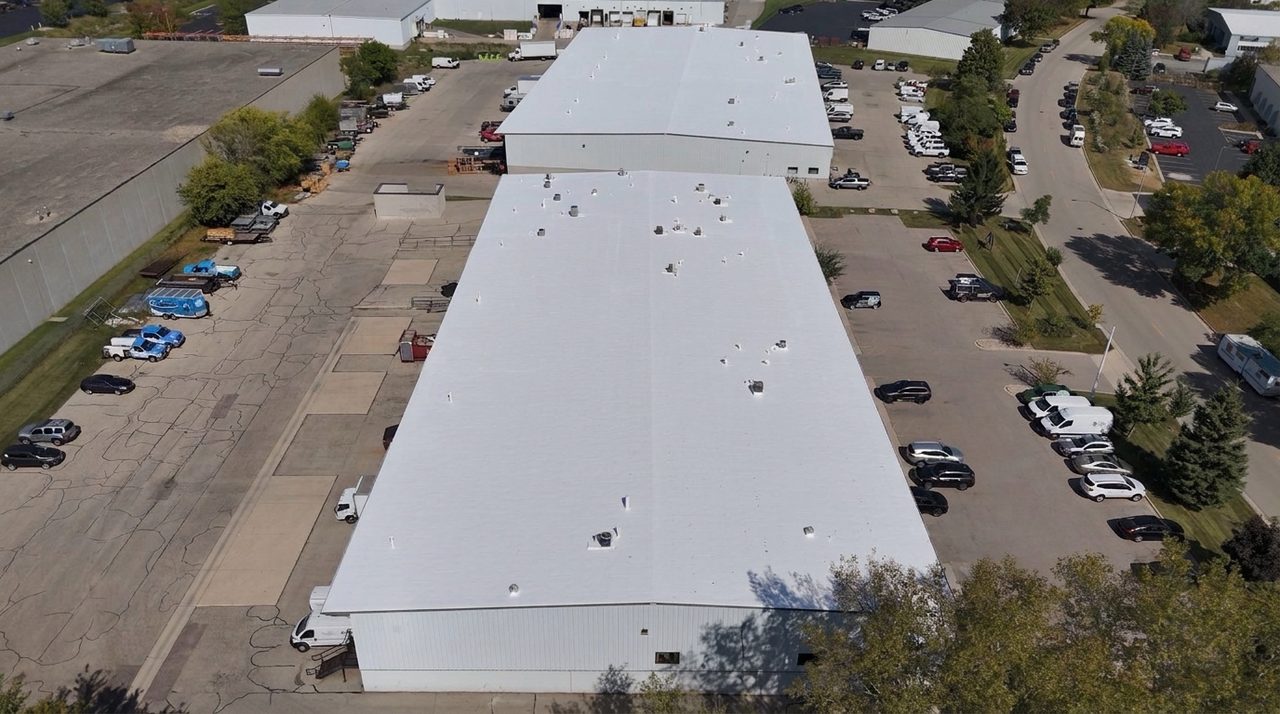
You're asking: What does TPO stand for in TPO roofing? TPO stands for Thermoplastic Polyolefin. It's a type of single-ply roofing membrane often used on commercial buildings. This material is known for its durability and reflective surface, which helps with energy efficiency.Your TPO roof is showing wear, looking dull, or costing more in energy bills.
You might notice the white surface of your TPO roof getting dirty or discolored. You might also see seams pulling apart, small cracks, or soft spots developing. Over time, the material can become brittle, especially in areas with a lot of sun exposure. If your cooling costs are climbing, your roof might not be reflecting as much heat as it used to.Wear and tear on TPO leads to higher costs and potential leaks.
When a TPO roof starts to fail, its reflective properties decrease, meaning more heat gets into your building, and your air conditioning has to work harder. This leads to higher utility bills. More seriously, worn-out TPO membranes can develop cracks or openings at the seams, creating entry points for water. Once water gets under the membrane, it can soak the insulation and even damage the roof deck. Wet insulation loses its R-value, making it useless, and wet roof decks can lead to structural problems, mold, and costly interior damage. Ignoring these signs means you'll eventually face an expensive full roof replacement instead of a more affordable restoration.Restore your TPO roof with a Conklin acrylic coating system.
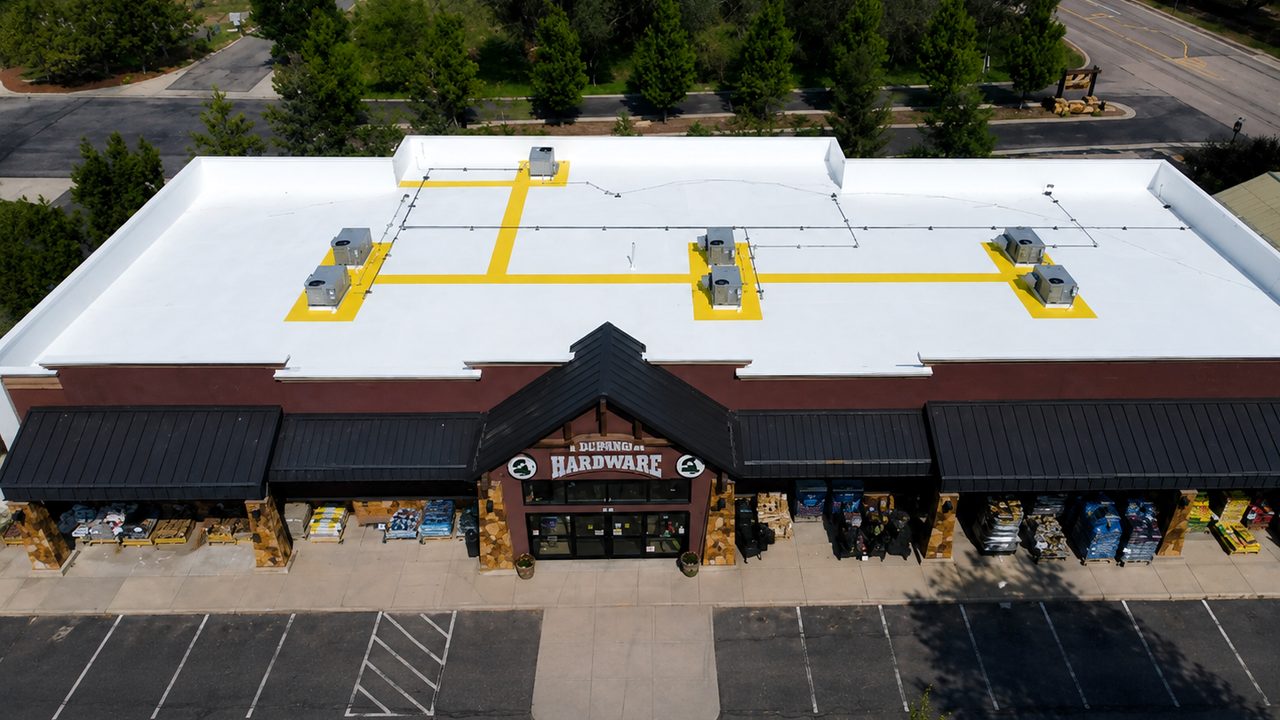
We can often restore your TPO roof without a full tear-off, saving you money and disruption. Our process involves cleaning, repairing, and then coating the existing TPO membrane with a seamless, reflective acrylic system. Here's how we typically do it: 1. **Inspection and Repair:** First, a contractor installing Conklin systems will inspect your TPO roof thoroughly. We look for any areas where the membrane is damaged, has pulled away from the seams, or has punctures. We'll identify any wet insulation using infrared technology or core samples. If insulation is wet or the deck is too damaged, a coating system isn't the right answer, and a replacement might be needed. If it's a good candidate, we'll fix all existing issues, including repairing punctures, re-adhering loose seams, and replacing any wet or damaged sections of insulation. 2. **Cleaning:** The entire roof surface is power-washed to remove dirt, debris, and any contaminants. A clean surface is crucial for the coating to bond properly. 3. **Primer Application (if needed):** Depending on the condition of the TPO and the specific Conklin system being used, a primer might be applied to ensure excellent adhesion of the top coat. 4. **Seam Reinforcement:** Even if the seams look good, we often reinforce them with a flexible fabric embedded in an acrylic base coat. This adds an extra layer of protection where TPO roofs are most vulnerable. 5. **Acrylic Top Coats:** We then apply one or more layers of a highly reflective, durable acrylic top coat. This creates a seamless, waterproof barrier that protects the TPO membrane from UV rays, harsh weather, and general wear. The bright white finish reflects sunlight, significantly lowering roof temperatures and cooling costs. Whether restoration costs less than replacement depends on the roof's condition, which an on-site inspection confirms. It also helps your building become more energy-efficient, lowering your operating costs. We specialize in these types of commercial roof restorations.Frequently Asked Questions
What are the main benefits of a TPO roof?
TPO roofs are popular for commercial buildings because they are generally durable, resistant to tears and punctures, and often have a white, reflective surface that helps reduce cooling costs. They are also relatively lightweight and come in wide sheets, which can make installation quicker.How long does a TPO roof typically last?
A new TPO roof can last 15 to 20 years, depending on the thickness of the membrane, proper installation, and local weather conditions. However, constant exposure to UV rays and temperature changes can cause it to degrade over time, leading to cracking or seam failures. Applying a Conklin coating system can significantly extend its lifespan.Can any TPO roof be coated?
Most TPO roofs that are structurally sound and don't have widespread wet insulation can be coated. A contractor installing Conklin systems will perform a thorough inspection to determine if your specific roof is a good candidate for restoration. If the roof deck is compromised or a large percentage of the insulation is wet, a coating might not be the best solution. If your TPO roof is showing signs of age or you want to improve its performance, reach out to us. Our contractors installing Conklin systems can provide an honest assessment and explain your options. Call us at (309) 303-3128 or visit our contact page to schedule a free inspection.Keep Reading on This Site
Industry Sources
- National Roofing Contractors Association(opens in a new tab)
Low-slope roofing installation standards.
- Cool Roof Rating Council. Building Owner Resources(opens in a new tab)
How reflective roof surfaces lower cooling load.
- U.S. EPA. Using Cool Roofs to Reduce Heat Islands(opens in a new tab)
Measured surface-temperature and energy impacts.
Frequently Asked Questions
What Does TPO Stand For in TPO Roofing?
So, what does TPO stand for? TPO stands for Thermoplastic Polyolefin, a thermoplastic material known for its energy efficiency, as it reflects sunlight and reduces heat absorption. This material combines the benefits of EPDM and PVC and consists of a layer of synthetic materials combined with a reinforcing material.
What Is TPO Roofing, and Where Do We Use It?
TPO roofing is a single-ply system, mostly used in low-slope commercial roofing systems that cover a large area. Due to its many advantages, it has become quite popular in recent years, especially for commercial and industrial roofing projects.
What are the benefits of the tpo roof?
TPO roofing material contains many advantages that highlight it as an extremely high-quality and rewarding material, including durability, energy efficiency, minimal maintenance, cost-effectiveness, and smooth installation. Let’s explain each value a little bit more.
How long does what does tpo stand for in tpo roofing? last?
TPO roofing membranes are known for their outstanding durability, and with proper installation and maintenance, TPO roofs can last several decades, providing long-term protection for commercial and industrial buildings.