Common Metal Roof Problems and Solutions
Common Metal Roof Problems and Solutions
What are the most common problems with commercial metal roofs and how can they be fixed? Commercial metal roofs can face issues like leaks at seams or fasteners, rust, and punctures. Most of these problems can be fixed by regular maintenance and, for aging roofs, applying a Conklin coating system designed for metal.Symptom
You see water stains inside your building, dripping from the ceiling, or wet spots on the floor. You might also notice rust spots on the roof panels, areas where the paint is peeling, or panels that look wavy or bent. Sometimes, you might just feel like your heating and cooling bills are too high, or that your roof looks old and worn out.Problem
These symptoms point to real problems. Leaks, even small ones, can damage insulation, electrical systems, and interior finishes. Rust weakens the metal, leading to holes and further leaks. Wavy panels (called "oil canning") can look bad and might suggest installation issues that could lead to bigger problems down the road. If the roof is leaking or not reflecting heat well, your energy costs will go up. Ignoring these signs means water damage will spread, the roof will deteriorate faster, and you'll eventually face a much more expensive full roof replacement.Solution
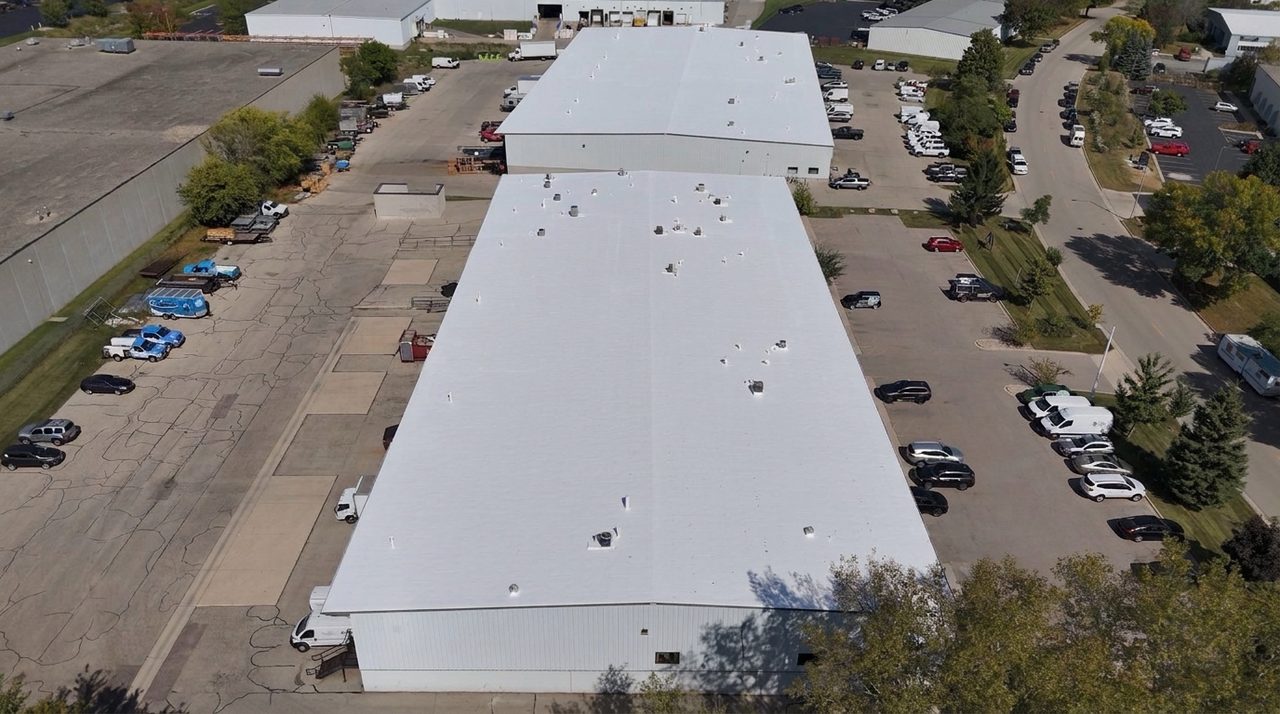
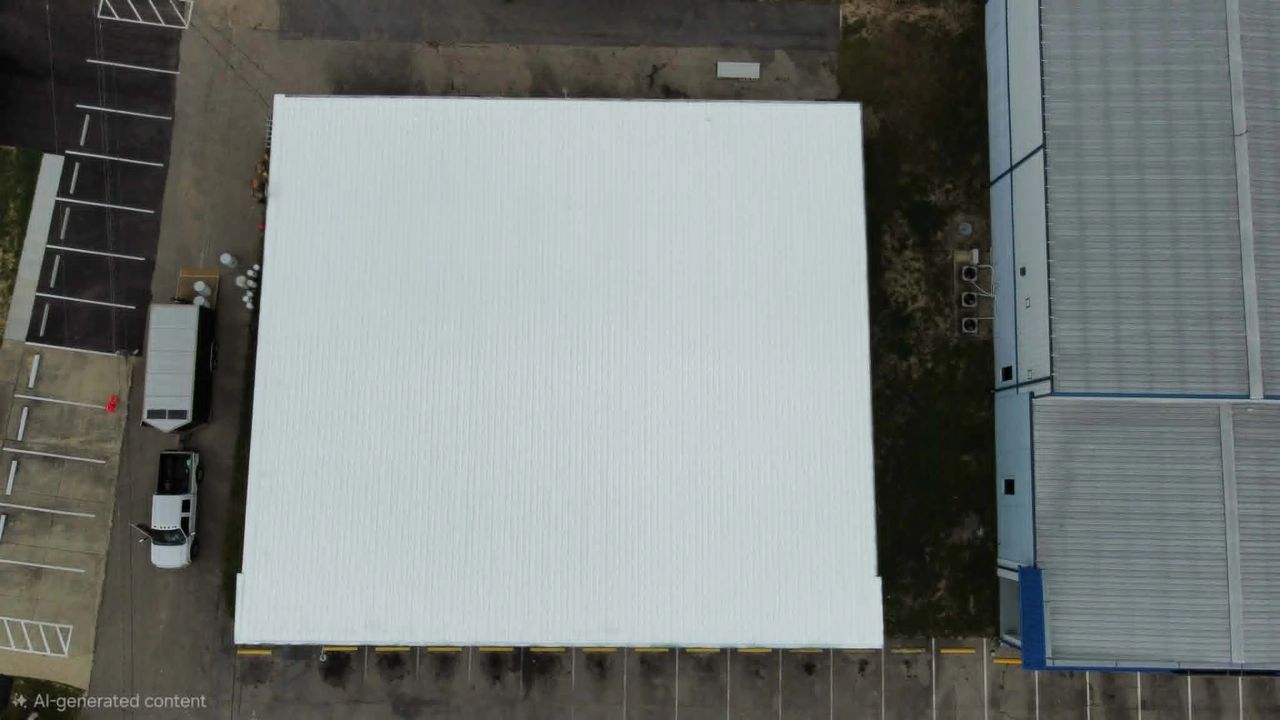
Many commercial metal roof problems can be fixed without tearing off the entire roof. The solution usually involves a thorough inspection to find all problem areas, followed by cleaning, repairing, and then applying a protective coating system. Here’s how a contractor installing Conklin systems typically approaches it: 1. **Inspection:** First, we do a detailed inspection of your roof. We look for all leaks, rust spots, loose fasteners, damaged panels, and worn-out seams. We also check the condition of the existing metal and insulation. This helps us figure out exactly what needs to be done. If insulation is wet in too many places, or the metal deck is too far gone, a coating might not be the right fit, and we’ll tell you that honestly. 2. **Cleaning:** The roof surface is power washed to remove dirt, rust, loose paint, and debris. This step is crucial for the new coating to stick properly. 3. **Rust Treatment & Repairs:** Any active rust is treated and sealed. We tighten loose fasteners or replace them if they are stripped. Damaged panels are repaired or, in some cases, replaced. 4. **Seam Reinforcement:** Metal roofs often leak at the seams. We apply a fabric reinforcement embedded in a base coat over all seams, penetrations, and fasteners. This creates a strong, watertight seal at the most vulnerable points. 5. **Coating Application:** Once repairs are done and seams are sealed, we apply one or more layers of a highly reflective acrylic coating across the entire roof surface. This coating creates a seamless, waterproof membrane that protects the metal from future rust, leaks, and UV damage. The white color reflects sunlight, which can significantly lower your building's cooling costs. This process restores your roof, extends its life, and makes it more energy-efficient, often for much less than the cost of a full replacement. It’s also less disruptive, as your business can usually continue operating during the restoration. Check out our metal roof coating page for more details.Frequently Asked Questions
Is a metal roof coating really effective for leaks and rust?
Yes. A properly applied Conklin metal roof coating system creates a seamless, watertight barrier over your existing metal roof. It seals up all the old leak points like seams and fasteners and stops existing rust from spreading while preventing new rust.How long does a metal roof coating last?
Warranty terms depend on the system, the roof's condition and manufacturer approval; ask the contractor to put them in writing before work starts. Regular maintenance can help it last even longer.What if my metal roof is really old or has severe damage?
In some cases, if the metal panels are too corroded, the underlying deck is compromised, or too much insulation is wet, a coating might not be the best solution. We will inspect your roof and give you an honest assessment. If a restoration isn't viable, we'll explain why and help you understand your options. You can see examples of our work in our project gallery. If you're noticing problems with your commercial metal roof, don't wait. Catching issues early can save you a lot of money and hassle. Our contractors installing Conklin systems are ready to inspect your roof and provide an honest assessment of its condition and the best solutions. Call us at (309) 303-3128 or visit our contact us page to schedule a free, no-obligation roof inspection. We serve building owners and facility managers across the U.S.Keep Reading on This Site
Industry Sources
- Metal Construction Association(opens in a new tab)
Metal roof panel and fastener standards.
- Cool Roof Rating Council. Building Owner Resources(opens in a new tab)
How reflective roof surfaces lower cooling load.
- U.S. EPA. Using Cool Roofs to Reduce Heat Islands(opens in a new tab)
Measured surface-temperature and energy impacts.
Frequently Asked Questions
What is 1\. metal roof leaks?
Commercial metal roofing is vulnerable to leaks, not just if it isn’t installed by a professional metal roofing company, but also as seams, sealants, and fasteners wear out over time. In snowy climates, ice dams are another common cause of leaks.
What is solution?
The solution starts at the beginning, with a quality installation. Research commercial roofing companies before you decide which is experienced enough for the all-important job of installing your commercial metal roofing. If you already have a metal roof, commit to regular roof inspections.
What is 2\. oil canning?
Excessively-stressed metal roofing panels can develop “waving” that risks causing further damage and is also unsightly. Although the exact culprit varies, human error during the roof installation process is almost always the root cause.
What is 3\. rust?
Corrosion is another common issue any commercial roofing contractor who repairs commercial metal roofing will come across. Of course, most types of metal can rust, but corrosion only occurs in specific circumstances.